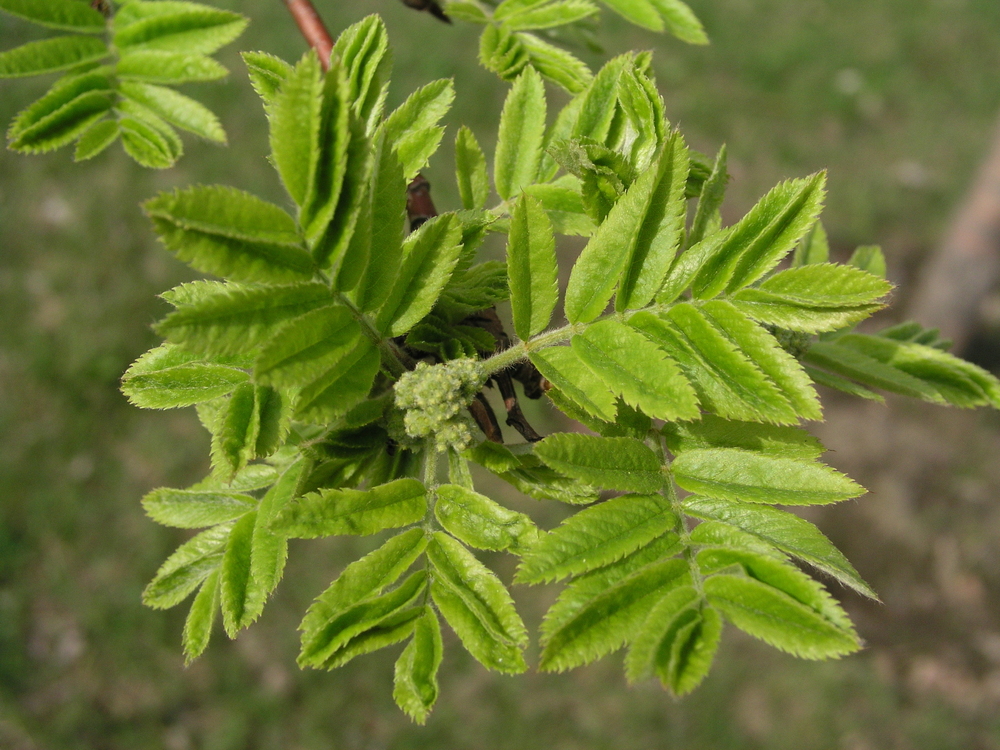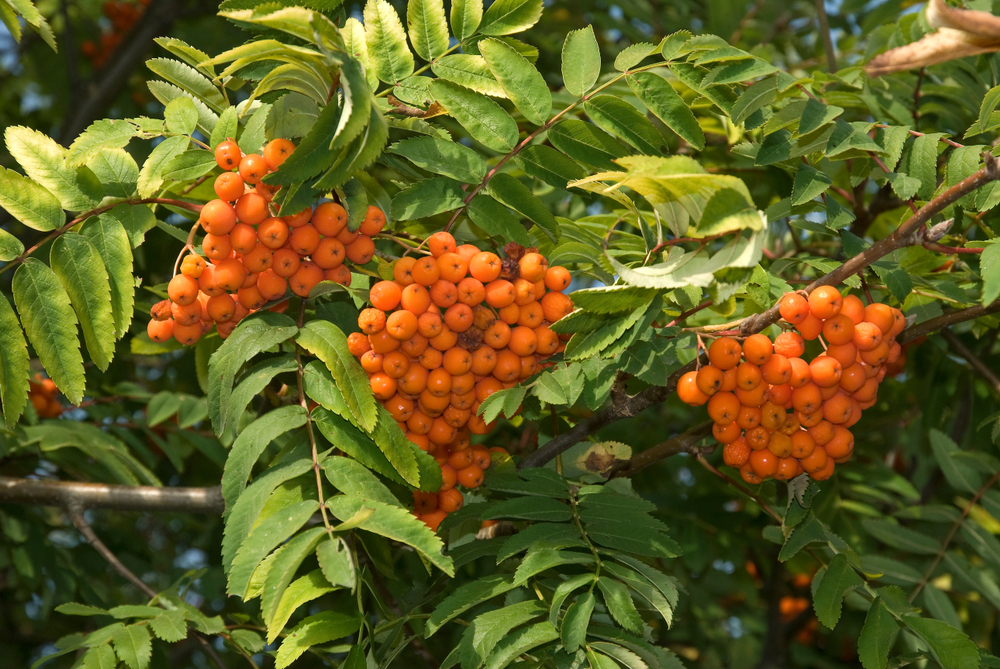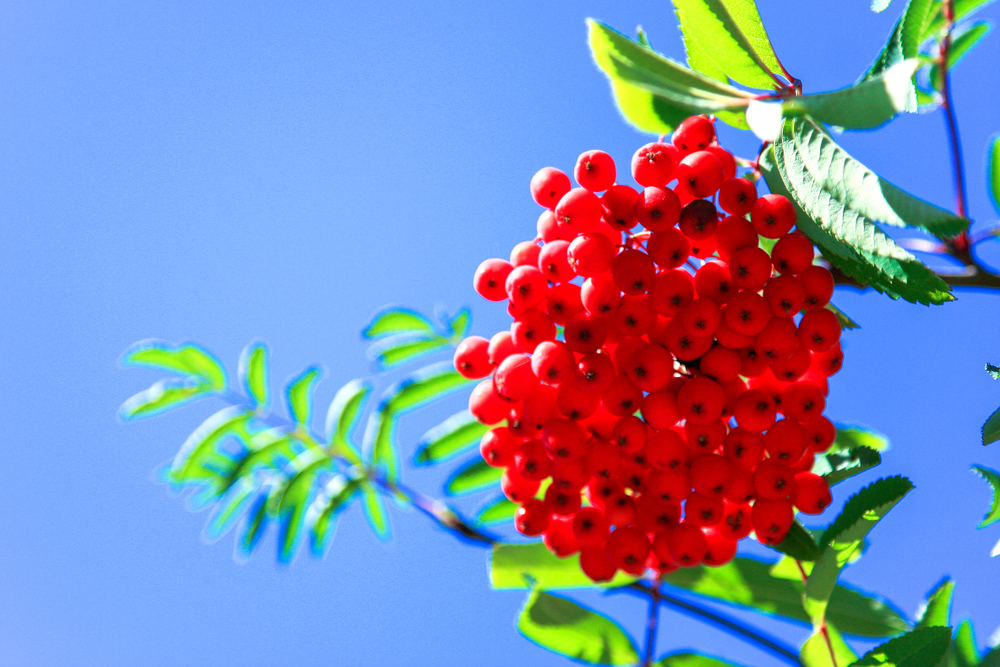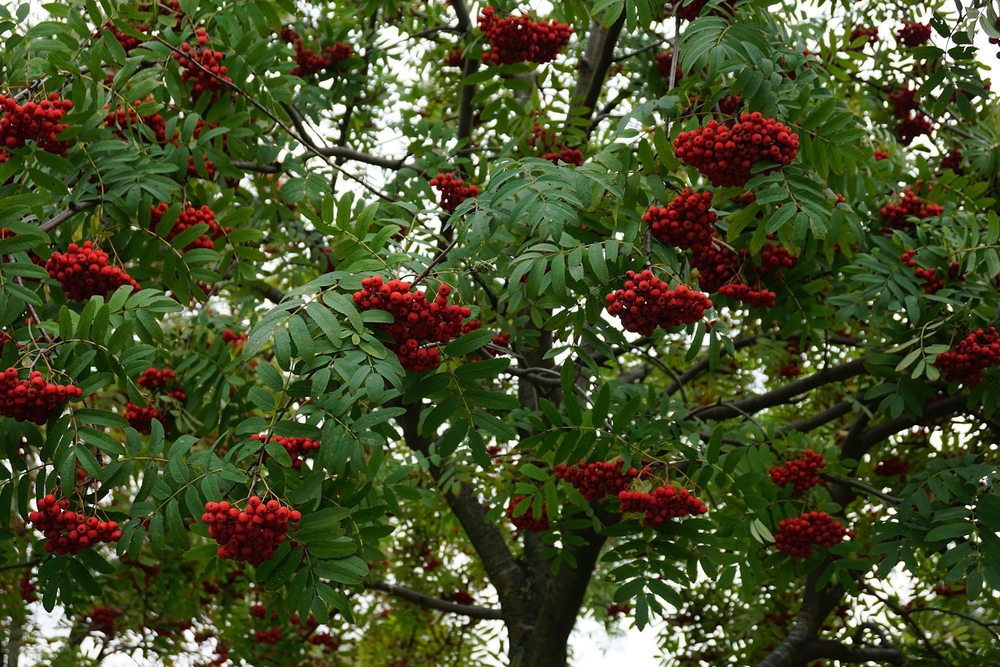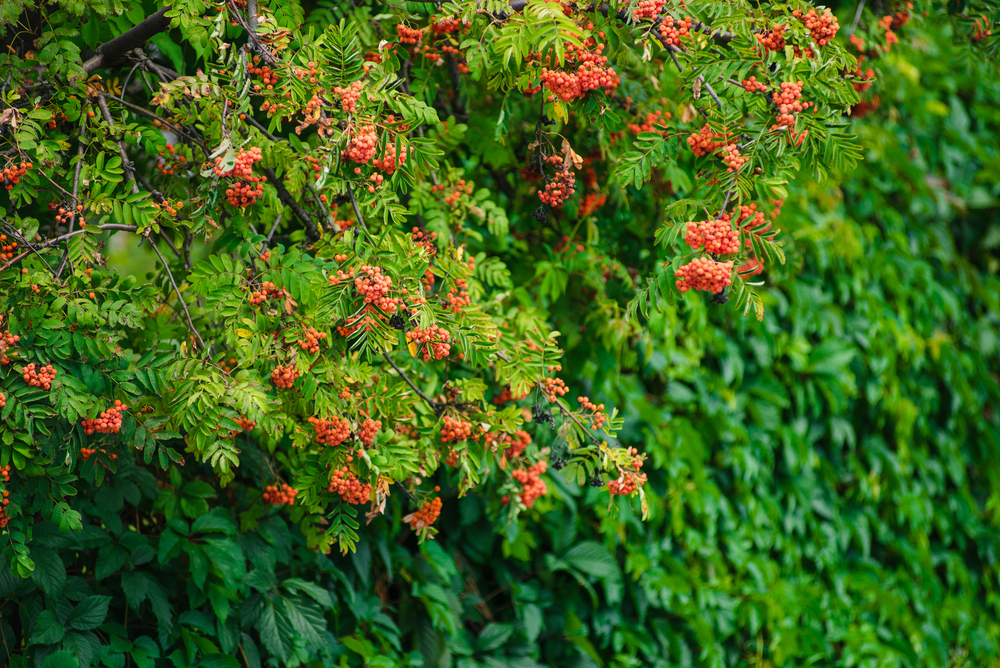
The Rowan tree, also commonly known as the Mountain Ash, is a real showstopper in any landscape. Those iconic reddish-orange berries start ripening in August and stick around to decorate the branches well into the winter months. Because they’re so beautiful, they’ve become a favorite for home gardeners looking to add some year-round visual interest.
Planting a Mountain Ash in Your Garden: What You Need to Know
If you’re thinking about adding a Mountain Ash to your yard, the first step is picking the perfect spot. These trees love full sun to partial shade, but they aren’t big fans of extreme heat. To keep yours happy, avoid planting it right up against house walls or stone structures, as these tend to reflect heat back onto the tree. As for timing, aim for the first frost-free days of spring. Technically, you can plant them any time the ground isn’t frozen, but spring gives them the best head start.
When it comes to the planting process, you’ll want to keep their soil preferences in mind. Ideally, they like:
- Deep, loamy soil
- A root barrier (to keep things contained)
- Soil that isn’t overly rich in nutrients
- Good drainage
That said, Mountain Ash trees are pretty adaptable and can handle most soil types. The only real deal-breakers are standing water (soggy feet!) and soil that is too heavily compacted.
How to Care for Your Mountain Ash
The Mountain Ash is a dream come true for low-maintenance gardeners or anyone with a busy schedule, because it requires almost no upkeep. You’ll notice it grows fairly quickly in the first few years before settling into a slower pace. You only really need to water it during long dry spells, and fertilizing usually isn’t necessary at all. A pro tip: spread some bark mulch around the base to help the soil retain moisture longer.
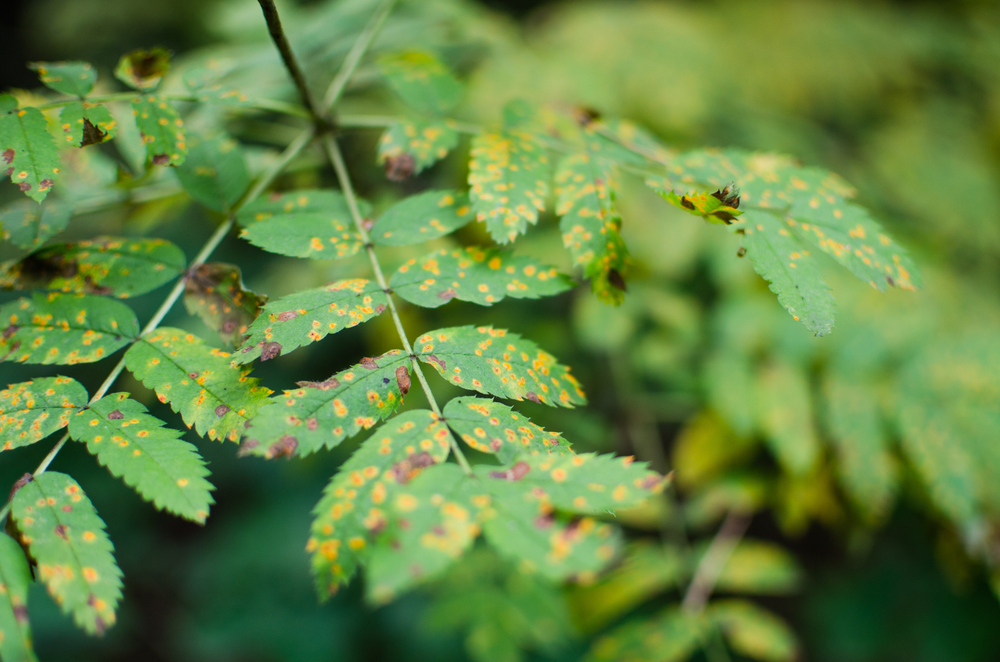
Pruning is rarely required unless you want to maintain a specific shape or if you notice any diseases or pests. Honestly, these trees look best when they’re just allowed to do their thing! Every now and then, you might want to thin out the canopy a bit to let more light through. While the tree will drop its leaves in late fall, those bright berries stay put all winter. Definitely leave them on the branches—they provide a vital food source for local birds during the cold months.