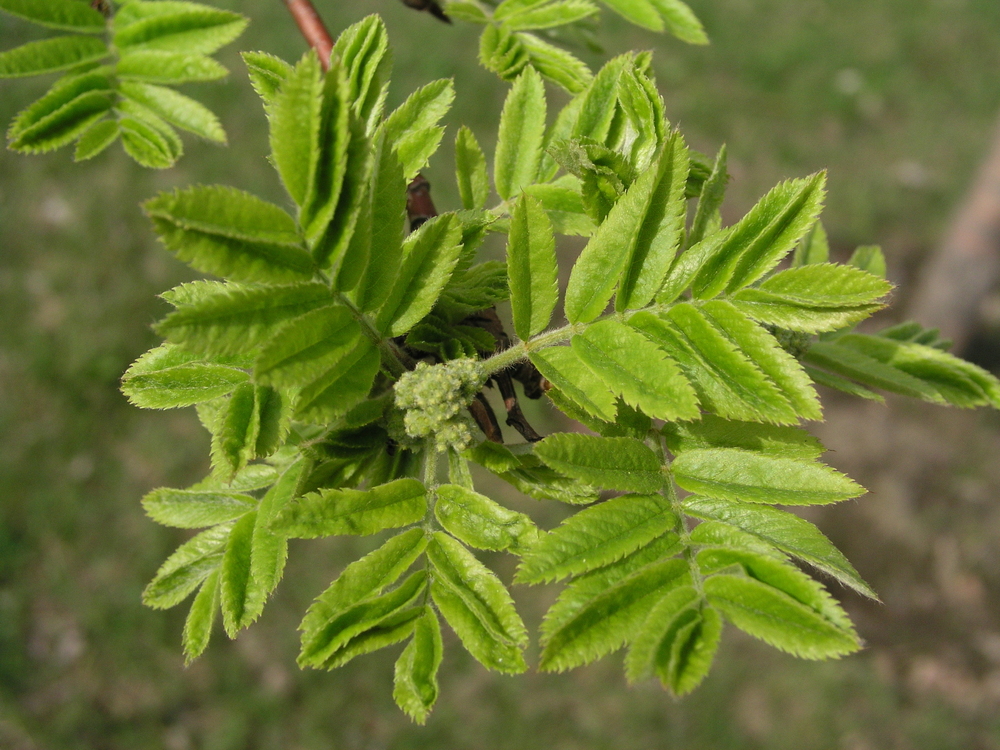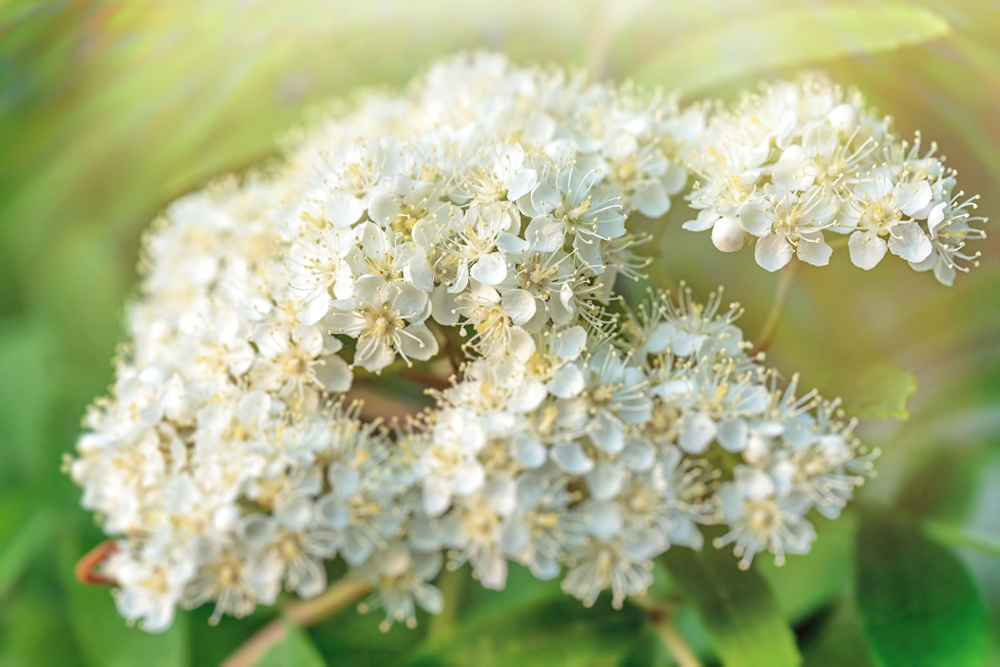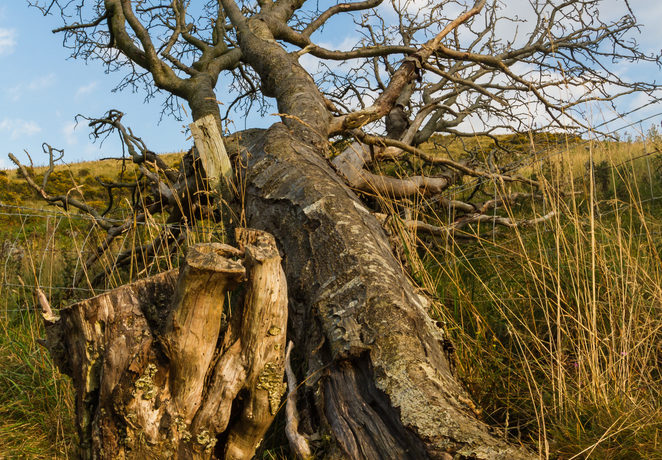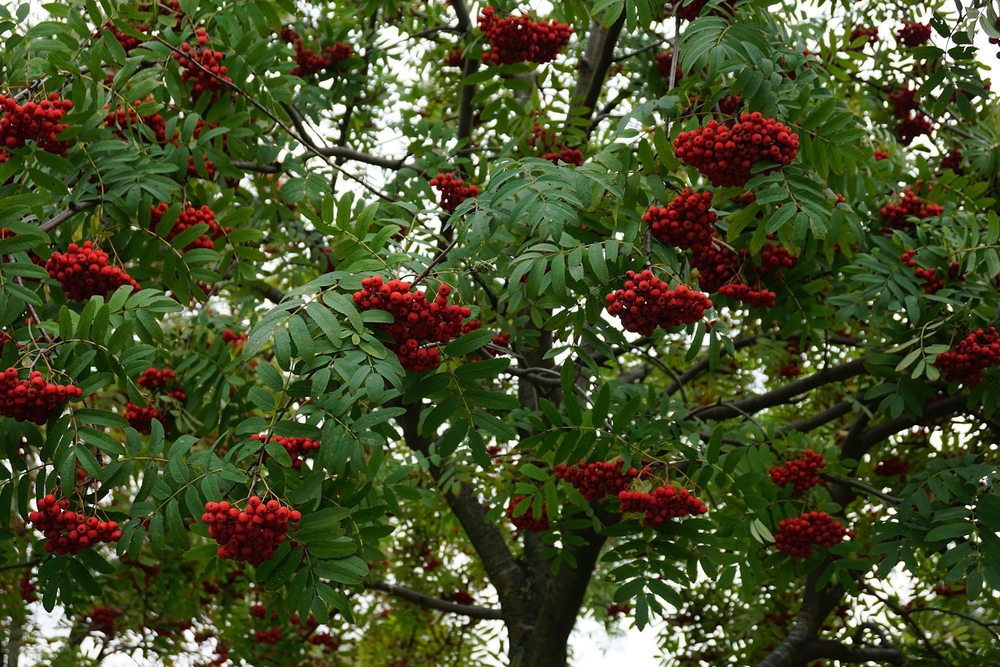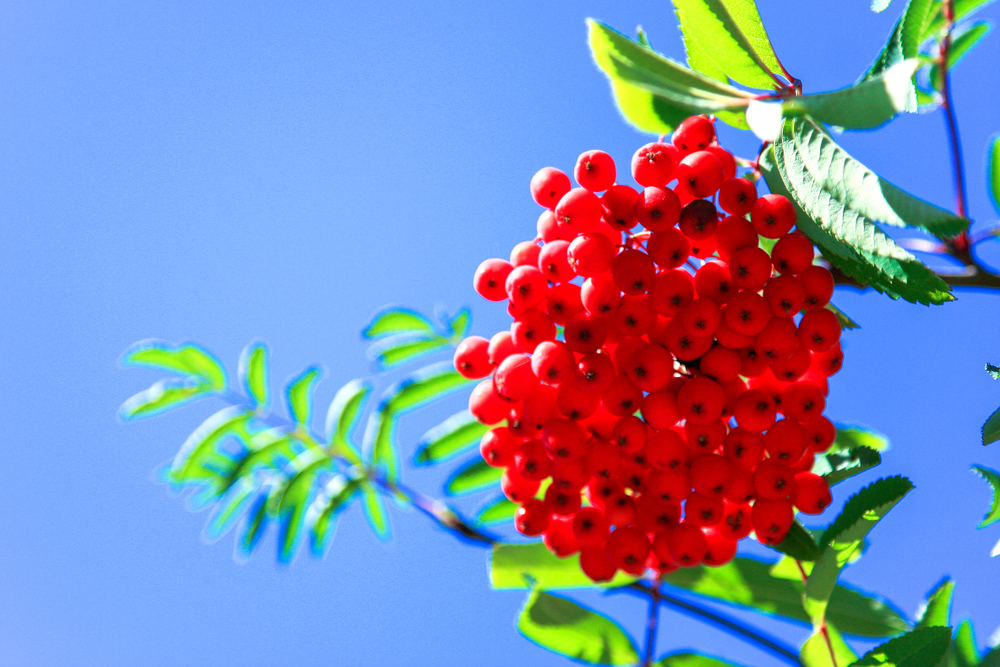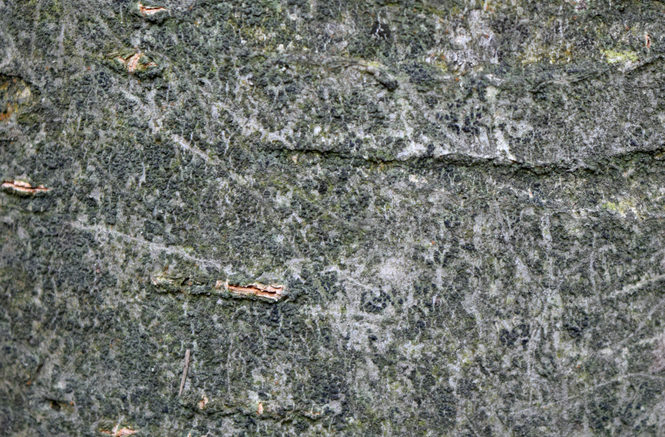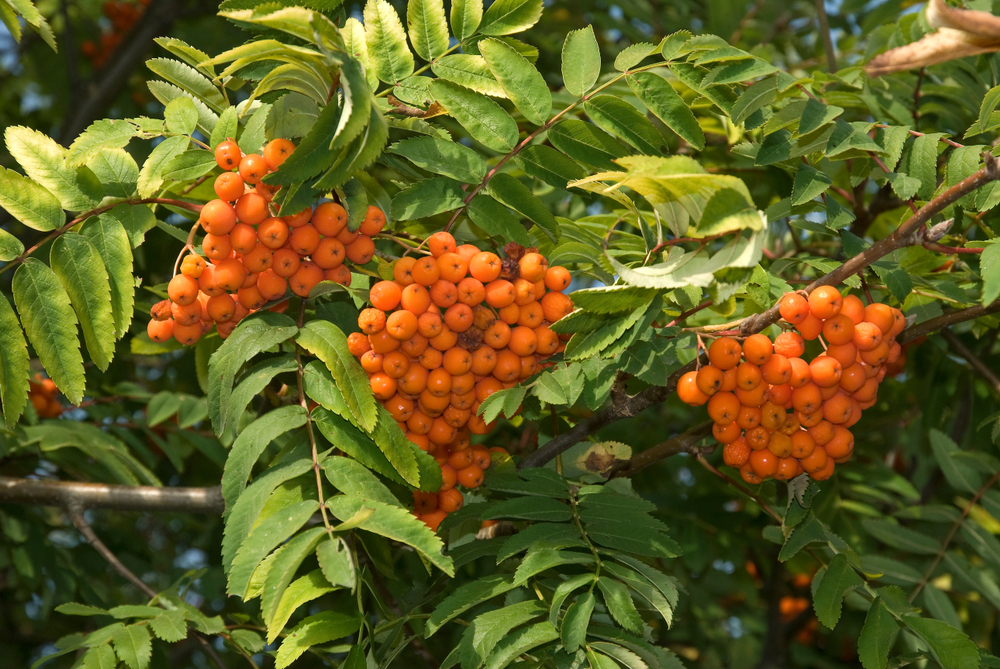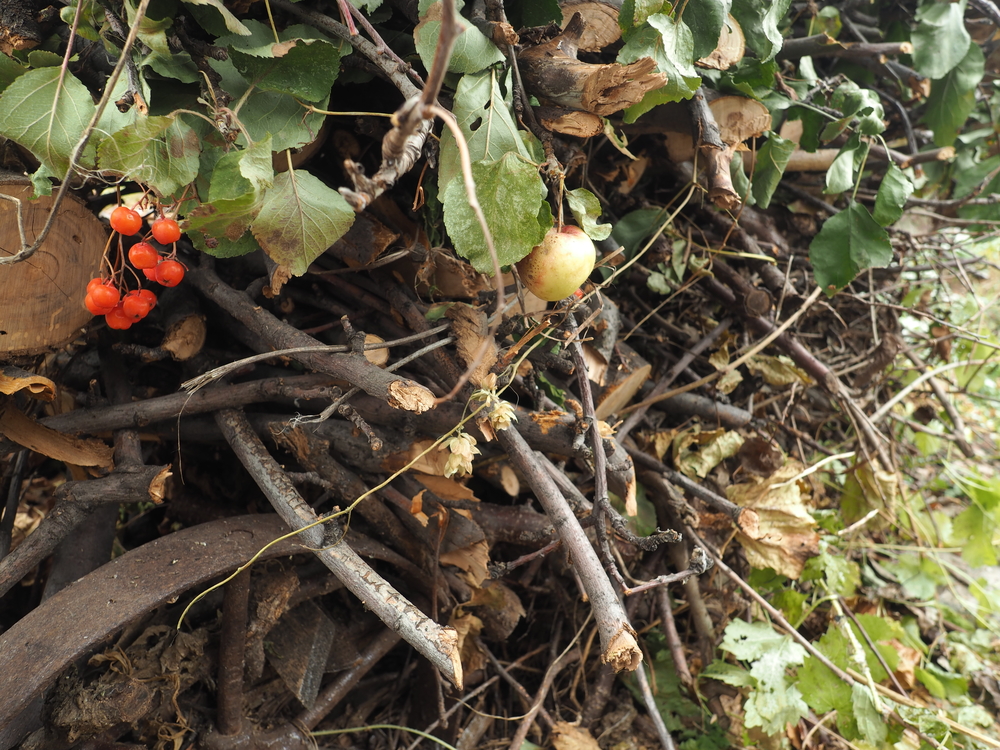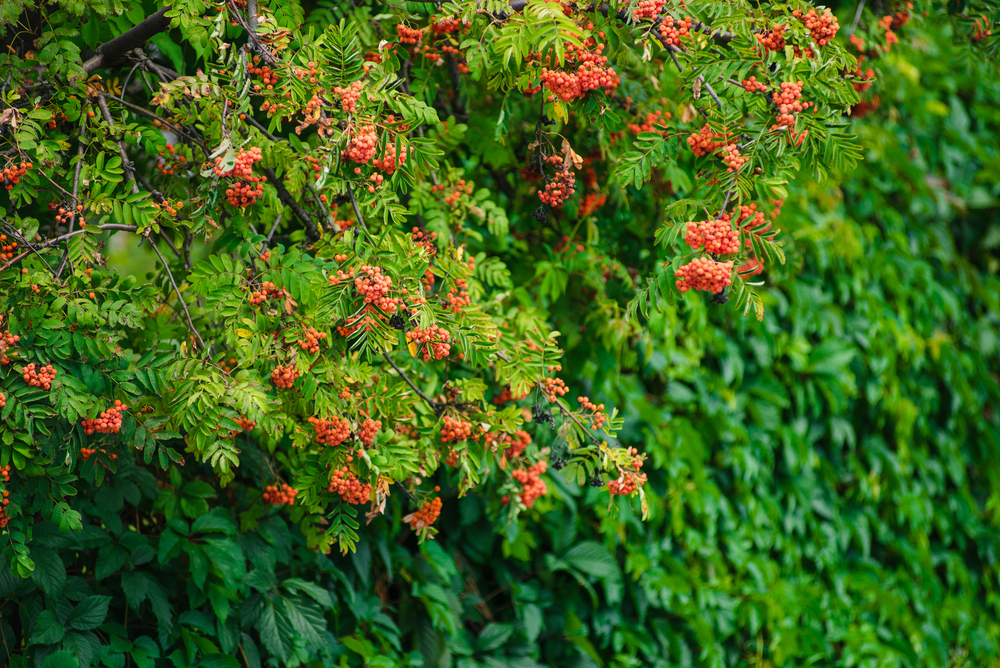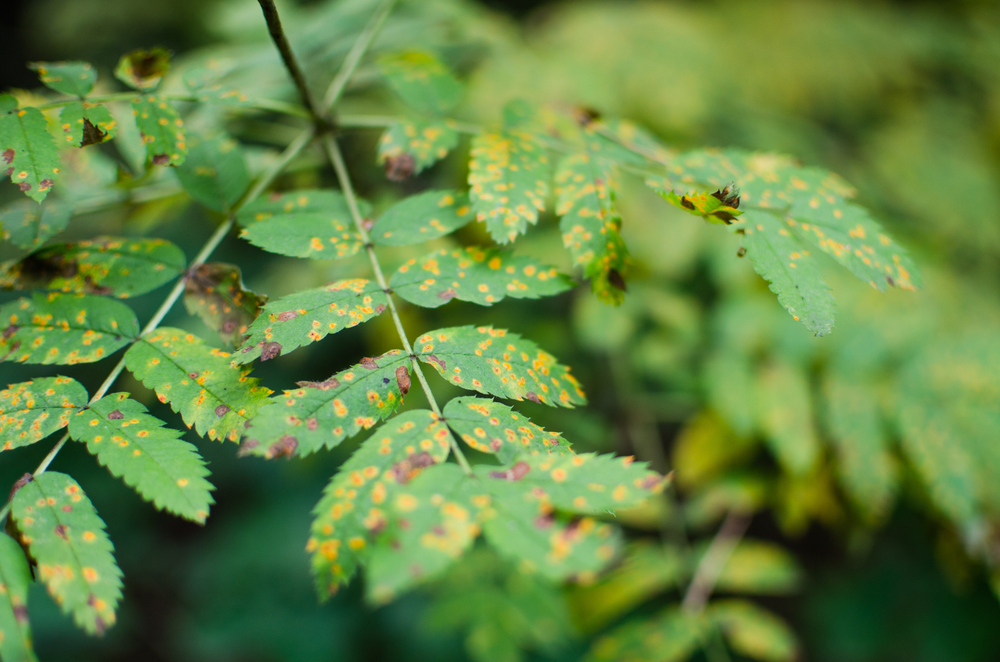
For the most part, Mountain Ashes (also known as Rowan trees) are tough-as-nails plants that don’t run into trouble very often. They’re perfectly adapted to our climate, which makes them pretty resilient. However, even the hardiest tree isn’t totally invincible—especially if it’s stressed out by a few gardening “oopsies.”
Here are the most common issues you might run into with your Mountain Ash:
- Fire Blight
- Tree Fungus
- Gray Mold (Botrytis)
Fire Blight
This is the big one. Fire blight is a serious bacterial disease that loves deciduous trees. In many areas, it’s actually a reportable disease, meaning you might need to notify your local agricultural office if you spot it. You’ll know it’s there if you see dark, scorched-looking discolorations on the shoots and blossoms. The leaf veins will also start to look dark and sickly. One of the biggest red flags? The infected parts don’t fall off in the winter; they cling to the tree, allowing the bacteria to keep spreading.
Trees stuck in spots that are too dark or getting drowned by overwatering are the most vulnerable. To fix it, you’ve got to be aggressive: prune away every single infected part right down to the healthy wood. Unfortunately, there isn’t a “magic bullet” spray specifically for fire blight yet, though some gardeners use broad-spectrum protectants to help.
Pro tip: Do not toss those clippings in your compost pile! Put them straight into the trash. Also, make sure to disinfect your pruning shears thoroughly afterward so you don’t accidentally spread the bacteria to your other garden favorites.
Tree Fungus
If your Mountain Ash picks up a wood-rotting fungus, you’ve got a fight on your hands. If caught too late, it’s usually game over for the tree. The tricky part is that most hobby gardeners don’t notice the infection until the spores have already taken over the trunk. That’s why it’s a good idea to give your tree a “check-up” every now and then. Look for fungal clusters on the trunk or leaves—they usually pop up in shades of red, yellow, or brown.
You definitely want to treat a fungal infection ASAP to keep it from jumping to your other trees. Keep an eye out for these culprits:
- Powdery Mildew (usually harmless, just ugly)
- Artist’s Bracket (Fomes fomentarius)
- Chicken of the Woods (Laetiporus sulphureus)
Gray Mold
If you notice fresh new shoots turning funky colors, drying out, and eventually falling off, you’re likely dealing with Gray Mold. This is almost always caused by “wet feet”—basically, soil that’s way too soggy or has poor drainage. The best move here is to prune back the affected shoots until you hit healthy wood to stop the rot in its tracks. Then, maybe take a look at your watering schedule!