Small trees are a total game-changer for backyard gardening. They don’t take up much real estate, they won’t turn your entire lawn into a giant shadow, and they fit perfectly into smaller suburban lots. If you’re looking to add some height to your garden without overdoing it, check out these seven popular picks—plus my personal favorite “insider tip” at the end!
[[pflanzen]]
++Globe Locust (Robinia pseudoacacia ‘Umbraculifera’)
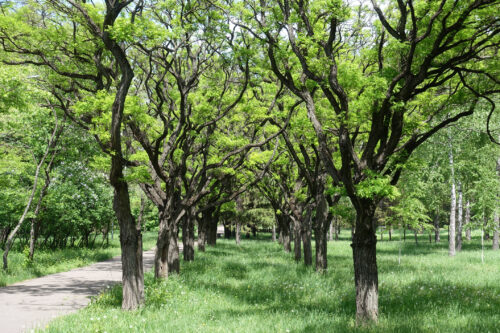
Reaching only about 13 to 20 feet, the Globe Locust naturally grows into a dense, perfectly round canopy. The blue-green foliage on this little guy is delicately feathered and looks super elegant. To keep that signature “lollipop” shape, you’ll want to give it a good pruning every year in the fall or late winter. Even with regular haircuts, the crown will slowly expand over time, but don’t worry—if it eventually gets too wide for your taste, this tree handles heavy pruning back to the old wood like a champ.
++Willow-Leaved Pear (Pyrus salicifolia)
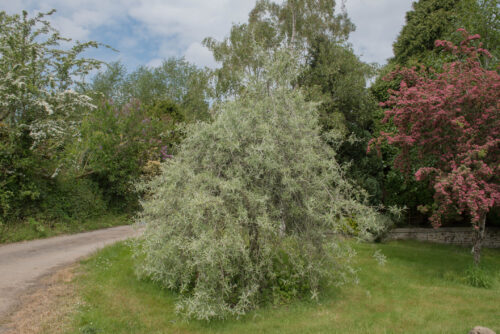
If you’re going for a Mediterranean vibe, this picturesque small tree is a must-have. Its slightly weeping branches and narrow, silvery-shimmering leaves give it a wonderfully delicate look. From April to May, it’s covered in white blossoms that are a huge hit with local pollinators. It does produce small, green, globe-shaped pears (about an inch wide), and while they are technically edible, they’re pretty gritty and bland—best to leave those for the birds!
++Dwarf Crabapple (Malus sp.)
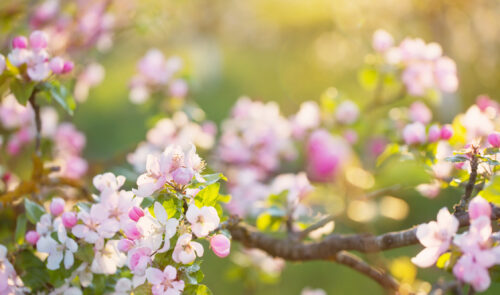
There are several dwarf crabapple varieties that top out at just 10 to 13 feet. The real show happens in May when the tree explodes into white, pink, or deep crimson blooms. Their sweet scent is like a magnet for bees and butterflies. By late summer, you’ll have tiny red or orange “jewel” apples that often hang onto the branches long after the leaves have dropped. They’re edible but definitely on the sour side—most gardeners prefer them as winter decor for the yard.
++Japanese Maple (Acer palmatum)
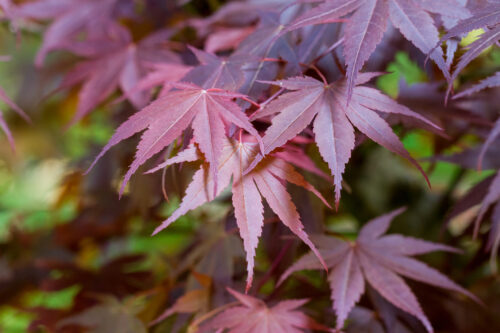
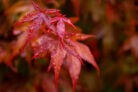
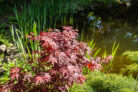
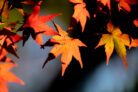
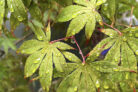
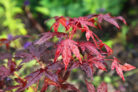
With its multi-stemmed growth and airy canopy, the Japanese Maple looks more like a piece of living art than a standard tree. Depending on the variety, the Japanese Maple can vary in size and leaf shape, but they all share that iconic lobed foliage. The leaves start as a lush green and transition into breathtaking golds or fiery reds in the fall. Keep an eye out for the tiny purple flowers in May, which eventually turn into those fun little “helicopter” seeds we all loved as kids.
++Columnar Flowering Cherry (Prunus serrulata ‘Amanogawa’)
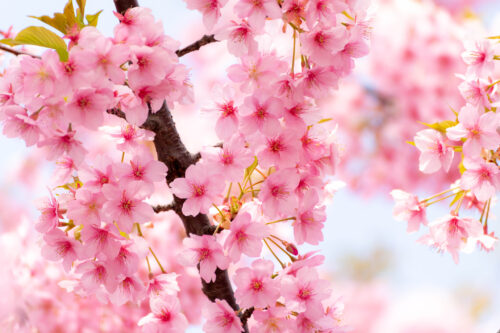
If you’re tight on space but want a big floral impact, the ‘Amanogawa’ is your best friend. It grows in a narrow, upright column, meaning it casts almost no shadow. In spring, it’s absolutely smothered in pale pink blossoms. The leaves start out a bronzy-yellow before turning a deep green. It does produce tiny dark cherries that are harmless but pretty tasteless—though your neighborhood birds will certainly appreciate the snack!
++Dappled Willow (Salix integra ‘Hakuro Nishiki’)
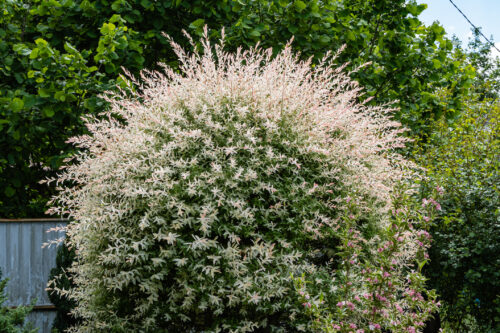
This East Asian native is all about the foliage. Reaching only about 10 feet, its branches are long and flexible with a graceful droop at the ends. The real “wow” factor is the variegated leaves: they’re a mix of green and white, but the new growth comes in a soft shrimp-pink. It gives the illusion that the tree is in full bloom for weeks on end. It’s a fantastic pop of color for any corner of the garden.
++Magnolia (Magnolia)
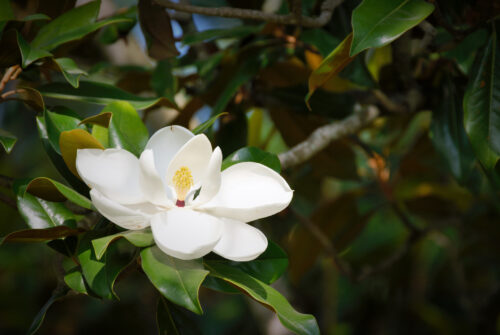
Planting a magnolia is like adding a touch of the exotic to your backyard. The massive, stunning blooms are truly incomparable. Many varieties bloom on bare branches before the leaves even appear. One of the coolest features is the fuzzy, oversized buds that form the previous season and sit on the branches all winter. Just a heads-up: because they bloom so early, a late spring frost can sometimes nip the flowers, so try to plant them in a somewhat sheltered spot.
%%Flowering Almond (Prunus triloba)
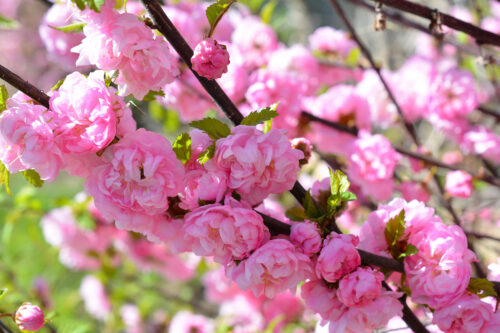
Here’s my secret tip: the Flowering Almond. Originally from China, this deciduous beauty usually stays under 7 feet tall. Starting in March, it’s decked out in double pink blossoms that look just like tiny roses. Unlike the trees grown for nuts, this ornamental version is sterile, so it rarely produces fruit. To keep it healthy and ensure a massive bloom next year, make sure to give it a hard prune right after the flowers fade. It keeps the tree looking tidy, graceful, and ready for its next spring show!