Snowdrops are famous for being those delicate little early bloomers that officially announce winter is on its way out. But there’s actually a lot more to these tiny flowers than meets the eye! If you want to get to know them better, here’s a quick breakdown of everything you need to know.
Snowdrop Profile
Here are the key facts, characteristics, and quirks of our favorite winter messenger:
- Botanical Name: Galanthus nivalis
- Common Names: Fair Maids of February, Milkflower, Candlemas Bells
- Family: Amaryllidaceae (Amaryllis family)
- Species and Varieties: 20 species and around 1,500 varieties
- Origin: Asia, likely the Caucasus region
- Distribution: Asia, Europe, North America
- Use: Perennial ornamental plant
- Light: Partial shade to full shade
- Soil: Humus-rich, slightly moist, slightly alkaline
- Height: Up to 12 inches (30 cm)
- Leaves: Dark green, narrow, and pointed
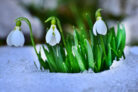
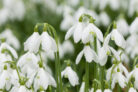
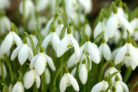
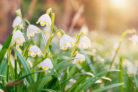
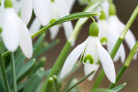
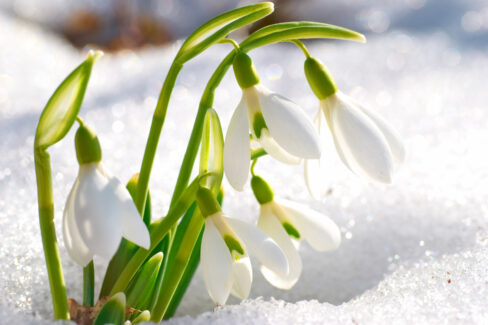
- Flowers: Drooping, white, with three small inner petals and three larger outer petals
- Bloom Time: Early spring, from late January/early February through April
- Fruit: Capsule fruits, ripening in April
- Propagation: Via seeds and offset bulbs
- Fun Fact: The entire plant is toxic if ingested
The Snowdrop Bulb
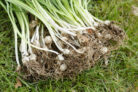
This tiny, incredibly hardy bulb is the powerhouse behind the flower. If you get them in the ground in the fall, they’ll reward you with blooms the following winter. During their dormant phase, these bulbs are busy soaking up all the nutrients they can find in the soil. They’re actually pretty savvy—they’ll even “borrow” nutrients from the fertilizer you give your other plants! Because of this, you usually don’t need to give snowdrops any extra fertilizer. Once they’re done blooming, the plant “retreats.” The bulb pulls all the remaining energy back from the fading leaves, and then the plant disappears entirely until next year. Like many bulb plants, snowdrops produce “offsets” (baby bulbs), which you can dig up and replant shortly after the flowering season to spread the love around your garden.
The Perfect Spot
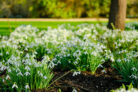
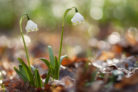
Snowdrops are happiest in dappled or light shade. Their ideal location is tucked away under deciduous shrubs, along the edges of wooded areas, in rock gardens, or in flower beds. Basically, they’ll thrive anywhere they can grow undisturbed. The only place you really want to avoid is near evergreens or conifers. Those trees tend to make the soil too acidic, and snowdrops just can’t handle that.
Conservation Status
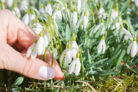
Here’s something most people don’t realize: snowdrops are actually a protected species in many places. Between over-harvesting in the wild and the spread of commercial pine forests, their natural habitats have been shrinking. Because of this, they are under legal protection in many countries. That means if you see them in the wild, look but don’t touch—it’s illegal to pick the flowers or dig up the bulbs from their natural environment. Stick to the ones in your own backyard!