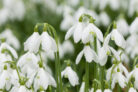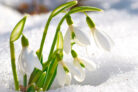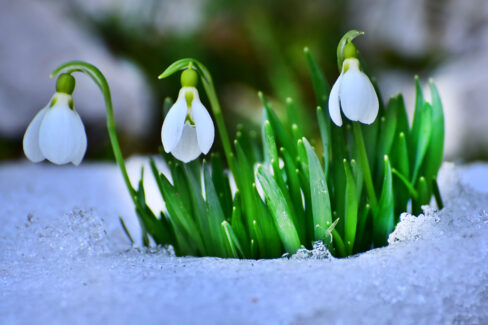
The snowdrop is one of those early bloomers we all remember from childhood. When you see a tiny white flower poking its head through a thick blanket of snow, you know exactly what it is. While most people think of it as a simple, understated little flower, there’s actually a lot more to these garden favorites than meets the eye!
What Makes Snowdrops Special
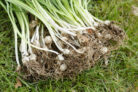
Something many gardeners don’t realize is that snowdrops are actually a protected species. Wild snowdrops have become so rare that their remaining populations are strictly guarded. This means picking the flowers, digging up the bulbs, or even collecting seeds in the wild is a big no-no. Luckily, since they are so popular in home gardens, you can usually find a neighbor willing to split their patch with you. Of course, you can also easily buy potted plants or bulbs at your local garden center or online.
A Word of Caution: Snowdrops are Toxic
It’s a little-known fact, but snowdrops are actually poisonous. The bulbs are packed with Amaryllidaceae alkaloids, which are toxic to both humans and pets. The flowers, leaves, and stems also contain substances like tazettine, galantamine, and lycorine. If any part of the plant is ingested, it can lead to some nasty symptoms, including:
- Excessive salivation
- Constricted pupils
- Diarrhea
- Vomiting
- Abdominal pain
- Signs of paralysis
Interestingly, even though they are toxic, the medical world uses galantamine (extracted from the plant) to help treat heart conditions, dementia, and menstrual issues.
Nature’s Little Heaters
Have you ever wondered how such a delicate flower manages to punch through a layer of ice and snow? It’s actually a pretty cool feat of nature.
As winter starts to wind down and the frost eases up, the snowdrop gets to work. While still buried, the plant begins to break down the sugars stored in its bulb, which actually generates a small amount of heat. This warmth is just enough to melt the snow directly above the flower. The resulting meltwater hydrates the bulb, giving it the energy to grow rapidly. Before you know it, the shoot has “pierced” through the snow—which is why some people call them “snow-piercers.”
A Unique Way of Spreading
Snowdrops don’t just multiply by growing “daughter bulbs” underground; they also spread via seeds. But they have a little help! Ants are often attracted to the seeds and carry them back to their tunnels, sometimes quite far away. The ants eat part of the seed, but the rest is left behind to grow into a brand-new bulb. It’s nature’s own little delivery service!