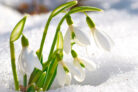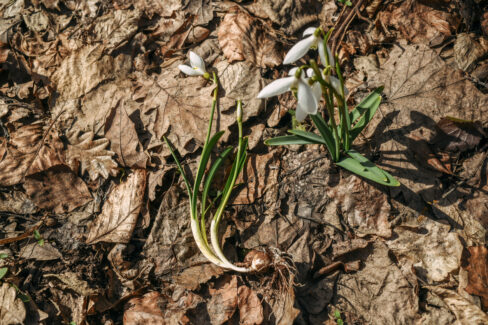
Snowdrops are the ultimate spring trendsetters—they’re often the very first flowers to pop up, sometimes even poking their heads through a blanket of snow. These delicate white blooms look fantastic whether they’re in a garden bed or a balcony planter. If you’ve fallen in love with these little guys, you’re probably wondering how to get even more of them in your yard.
How to Propagate Your Snowdrops
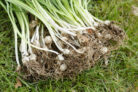
The best way to get more snowdrops is by dividing them. Shortly after your snowdrops have finished blooming, you can gently dig them up and separate the smaller “baby” bulbs (offsets) from the main mother bulb. You’ll want to replant these little offsets right away in their new home, about 2.5 inches deep. The perfect time for this is usually the first few weeks of March. This gives the bulbs plenty of time to establish their roots and soak up nutrients for next year’s show.
Let the Ants Do the Heavy Lifting
Nature has a pretty cool trick for spreading snowdrops, and it involves a little help from our six-legged friends. Once the flowers produce seeds, ants take over the job:
- Snowdrop seeds have a tiny, tasty attachment called an elaiosome that ants absolutely love.
- Ants track down the seeds and carry them back to their colony.
- They eat the nutritious attachment but leave the actual seed behind.
- That seed eventually germinates and grows into a brand-new plant!
Starting from Seed
If you don’t want to leave things up to chance (or the ants), you can collect the seeds yourself. Wait until the seed pods turn brown and ripen in April. Harvest them and sow them immediately into your garden bed or balcony box. They love soil that is rich in organic matter and stays slightly moist. Aim for a spot with partial shade—underneath medium-sized shrubs or perennials is perfect, as they’ll get dappled sunlight during the growing season. Keep in mind that snowdrops are “cold germinators,” meaning they need a period of winter chill to wake up and start growing. If they’re in the ground over winter, you’re all set!
One quick pro-tip: avoid planting your snowdrops near evergreens or conifers. These trees tend to make the soil too acidic, and snowdrops are definitely not fans of high-acid dirt.