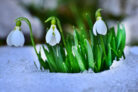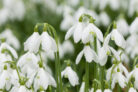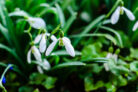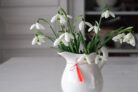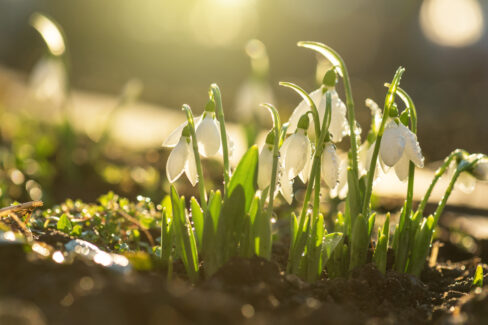
These charming early bloomers are real tough cookies! If the conditions are right, they can poke their heads through the snow as early as late January to bring a little life back to your garden. Snowdrops are incredibly hardy and winter-proof, provided you’ve tucked them into the right spot.
Finding the Perfect Spot
Snowdrops love a place with partial shade to light sun where they can be left alone to do their thing. They really appreciate a “no-disturb” zone—meaning no hoeing or aggressive weeding. If you plant them in a sunnier spot, just keep an eye on the soil moisture. If that winter sun starts drying things out, you might need to give them a quick drink. Just avoid deep shade, as they won’t be happy there. Some of my favorite spots for them are:
- In front of hedges
- Under airy shrubs
- In meadows or lawn areas that don’t get much foot traffic
- Under deciduous trees
- Tucked next to garden sheds or water troughs
- In rock gardens
- In your standard flower beds
The golden rule? Don’t disturb them, and keep them away from evergreens. The acidic soil found under pine and fir trees is a bit too harsh for these little guys.
The Soil
Snowdrops really thrive in soil that is rich in organic matter (humus), well-draining, and full of nutrients. You want the soil to stay consistently moist but never soggy. To prevent root rot, drainage is key. If you’re worried about your soil being too heavy, try adding a little coarse gravel as drainage at the bottom of the hole when planting your bulbs.
Planting and Care
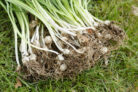
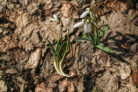
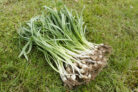
The best time to get your snowdrop bulbs in the ground is early fall, starting around August. Dig your holes about 4 inches deep in loose, weed-free soil. I like to plant them in “clusters” of about five bulbs per hole—they look much more natural and impressive that way! Make sure to leave about 6 inches of space between each cluster. You can mix a little horn meal or bone meal into the soil when planting to give them a slow-release nutrient boost. After that, they really don’t need much fertilizer; the bulbs store everything they need to bloom year after year.
For a real “wow” factor in the spring, try pairing your snowdrops with other early bloomers. They look absolutely stunning alongside short-stemmed wild tulips, crocuses, squill (Scilla), and winter aconite.