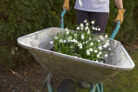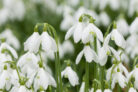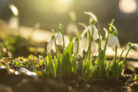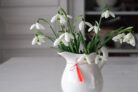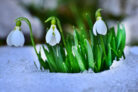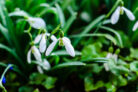
There’s nothing quite like the sight of those delicate white snowdrops poking their heads through the snow, sometimes as early as January! They’re the ultimate sign that spring is just around the corner. But if you want that magical display in your own yard, timing is everything.
When to Get Them in the Ground
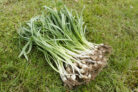
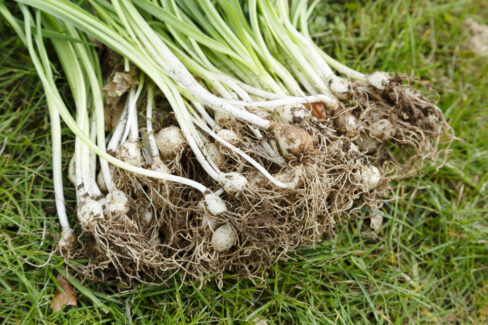
If you’re starting with fresh bulbs, late summer to early autumn is your sweet spot. Aim to get your snowdrop bulbs planted between August and October. When you’re picking them out, look for bulbs that feel firm to the touch. If they’re soft or shriveled, leave them behind—they won’t give you the results you want. Pro tip: try to plant your bulbs as soon as you get them home. They tend to dry out and shrivel quickly if they sit around too long.
If you missed the fall window and bought pre-grown snowdrops in the spring, just wait for a day when the ground isn’t frozen to get them into their new home.
Finding the Perfect Spot
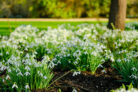
In the wild, snowdrops love growing under trees and tall perennials where they get a bit of shade and the soil stays nice and moist. To keep them happy in your garden, try to mimic those woodland conditions:
- Pick a spot with partial shade.
- They’re perfect for “naturalizing” under trees and shrubs.
- Moderate light is just right—not too much direct sun.
- The soil should be fresh and well-draining.
- They love soil that’s rich in organic matter (humus).
- Avoid soggy feet! If your soil holds too much water, consider adding some drainage.
- They also do great in pots and containers!
Planting and Care
Snowdrops look best when they’re planted in little clusters rather than single files—it really helps their delicate beauty stand out. They also play very well with other early bloomers like crocuses, winter aconite, or hyacinths. When planting, space your clusters about 6 inches (15 cm) apart and tuck the bulbs about 2 to 3 inches (5 to 8 cm) deep. You can actually skip the fertilizer; these little guys are self-sufficient and store all the nutrients they need right in the bulb.
One quick heads-up: be sure to wear your gardening gloves when handling them. Snowdrops are actually toxic in all parts, especially the bulbs, so it’s better to be safe than sorry while you’re working in the dirt!