When it comes to anemones, we usually split them into two main camps: the spring-bloomers (which grow from bulbs or tubers) and the fall-bloomers (which are hardy perennials). But does the timing really matter when you’re ready to get them in the ground? Let’s break it down.
When to Plant Spring Anemones
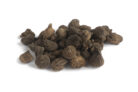
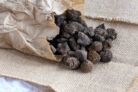
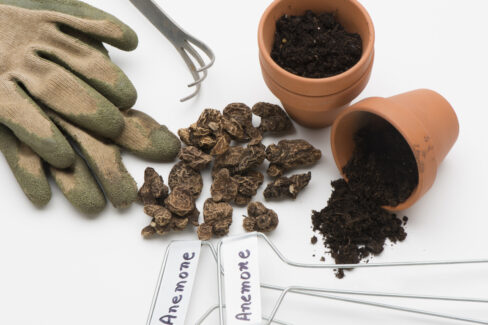
Spring-blooming anemones come as bulbs, though let’s be honest—they usually look more like shriveled little raisins! You’ll see some varieties labeled as hardy and sold in the fall. The non-hardy types, on the other hand, shouldn’t hit the garden beds until spring, usually around late March or early April. However, even the “hardy” ones can be a bit finicky with heavy frost. To play it safe, I often recommend planting all your spring bulbs in the springtime, or at the very least, giving them a cozy layer of mulch to survive their first winter.
Pro Tip:
Before planting, soak those tubers in lukewarm water for about 24 hours. They’ll plump right up, which helps them sprout much faster once they’re in the dirt.
When to Plant Fall Anemones
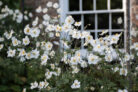
Believe it or not, spring is also the best time to plant your fall-blooming anemones. While most of these perennials are quite hardy, they usually need about two years to really establish themselves before they can handle a rough winter on their own. Here’s the rule of thumb:
- Plant hardy perennials in the spring.
- Plant non-hardy varieties between spring and early summer.
- Only move or plant older, established hardy perennials in the fall if you absolutely have to.
Pro Tip:
If you decide to divide a large perennial in the fall, play it safe: pot up the new sections and keep them indoors until spring.
Watch Out for Frost
Spring weather can be a bit of a roller coaster. If you’re planning to plant, wait for a stretch of frost-free days. You want the soil to be workable—not frozen or ice-cold—so those roots can get comfortable.
First-Winter Protection
Even if your anemone grows like crazy over the summer, it might still be a little “tender” during its first winter. Give it some extra love by covering the base with leaves, brush, or straw. For the non-hardy varieties, you’ll need to dig up the tubers in the fall and store them indoors in a cool, dry place until it’s time to plant again next year.