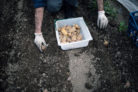
Originally from South America, potatoes are a fantastic addition to any home garden. The best part? They aren’t very picky about soil and are surprisingly easy to care for. If you’ve been thinking about growing your own spuds, here are my favorite tips and tricks to get you started.
Choosing Your Seed Potatoes
Did you know there are about 4,000 different potato varieties worldwide? While your local garden center might not have *that* many, you’ll still find plenty of great options to choose from.
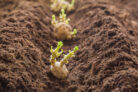
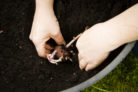
Once you’ve picked out your tubers, I highly recommend letting them sprout (or “chit”) before planting. Just place them in a box in a cool spot (around 50-60°F) inside your house. By letting those little sprouts start indoors, your potatoes will get a much faster start once they hit the soil.
Preparing the Bed
Potatoes love their personal space, so it’s best to give them their own dedicated bed. If you’re looking for some “good neighbors” to plant nearby, broad beans or cabbage are excellent companions.
For the best results, start prepping your soil in the fall by mixing in some well-rotted manure and compost. If you’re dealing with heavy clay or compacted soil, giving it a good tilling or digging over will make a world of difference.
If you’re getting started in the spring, the process is pretty much the same: work in some rotted manure and plenty of compost. I also like to add some horn meal as a natural fertilizer to give them an extra boost.
Planting Time
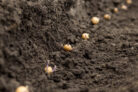
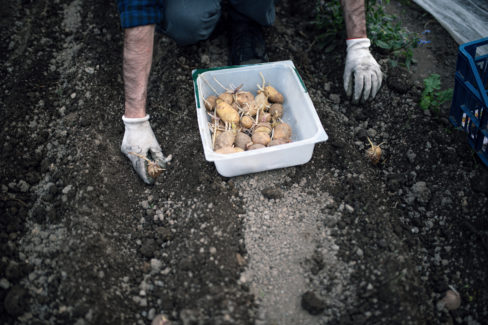
- Dig rows about 2 inches deep, spacing them roughly 15 to 20 inches apart.
- Drop a little extra compost into the row and place your potatoes inside with the sprouts facing up.
- Carefully cover the tubers with soil and then mound (or “hill”) about 4 inches of earth over the top.
- No need to water them immediately—they’re good to go!
Caring for Your Crop
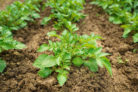
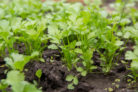
Potatoes are pretty low-maintenance. Once the sprouts poke through the soil, just keep an eye out for weeds and pull them regularly. As the potato plants grow larger, they’ll eventually shade out the competition themselves.
Try to keep the soil consistently moist, but be careful not to overwater. Potatoes hate “wet feet,” and too much moisture can lead to rot. You’ll also want to keep hilling up the soil around the base of the plants as they grow. This boosts your yield and prevents the tubers from getting “green shoulders,” which is caused by sun exposure and creates bitter, toxic solanine.
Keep an eye out for the dreaded Colorado potato beetle. If you see them or their larvae, the best way to handle it is to simply pick them off by hand.
Pro Tip: To prevent late blight , which can be a real headache in wet summers, try a preventative spray of horsetail tea. It’s a great organic way to keep fungus at bay.