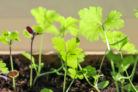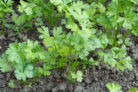
Taking a little extra care when planting your parsley really pays off in the long run. Once you’ve laid the groundwork for lush, healthy growth, there’s honestly not much left to do until harvest time. However, if you skip a few crucial steps, this favorite kitchen herb can go downhill pretty fast.
The Perfect Spot and Great Soil
Parsley loves a spot with partial shade—think plenty of light, but protected from the harsh, direct midday sun. The soil should be nutrient-rich and not too acidic. Since parsley likes to stay moderately moist, you need soil that holds water well but doesn’t get waterlogged (nobody likes soggy feet!).
- Improve lean soil with some well-aged compost.
- Alternatively, use horn meal or horn shavings for a slow-release boost.
- Add a little lime if your soil is too acidic.
- Loosen up heavy, clay-like soils with a bit of sand.
Pro Tip:
If you want your parsley to thrive, you’ve got to pay attention to crop rotation. Never plant parsley in a spot where any member of the carrot family (umbellifers) has grown in the last four years. It doesn’t matter how perfect the soil is—the parsley just won’t be happy there.
Seeds or Starter Plants?
You’ve probably seen those cute little parsley pots at the grocery store. Honestly? Those are meant for immediate cooking. They’re usually grown so fast that they don’t handle being transplanted into the garden very well. You can find hardier starters at a local nursery, but even that isn’t the best way to go. For the strongest plants, I recommend starting from seed every year.
- Buy fresh seeds or collect your own.
- Sow your seeds between March and mid-May.
- Make sure the soil temperature is at least 46°F (8°C).
- A second planting in August is a great idea—it’s often less prone to pests and diseases.
- In a cold frame, you can even sow in the fall.
- Sow in rows or broadcast them over an area.
- Parsley seeds need darkness to germinate, so cover them with about half an inch (1 cm) of soil.
- Keep the soil consistently moist.
- Be patient! Germination can take 4 to 6 weeks.
Thinning and Moving Seedlings
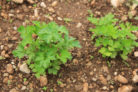
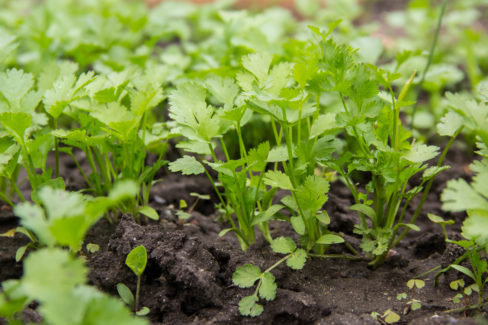
Once those seeds sprout, you’ll see how crowded they are. You’ll likely need to thin them out so they have room to breathe. If you started seeds indoors back in February, you can move them out to the garden starting in May.
- Space between plants: 4 inches (10 cm)
- Space between rows: 6-8 inches (15-20 cm)
- Distance from other types of plants: about 12 inches (30 cm)
Good Neighbors for Parsley
Avoid planting parsley near other umbellifers (like carrots or fennel), lettuce, cabbage, or lavender. However, parsley is a fantastic team player in a companion planting setup with these friends:
- Alliums: Onions, leeks, and garlic
- Root veggies: Radishes
- Fruit-bearing veggies: Tomatoes and cucumbers
- Others: Spinach, Swiss chard, strawberries, and marigolds
Care for Healthy Growth
If you enriched your soil with compost before planting, you won’t need to fertilize your parsley again during the season. Just focus on keeping the soil moderately moist. When watering, try to avoid getting the leaves wet to prevent mildew and other fungal issues. If your parsley starts turning yellow or looking sickly, it’s usually best to pull it out. If you live in a colder climate, protect your plants over the winter with some brushwood or mulch.
How to Harvest Parsley Right
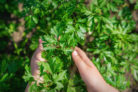
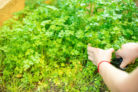
You can harvest parsley continuously—just snip what you need right before you use it. About eight weeks after sowing, the first shoots should be big enough. Cut off entire stems rather than just plucking leaves; this actually encourages the plant to grow more. Just be careful not to damage the “heart” (the center) of the plant, or it will stop growing.
Keep in mind that parsley is a biennial. In its second year (usually around June or July), it will start to bloom. Once it flowers, stop eating it! The plant produces apiol, which makes it toxic at that stage. By sowing new seeds every year, you’ll always have a fresh supply. If you have a huge flush of growth before it flowers or before the first frost, you can always freeze it for later!