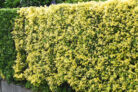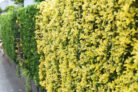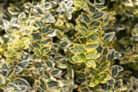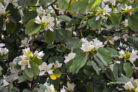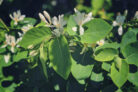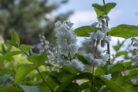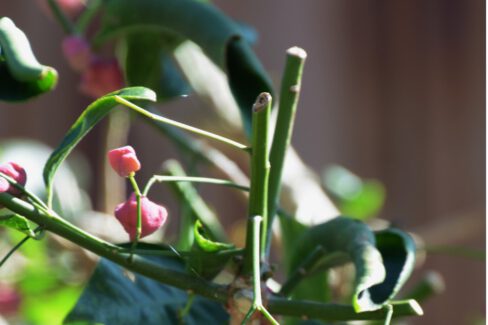
The Spindle tree (part of the *Euonymus* family) can grow up to 13 feet tall as a wild shrub. However, several varieties make absolutely fantastic bonsai projects—specifically the European Spindle, the Winged Spindle (Burning Bush), and the Japanese Spindle.
Why You’ll Love Spindle Tree Bonsai
If you’re just starting your bonsai journey, the European Spindle is a great choice. It’s a fast grower and isn’t too picky about maintenance. Here’s why it’s a winner:
- It adapts beautifully to shallow bonsai pots.
- You get a stunning, vibrant show of fall colors.
- It produces gorgeous (though toxic!) berries.
- Those berries stick around long after the leaves fall.
- It bounces back quickly after a heavy prune.
- New buds will pop up even on older wood.
- It’s very cold-hardy.
What It Looks Like
On the European Spindle, you’ll notice thin, corky ridges along the branches. They aren’t quite as dramatic as the thick “wings” on a Burning Bush, which actually makes the European variety a bit easier to style and shape.
From May to June, the tree puts out greenish-yellow flowers that grow in small clusters. By autumn, these turn into bright red fruits that often hang onto the branches well into November.
The leaves are deciduous, relatively small, and have slightly serrated edges. When fall hits, they put on a spectacular show, turning everything from bright orange to deep scarlet.
Location, Soil, and Repotting
Even as a bonsai, the Spindle tree belongs outdoors in your garden or on a balcony. It loves a bright, sunny spot, though it can handle partial shade. Pro tip: if you want those fiery red fall colors, make sure it gets plenty of direct sunlight! While these trees aren’t fussy about soil in the wild, your bonsai will be happiest in a high-quality substrate like Akadama or expanded shale.
You’ll want to repot your bonsai every two to three years. Because these trees have such vigorous root systems, don’t be afraid to give the roots a radical trim during the process—they handle it like a champ.
Wiring Your Bonsai
Timing is everything when it comes to wiring a Spindle tree. You need to shape the young shoots with bonsai wire before they become too “woody.” Once the wood hardens, it becomes very brittle and will snap if you try to bend it. Also, be extra careful around flower buds while wiring; they’re delicate and will drop off if you’re too rough.
Pruning Your Spindle Tree
Because this tree is such a fast grower, you’ll need to prune it about three times during the growing season to keep its shape. The best times to trim are late May, mid-July, and mid-August. This regular “haircut” encourages the tree to back-bud, leading to a much denser, more intricate branch structure over time.