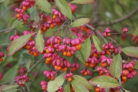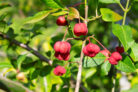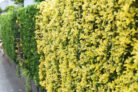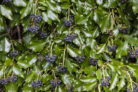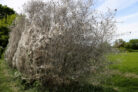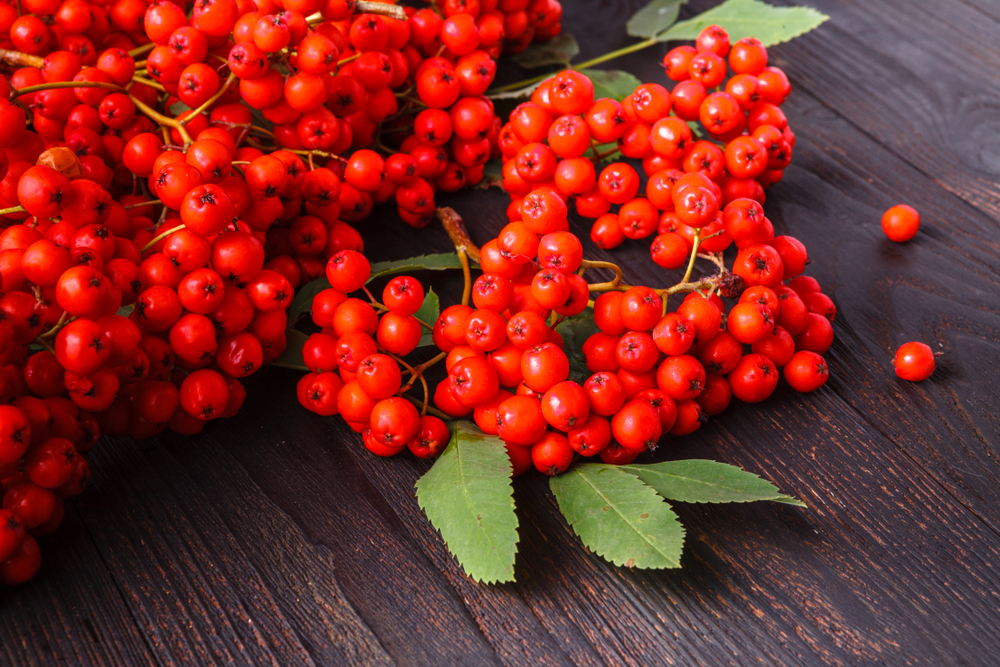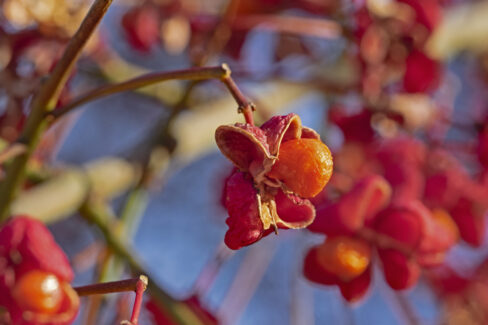
One of the most common shrubs you’ll spot in our neck of the woods is the European Spindle (also known as *Euonymus europaeus*). These fast-growing plants are a favorite for privacy hedges, and for good reason! They really steal the show in the fall when their leaves turn brilliant colors and those iconic bright red fruits with orange centers finally ripen.
How the Spindle Fruit Develops
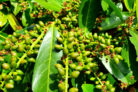
Back in May and June, the Spindle tree produces subtle, yellowish-white blossoms that have a lovely sweet scent. These little flowers grow in loose clusters and are a hit with flies, ants, and bees. Once they’ve been pollinated, the plant gets to work growing its unique four-lobed seed pods, which ripen by August or September. They are hard to miss thanks to their vivid pinkish-red color and their funky shape—which actually looks a bit like a “biretta” (a traditional cap worn by Catholic priests).
When the fruit is perfectly ripe, those four lobes pop open to reveal seeds wrapped in a bright orange coating, dangling by silky threads. That neon orange color is like a magnet for birds! Robins, thrushes, and magpies love to snack on the sweet fleshy coating. They eat the fruit, and the seeds pass right through them, which is nature’s clever way of spreading Spindle trees to new locations.
A Word of Caution: Toxicity
While they look beautiful, it’s important to know that every part of this shrub—especially the seeds—is toxic. They contain a mix of glycosides (which can affect the heart), evonine, and various alkaloids that impact the nervous system. These can be dangerous for livestock and pets if eaten in large quantities. Simply touching the plant isn’t an issue, though; even if kids pick the berries and later lick their fingers, there’s usually no cause for alarm.
The real danger comes from actually eating the fruit. For adults, 30 to 40 seeds can be fatal, while children can show signs of severe poisoning after eating just 15. Keep in mind that symptoms usually don’t show up right away—it can take 12 hours or more before you notice things like:
- Shortness of breath
- Nausea and vomiting
- Diarrhea or stomach cramps
- Fever
- Rapid pulse or heart palpitations
- In severe cases, paralysis of the heart or nervous system
People have known about the Spindle’s toxicity since ancient times, often associating it with magic or folklore. Despite the risks, it was actually used as a remedy back in the day. The seeds were ground into a powder for ointments to treat skin conditions like scabies, or mixed into soapy water to make a lice-fighting shampoo. It was even used as an early form of organic insecticide!