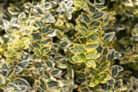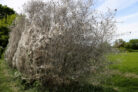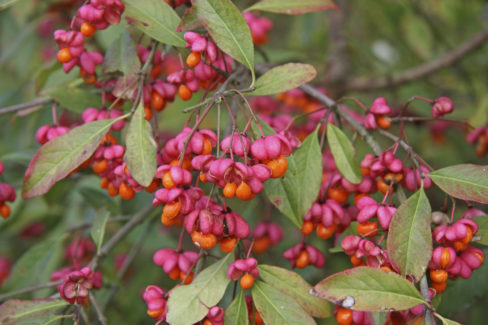
The European Spindle tree (botanical name: *Euonymus europaeus*) is a fantastic native shrub that belongs to the Celastraceae family. Back in the day, its wood was prized for being incredibly tough—so tough, in fact, that it was used to craft everything from organ pipes and shoe pegs to knitting needles!
Fun Facts About the Spindle Tree
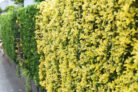
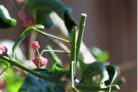
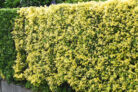
The Spindle tree is a large shrub that can reach up to 20 feet tall and about 10 feet wide. It’s pretty laid back when it comes to its location, thriving in anything from full sun to partial shade. While it’s not too picky about soil, it really loves nutrient-rich, lime-heavy soil with a bit of clay mixed in. You’ll often spot it growing naturally along the edges of deciduous forests, but it’s also a popular choice for backyard hedges and stabilizing slopes. Here are a few quick highlights to keep in mind:
- A hardy, native wild shrub
- Wind-resistant and very frost-hardy
- The flowers are a favorite for local bees
- Features stunning (but highly toxic) fruit in the fall
- The unique fruit shape resembles a traditional priest’s cap (hence its German name, “Pfaffenhütchen”)
- Can handle both dry spells and occasional flooding
- Grows at a steady pace of about 10 inches per year
- Very low-maintenance regarding soil quality
The Blooms and Berries
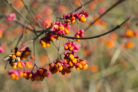
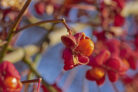
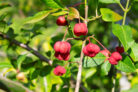
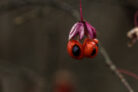
During May and June, the Spindle tree produces subtle, yellowish-white blossoms. They aren’t flashy—the four green sepals are actually quite tiny—and they grow in loose clusters called cymes. Even though they’re understated, they give off a sweet scent that’s irresistible to small insects like ants, flies, and bees. By August, the real show starts when the coral-red fruits ripen. These four-lobed capsules eventually pop open to reveal bright orange-coated seeds hanging by delicate threads. These colorful fruits are a huge hit with the local bird population. Robins, magpies, and chickadees love snacking on them and help spread the seeds naturally throughout the landscape.
A Note on Toxicity
As beautiful as it is, you need to handle the Spindle tree with care: every part of this plant is highly toxic. The seeds contain the highest concentration of toxins, specifically cardiac glycosides and various alkaloids. It’s potent enough that even livestock can be at risk if they graze on it. In humans, symptoms usually don’t show up for about 10 hours. Ingesting a large amount (around 30 to 40 seeds) can lead to fatal paralysis, while even a few seeds can cause fever, cramps, and circulatory issues. It’s a gorgeous plant for the garden, but definitely one to keep away from curious pets and kiddos!