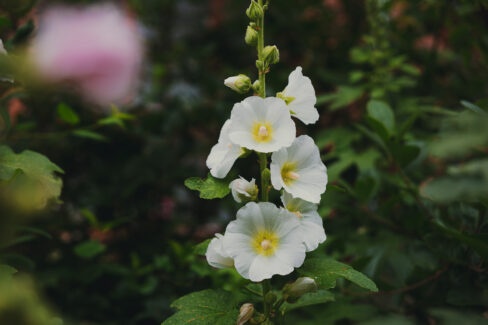
If you’re looking to add some serious height and old-school charm to your garden, hollyhocks are the way to go. But if you want to start them from scratch, there are a few tricks to getting those seeds to actually sprout. Don’t worry, though—once you know the secret, it’s a total breeze. Here’s the lowdown on how to get your hollyhocks started right.
Prepping Your Seeds for Success
First things first, you’re going to need some hollyhock seeds. You can grab a packet at the garden center, or if you have a neighbor with a beautiful garden, you can harvest them yourself once the blooming season wraps up. But here’s the catch: if you’re harvesting fresh seeds, you can’t just toss them straight into the dirt. They need something called “stratification.”
In the wild, these seeds spend all winter chilling out in the cold before they wake up in the spring. To get them ready for planting indoors, you have to mimic that winter nap.
Here’s how to prep your seeds:
- Let the seeds dry out completely in a warm spot in your house.
- Give them a “cold treatment” (a stint in the fridge works wonders).
- Keep them in a dark place until you’re ready to plant.
The most important thing to remember is that hollyhocks are “dark germinators.” This means they need total darkness to kickstart their growth. When you eventually plant them, you’ve got to make sure they’re tucked under the soil. If they’re just sitting on top catching the light, they’ll either take forever to sprout or just won’t grow at all.
How to Start Your Seedlings
Once your seeds are prepped, grab some seed-starting trays or small pots. Fill them with a high-quality seed-starting mix or any nutrient-rich substrate. A good tip is to mix your potting soil with a little compost to give them a boost. Just make sure the soil is nice and loose so it drains well, and ensure your pots have drainage holes at the bottom. Hollyhocks absolutely hate “wet feet” (soggy roots), so drainage is key from day one.
Now, poke the seeds about half an inch (one centimeter) deep into the soil. Place your pots in a bright, warm spot. Keep the soil consistently moist, but don’t overdo it—you want it damp, not soaking wet.
In about three weeks, you should start seeing those cute little green shoots popping up. Once the threat of frost has passed and the weather warms up, you’re all set to transplant them into your garden!