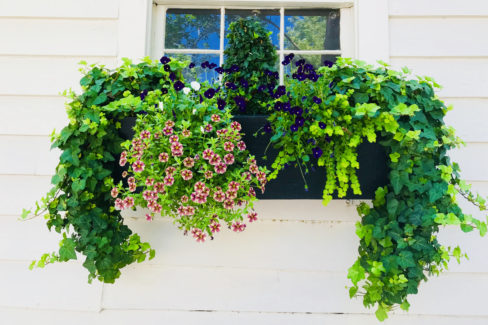
Ivy is a total powerhouse when it comes to growing in window boxes. It’s absolutely relentless, sending out feet of vines that will either climb toward the sky or drape beautifully down your balcony wall. But while it’s a tough plant, it’s not exactly “set it and forget it.” There are a few key things you need to keep in mind to keep your ivy happy.
Choosing the Right Box
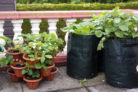
Technically, you can plant ivy in just about any container, as long as it has plenty of large drainage holes. Ivy is prone to root rot if it sits in soggy soil, which usually shows up as ugly brown spots on the leaves.
If you want your ivy to thrive in that box for years to come, go for something deep. As the plant matures, its root system gets more complex and needs that extra depth to really settle in.
Location: Shade is Your Friend
Ivy isn’t a big fan of the scorching sun. Even if you water it constantly, there’s a good chance it will dry out in direct heat. Classic green varieties love the shade, making them perfect for a north-facing balcony. If you have a variegated variety (the ones with white or yellow patterns), they’ll need about four hours of sun to keep their color—but stick to gentle morning or evening light.
Tips for Planting
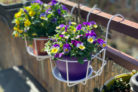
The best time to plant ivy is early spring or fall. You can fill a whole box with just ivy, or mix it with flowering plants for a more decorative look. Just make sure its “roommates” have similar needs, especially when it comes to liking the shade.
Use a loose, well-draining potting mix, and try to refresh it with new soil every spring. If you want your ivy to climb upward, make sure to provide a sturdy trellis right from the start.
Pro Tip:
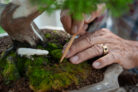
You can easily propagate ivy from a plant you already have by taking cuttings. It’s a super budget-friendly way to fill up a long window box!
Year-Round Care
Watering, fertilizing, and pruning—those are your “Big Three,” along with that annual soil refresh. Here’s a quick cheat sheet:
- Prune regularly to encourage bushier growth.
- Water all year round.
- Water more often in the summer; in the winter, water sparingly and only on frost-free days.
- Let the top layer of soil dry out before watering again.
- Fertilize with a universal plant food from March through August.
- Feed every two weeks, but use a much smaller dose than the bottle recommends.
- Skip the fertilizer for a few weeks after you’ve swapped in fresh soil.
Wintering Outdoors
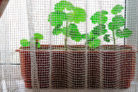
Since ivy is hardy, it can stay outside to overwinter. However, for the first few years, it’s a good idea to wrap your window box in garden fleece or burlap to protect the roots from the deep freeze.