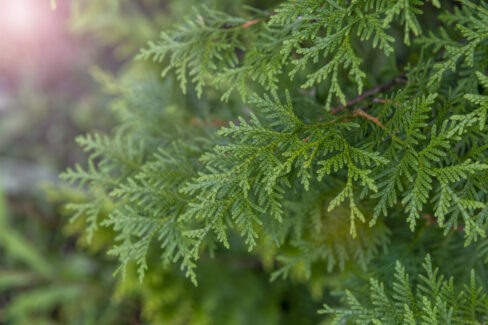
Thujas (or Arborvitae, as many of us call them) are generally known for being tough-as-nails evergreens. But even though they’re hardy, they aren’t totally bulletproof when it comes to fungal diseases. If you want to keep your hedge from turning into a row of brown sticks, you’ve got to act fast and know exactly what you’re up against.
How can you tell if your Arborvitae has a fungus?
To get your Thuja back to its lush, green self, you first need to play detective and identify the culprit. Here are the most common fungi that like to crash the party:
- Didymascella thujina (Needle Blight)
- Kabatina thujae (Tip Blight)
- Pestalotiopsis funerea (Twig Blight)
- Armillaria mellea (Honey Fungus/Root Rot)
Scaly patches and brown needles
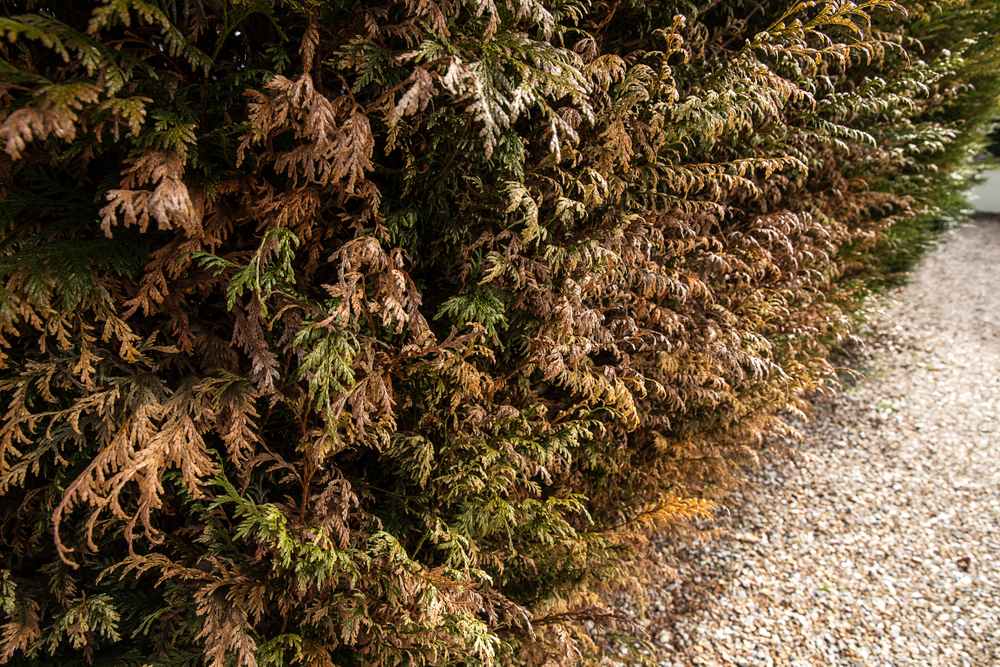
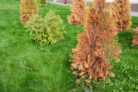
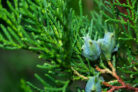
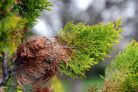
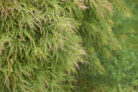
Both Didymascella thujina and Kabatina thujae cause what’s often called “needle blight.” It usually starts with tiny brown spots on the needles that look a bit scaly. Over time, these spots spread across the entire shoot, causing it to slowly die off.
Brown shoots with black spots
If you’re seeing brown tips that seem to be creeping further down the branch, you might be dealing with Pestalotiopsis funerea. As this fungus takes hold, you’ll start to see small black spots (fruiting bodies) forming. If you don’t step in, the whole branch is toast.
White growth under the bark
Armillaria mellea is the “big bad” of the fungus world and often leads to total tree failure. You’ll know it’s there if you peel back a bit of bark and find a white, fan-like fungal growth (mycelium) between the wood and the bark. It spreads incredibly fast and can take down an entire hedge before you know it.
How do you treat fungal diseases on Thuja?
If you catch the fungus early, you can often save the plant by aggressively pruning out the infected branches. Just a heads-up: never put those infected clippings in your compost pile! You need to bag them for the trash or burn them immediately so the spores don’t spread. If the infestation is too far gone, you might have no choice but to dig the tree out entirely. For something as serious as Armillaria mellea, you’ll want to reach for a fungicide at the very first sign of trouble.
At the end of the day, a healthy Thuja is your best defense. Happy, well-maintained trees can fight off infections much better than stressed ones. To keep your Arborvitae in tip-top shape, make sure you’re:
- Watering correctly (deep soaks are better than light sprinkles)
- Keeping the needles and trunks dry (avoid overhead watering)
- Fertilizing in moderation
- Pruning and thinning regularly to improve airflow