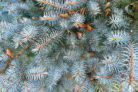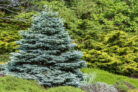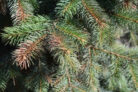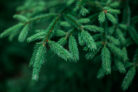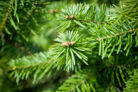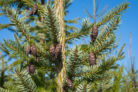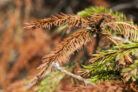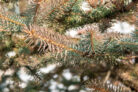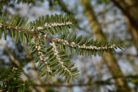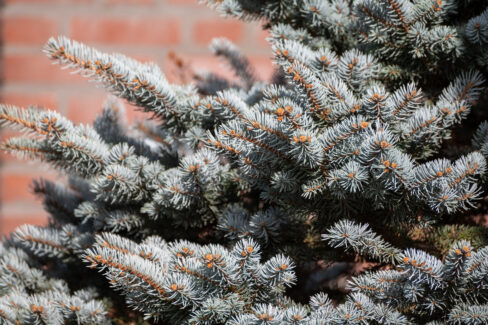
A healthy White Fir (also known as a Concolor Fir) can easily live for over 350 years. With its stunning, silvery needles, it really stands out compared to other evergreens in the yard. But what should you do if those beautiful needles start changing color? Let’s dive into the common diseases that can affect these trees and how to spot them.
Signs of Trouble
The best way to check on your White Fir’s health is by looking closely at the needles and the bark. If your tree is struggling, it’ll send out some pretty clear distress signals. Brittle needles or premature needle drop are major red flags, as are any unusual fungal spores growing on the branches.
Keep an eye out for these symptoms:
- Needles turning brown
- Pale green or yellowing needles
- Massive needle loss
- Webbing or fungal spores on the foliage
The most common culprits for a sick White Fir are Fir Broom Rust (often called “fir cancer” in Europe) and Botrytis (gray mold). With rust, you’ll notice the needles curling and turning yellow before they eventually drop off. Gray mold, on the other hand, usually shows up as white spores on the underside of the needles, sometimes accompanied by grayish-brown fungal threads.
How to Prevent Disease
Most diseases target trees that are already a bit stressed. That’s why the best defense is a good offense—making sure your tree is happy and well-cared for. By getting the basics right, like location and nutrients, you can prevent most issues before they start. Plus, a healthy, vibrant White Fir makes for a perfect Christmas tree!
Here’s your pro-tip checklist:
- These firs love slightly acidic soil.
- Give them a deep soak during long heatwaves.
- Make sure the soil drains well; they hate “wet feet” (standing water).
- Don’t go overboard with the fertilizer.
If your tree does get hit by a fungus, you might need to prune away the affected branches or consider a fungicide. Just a heads-up: be careful with sprays, as they can sometimes affect the surrounding ecosystem. The most important thing is to act fast! Catching it early stops the pathogen from spreading to the rest of your beautiful tree.