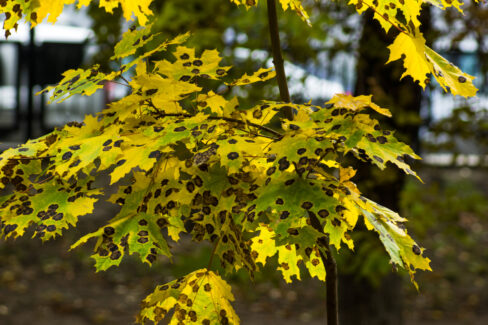
Maples are stunning, but here’s the truth: even our native species are surprisingly prone to getting sick. We’re not just talking about one or two issues; there’s a whole list of ailments that can plague a maple tree. Some are just cosmetic nuisances, while others can be a death sentence. Unfortunately, there often isn’t a “magic cure” in a bottle, so your best bet is usually damage control and prevention.
Common Maple Tree Diseases
- Maple Tar Spot
- Maple Canker
- Powdery Mildew
- Coral Spot
- Sooty Bark Disease
- Verticillium Wilt
Maple Tar Spot
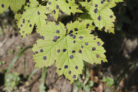
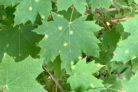
If you see shiny black spots on living leaves, you’re likely looking at Tar Spot. These spots are slightly raised and usually have a yellow ring around the edges. The infection actually starts in the spring from spores living on old, fallen leaves, but you won’t see the symptoms until late summer. While it looks alarming, it doesn’t usually kill the tree. There’s no direct chemical treatment, but you can help stop the cycle by raking up and disposing of fallen leaves immediately (burn them or put them in the trash—don’t compost them!) to prevent reinfection next year.
Maple Canker
This one is a slow burner; it can take years for those typical cancerous growths to appear. Maple Canker is considered incurable, though a tree can often live with it for many years. The real danger is structural—trunk rot can cause the tree to lean or even collapse unexpectedly. Keep a close eye on it, because you don’t want to miss the window for safely cutting it down before it becomes a hazard.
Powdery Mildew
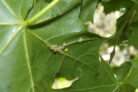
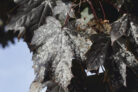
Powdery mildew is hard to miss—it looks like someone dusted the leaves with white flour. It’s rarely fatal to the maple, but it can weaken the tree, making it a magnet for aphids or other fungal infections. Here’s a pro tip: mix about a quart of water with half a cup of fresh milk and spray the tree. If you catch it early, this home remedy is surprisingly effective at chasing the mildew away.
Coral Spot
Coral Spot usually targets maples that are already stressed out from poor care. Don’t wait until winter to notice those tiny, pinhead-sized, bright orange-red fruiting bodies. Keep an eye out during the growing season for wilting leaves, weak new growth, bark discoloration, or canker-like bumps.
Since there aren’t any effective fungicides for this right now, your best move is to cut off the fungus’s “food supply.” On a mild, dry day in September (or by mid-October at the latest), prune the infected branches back until you hit healthy wood.
Sooty Bark Disease
Heads up: this one is dangerous for humans, too. If you inhale the spores, they can cause severe allergic reactions in your lungs. On the tree, look for these red flags:
- Dark, soot-like fungal coating on the bark
- Large patches of bark falling off
- Slime flux (oozing) on the trunk
- Dead tissue (cambium necrosis)
- Wilting leaves on specific branches
Eventually, the tree will die from this. If you have to cut it down, it needs to be done very carefully to avoid spreading a cloud of spores into the air.
Quick Tip:
The best defense is a good offense! Make sure your maple doesn’t suffer through long droughts. Trees that get enough water are much more resilient against Sooty Bark Disease.
Verticillium Wilt
This soil-borne pathogen enters through damaged roots and essentially “clogs” the tree’s plumbing, cutting off water and nutrients. You’ll see parts of the canopy start to die off. Because it’s contagious and incurable, the tree usually needs to be removed entirely. You’ll also need to replace the soil in that spot before planting anything else.
Note: If your maple just has brown leaves, don’t panic—it’s rarely a disease. Usually, it’s just a sign that the tree is in the wrong spot or isn’t getting the right TLC.