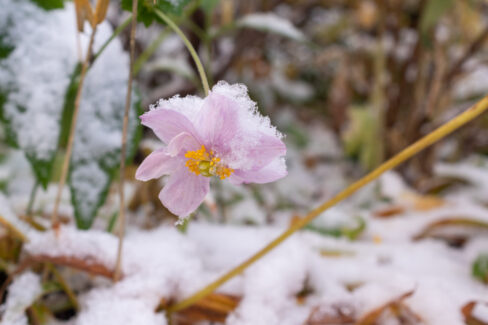
You’ll find all sorts of Anemones—often called Windflowers—gracing garden beds everywhere. Some varieties are permanent residents that stay put year-round, while others are more like seasonal guests that show up for the warmth and vanish when the chill sets in. Then, there are a few “rebels” whose supposed hardiness shouldn’t always be taken at face value.
Frost Tolerance of Fall-Blooming Anemones
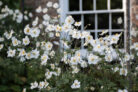
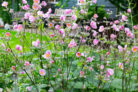
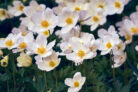
Fall Anemones have three main claims to fame: they bloom in autumn, they grow as perennials, and for the most part, they are quite hardy. In fact, once they’re established, their winter hardiness is excellent, and they’ll breeze through to spring without much help. The keyword here, though, is “established.” This doesn’t necessarily apply to young plants started from seed or division—which includes most of the ones you’ll find at the local garden center.
Helping Your Anemones Survive the Chill
If you’ve started new plants from seed during the year, it’s best to let them spend their first winter indoors in a bright, cool, frost-free spot. The same goes for divisions: if you divide your plants in the fall rather than the spring, those new sections should spend their first winter in pots indoors.
Pro tip: Always try to plant your Fall Anemones in the spring. If you plant them in autumn, they usually don’t have enough warm days left to get their roots settled before the ground freezes. For the first two or three winters after planting, it’s a good idea to give them some extra cover. Skip the pine branches, though—as they drop needles, they can make the soil too acidic for the anemones’ liking. Instead, try these:
- Brushwood or twigs
- Dry leaves
- Straw
Quick Tip:
Make sure whatever mulch you use is bone-dry to avoid any risk of rot. Also, leave the old foliage on the plant until spring; it acts as a natural winter coat. Wait to prune it back until just before the new growth starts peeking through.
Delicate Spring Anemones Aren’t Fans of Frost
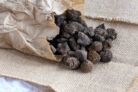
Spring Anemones, which grow from bulbs or tubers, often lack the winter hardiness we need in colder climates. For these beauties, the rule of thumb is: out to the garden in spring, back inside for the fall. Here’s the game plan for a successful overwintering:
- Dig them up in October.
- Clear away any withered leaves.
- Store them in a dark, dry, and cool place.
- Bring them out of storage for planting in late March or early April.
A heads-up:
Even if bulbs are labeled as “hardy,” there’s no guarantee they’ll survive a truly deep freeze. To be safe, it’s always a smart move to dig them up in the fall or simply wait until spring to get them in the ground.