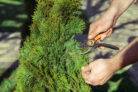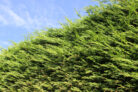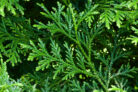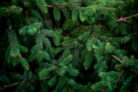
Ever stood in front of a conifer and wondered, “Is this a Cypress or a Thuja?” You’re definitely not alone! These two look so much alike that even seasoned gardeners sometimes do a double-take. But if you look closely, there are some cool little clues that give them away. Let’s break down how you can tell these two apart like a pro.
What’s the Difference Between a Cypress and a Thuja?
To the untrained eye, they’re just “green evergreens.” But if you know where to look, the differences are actually pretty neat. If you’re ever stuck, you can always snap a photo for a local pro, but here are the four main things to check:
- Needle shape and texture
- Scent
- Cones
- Winter color changes
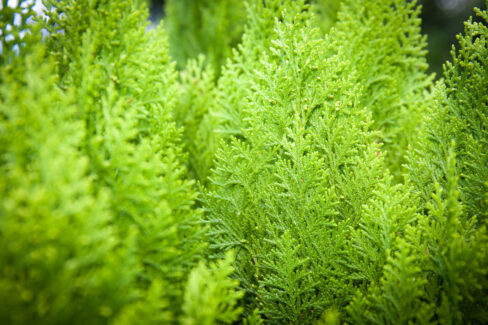
Thujas (also known as Arborvitae) generally have a slightly coarser, “chunkier” texture compared to the more delicate Cypress. Thujas also tend to be a bit darker, though that depends on the specific variety. For example, the Thuja Brabant is actually quite bright. One big giveaway? Thujas often shift their color slightly in the winter, getting a bit lighter or bronzed, while Cypresses usually hold their hue.
Here’s a fun trick: rub the needles between your fingers and take a sniff. A Thuja will give off that classic, foresty “evergreen” scent. A Cypress, on the other hand, usually has a lovely, light citrusy aroma.
Then there are the cones. Cypress cones are small, round, and come in shades of yellow, green, or blue. They’re “slow burners”—they stay on the tree for years, slowly turning woody before they finally open up. Thujas produce yellowish, elongated cones that turn woody and pop open much faster.
What Do Cypresses and Thujas Have in Common?
It’s no wonder people mix them up—they share a lot of the same DNA when it comes to their “vibe” and care needs. Here’s where they overlap:
- They are toxic (keep an eye on pets and kiddos!)
- They make fantastic privacy hedges
- They love similar spots in the yard
- They’re drama queens when they don’t get what they need
If you’re looking to plant a privacy screen, both are top-tier choices. Just keep in mind that both are toxic, so they might not be the best fit if you have little ones or curious pets running around. Both love a spot with full sun to partial shade. However, the Cypress is a bit more of a “diva”—it’s more sensitive to a bad location and needs a bit more fertilizer than the Thuja. If either plant is unhappy, they’ll let you know pretty quickly by developing brown tips.