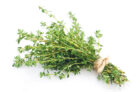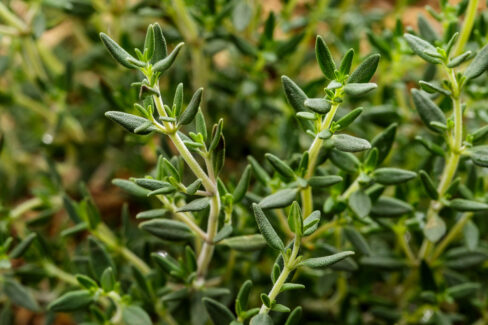
Thyme is one of those must-have Mediterranean herbs that belongs in every kitchen garden. It comes in a ton of different varieties, but did you know its history goes all the way back to ancient Egypt? Eventually, it made its way across the Alps and became a staple in gardens across the globe.
Where does thyme actually come from?
Common thyme is native to the sunny Mediterranean region of Europe. Its history is incredibly deep, stretching back to ancient Greece and the Roman Empire. Long before it was a favorite pizza topping, people valued thyme as a powerful medicinal herb and for its preservative properties. Back then, it was commonly used for:
- Treating respiratory issues
- Soothing stomach and digestive problems
- Preparing bodies for mummification
- Offerings during religious ceremonies
Ancient texts are full of different ways to prepare and use this versatile herb. Even in the Middle Ages, people swore by its healing powers—it was even placed in the beds of women in labor to help with childbirth. Eventually, the herb traveled north across the Alps. Records from the famous 12th-century herbalist Hildegard von Bingen show that thyme was already a well-known remedy in Central Europe by that time.
Thyme in the modern garden
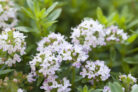
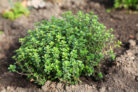
Today, there are over 200 different species of thyme! Thanks to globalization, it’s grown all over the world in places with Mediterranean or continental climates. In most backyard gardens, you’ll find common thyme with its lovely white or pink flowers (which are totally edible, by the way!). While wild varieties still carpet the Mediterranean hillsides, you’ll often find “creeping thyme” or wild thyme growing in the fields of cooler climates.
Thyme is a total rockstar in the garden because it thrives in spots where other herbs might struggle. It’s a hardy, foot-traffic tolerant perennial that pollinators like bees absolutely love. Plus, it’s super easy to preserve your harvest so you can use it all winter long—just freeze it, dry it, or infuse it in oil.