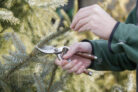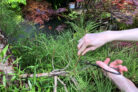
Most conifers can reach some pretty impressive heights over their lifetime. When a tree starts towering over the yard, many home gardeners are tempted to grab the shears and just lop off the top. But if you’re trying to control its height, “topping” a tree usually isn’t the best move.
Why People Consider Topping
Even though it’s not great for the tree’s look, there are times when shortening the top feels necessary—especially if the tree is growing way too fast or starting to look a bit unstable in high winds.
Cutting Back Can Actually Boost Growth
Here’s the kicker: cutting off the top often has the opposite effect of what you’d expect. Once a conifer is topped, it usually reacts by sending out super-aggressive new growth to compensate. Instead of one main leader, the tree will try to grow several new ones at once, all competing to be the new “top.” This adds a ton of weight to the upper canopy, making the branches unstable and much more likely to snap during a storm.
Timing is Everything
If you’ve decided that trimming the top is your only option, you need to be smart about the timing.
- Keep in mind that in many areas, there are local ordinances or wildlife protection laws (especially regarding nesting birds) that might restrict heavy pruning during the spring and summer.
- Always check with your local municipality or HOA before cutting back large, established trees, as some may require a permit.
Generally speaking, the best time for pruning conifers is in late winter, around February. The tree is still dormant, so there’s less sap flow, and you won’t damage any new buds. This allows the tree to recover and put out healthy new growth once spring hits.
The Pyramid Method
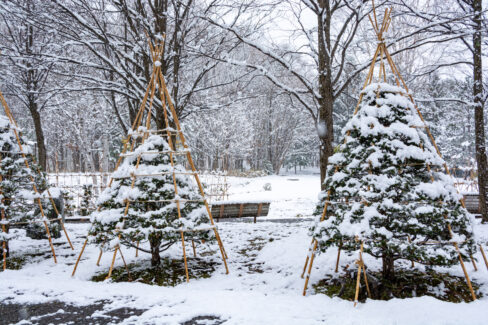
If you do remove the top, you’ll want to prune the rest of the tree into a pyramid shape to keep it looking natural. Start by taking the top down to your desired height, then work your way down the sides. Keep the upper branches shorter and let the bottom branches stay wider to maintain that classic evergreen silhouette.
Commit to Annual Maintenance
Once you cut the top off a conifer, the tree is going to keep trying to grow a new one. You’ll likely see several strong branches shooting upward, competing for the lead. To keep the tree looking good, you’ll need to make pruning an annual chore. Pick the strongest vertical branch to be the “new” leader and trim back the competing side shoots every year to keep things in balance.