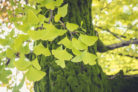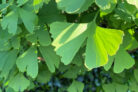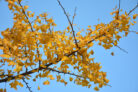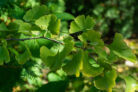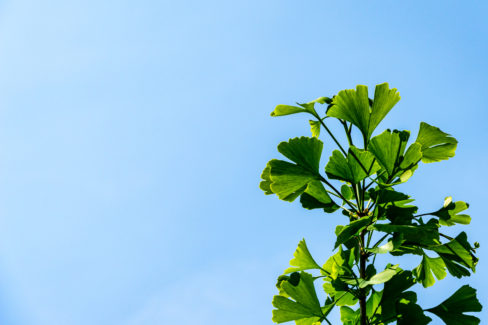
There are quite a few different varieties of Ginkgo trees out there, but most of them share one common trait: they love to reach for the sky! These beauties can tower up to 130 feet tall, which means at some point, you might find yourself needing to trim back the top to keep things under control.
Timing is Everything
If you’re planning on pruning your Ginkgo, spring is generally your best bet. Aim for late March or early April, once the threat of a hard frost has passed. The big perk of a spring prune is that the tree has already dropped its leaves for the winter. Without all that foliage in the way, it’s much easier to see the actual structure of the branches and decide exactly where to cut to shape a beautiful canopy.
Cutting Into Old Wood
If you have to take the top off a mature Ginkgo, you’re likely going to be cutting into “old wood.” This requires the right gear. Before you start, make sure your tools are clean and sterilized—you don’t want to accidentally introduce any diseases to your tree.
Your Toolkit:
- A sharp pruning saw
- Loppers
- Tree wound sealer (grafting wax)
- A sharp utility knife
- A sturdy ladder or climbing gear
When you’re making heavy cuts into old wood, it’s vital to seal the wounds immediately. If you’re using a saw, the edges of the cut can end up looking a bit ragged. Use your sharp knife to smooth out those frayed edges; it helps the wound heal better and makes it easier to apply the wax. Pro tip: trim off the smaller side branches from the section you’re removing first. It makes the heavy top piece much lighter and easier to handle when it finally comes down.
Consistency is Key
Topping a Ginkgo is a major surgery for the tree and takes a lot of its energy to recover from. The good news? You can avoid this drastic measure altogether with regular maintenance. Keeping up with pruning prevents the tree from becoming leggy or developing those premature yellow leaves deep inside the canopy where the light can’t reach.
During your annual “haircut,” keep an eye on the leader (the main top branch) and any aggressive side shoots. If they’re getting too long, nip them in the bud early. Trust me, a quick yearly trim is way less work than trying to fix an overgrown tree years down the line. Plus, regular pruning encourages healthy, vigorous new growth, giving your tree that perfectly balanced, iconic look we all love.