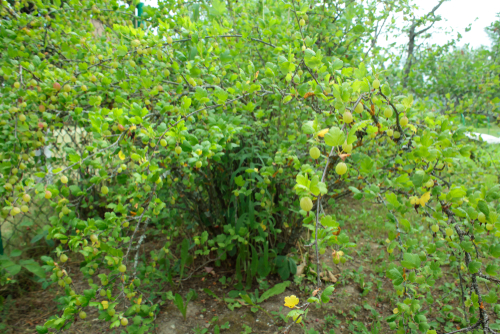
There are plenty of reasons why you might need to move a gooseberry bush. Maybe it’s outgrown its current spot, or perhaps it’s just not getting the light it needs to thrive. Whatever the reason, don’t worry—moving these shrubs is totally doable if you follow a few simple steps. Here is everything you need to know to get your gooseberry settled into its new home.
When is the best time to transplant gooseberries?
The great thing about gooseberry bushes is that they are pretty resilient, even after they’ve been in the ground for a few years. Older plants generally handle a move quite well, provided you time it right. The “sweet spot” for transplanting is during the winter months, specifically January or February. This is when the plant is in its dormant phase, meaning the sap isn’t flowing, and the shock to its system will be minimal.
Just a quick tip: keep an eye on the weather forecast. You’ll want to pick a day when the ground isn’t frozen solid. Avoid days with extreme freezing temperatures, and try to ensure there isn’t a massive cold snap predicted for the days immediately following the move.
How to transplant your gooseberry bush
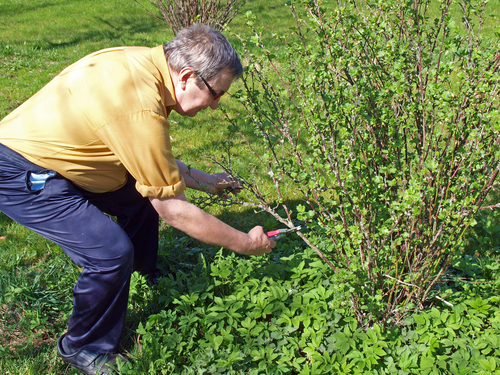
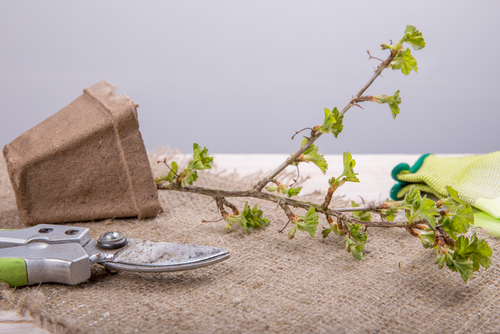
Before you grab your shovel, there’s one thing to keep in mind: when you dig up a gooseberry, you’re inevitably going to lose some of the root system. To help the plant cope with having fewer roots, you should give the branches a good pruning before the move. This balances things out so the remaining roots aren’t overwhelmed trying to support a massive bush.
It’s also a smart move to give the plant a deep watering a day or two before you start digging; this helps keep the root ball intact. Once you’re ready to go, follow these steps:
- Loosely tie the branches together with some twine so they stay out of your way (and save you from those thorns!).
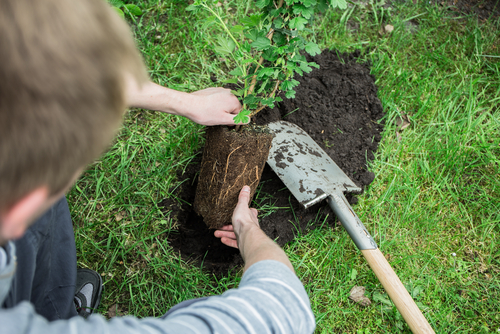
- Use a sharp spade to clear away the topsoil around the base until you can see the main roots.
- Dig around the entire root ball as widely as possible.
- Carefully pry the root ball loose from the soil.
You probably won’t be able to save the deepest taproots, and that’s okay—just snip them cleanly with your loppers. Once the bush is free, lift it out carefully and pop it into a wheelbarrow. You’ll want to work quickly here; the less time those roots spend exposed to the air, the better. Get it to its new planting spot right away.
Caring for your gooseberry after the move
Even if you do everything perfectly, moving is stressful for a plant! To help it bounce back, you’ll need to give it a little extra TLC. First, make sure its new home meets all the right criteria:
- Plenty of sun
- A warm spot
- Protection from harsh winds
To give it a head start, mix a healthy dose of compost into the soil to encourage new root growth. Adding a layer of mulch on top is a great way to keep the moisture in. Most importantly, keep that bush well-watered for the first few weeks while it gets established. Before you know it, your gooseberry will be right at home!