No one in their right mind would try to move a massive, centuries-old beech tree. But if you’ve got a younger one in your yard that needs a change of scenery, you might think, “Hey, I can handle this!” Just a heads-up, though: before you grab your shovel, you might be in for a bit of a “root awakening.”
Beech trees have seriously expansive root systems!
Beech trees are what we call “heart-rooters.” When they’re young, they send roots straight down into the depths. As they mature, they add a network of shallow roots that spread out wide in every direction. This combination of deep anchors and wide-reaching branches makes digging one up without damage a real challenge. Your chances of success are much higher the younger the tree is. For larger specimens, you’re looking at needing heavy machinery. If too many roots snap during the move, the tree might struggle to establish itself at its new location.
Quick Tip:
Hiring a pro to move a beech tree isn’t cheap, but they have the heavy-duty gear and the know-how to get it done right. If you’re dealing with an older tree, it’s definitely worth considering the investment to ensure your leafy friend survives the move.
When is the best time to transplant?
Timing is everything! You want to move your beech tree while it’s in its dormant phase and not putting energy into new growth.
- Aim for the fall.
- February is your absolute last-call deadline.
By March, the tree is already busy prepping new leaves and flowers, and it really doesn’t want to be disturbed.
How to get the job done
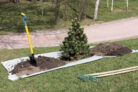
First things first: dig a nice, deep hole at the new spot and drive a sturdy support stake into the edge of it. Then, follow these steps:
- Give the tree a light pruning.
- Lay out a large tarp or burlap cloth next to the tree.
- Dig the tree out, being as careful as possible not to damage the roots. (This is a great time to call a friend for help!)
- Lift the root ball—soil and all—out of the ground and onto your cloth.
- Wrap the roots up to keep the soil intact and transport the tree to its new home.
- Set the tree into the new hole, making sure the roots aren’t bent or cramped.
- Fill the gaps with soil and gently tamp it down with your foot.
- Tie the trunk to your support stake to keep it steady while the roots take hold.
- Give it a good, long soak with water, but hold off on the fertilizer until next year.