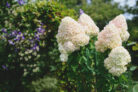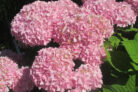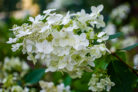
Bigleaf hydrangeas (also known as French hydrangeas) are pretty hardy shrubs, and they can reach an impressive six feet in height if they’re happy. But let’s be real: if you ever need to move one, it’s a bit of a workout! Good preparation is the secret to making sure your hydrangea survives the move without a hitch.
Can Bigleaf Hydrangeas Handle a Move?
In a perfect world, your hydrangea would stay in the same spot for its entire life—they aren’t exactly fans of moving day. The only real reason to move one is if its current home just isn’t working out, or if you’re doing a total garden makeover. However, if you prep correctly, these beauties are usually pretty resilient and will settle into their new home just fine.
Finding the Perfect New Spot
To make sure you don’t have to go through this whole process again in a couple of years, pick your new location carefully. You’re looking for a spot that’s sheltered from harsh winds and offers partial shade. If the soil is moist, rich in organic matter, and slightly acidic (low lime), your hydrangea is going to absolutely love it there.
The Best Time to Transplant
Unlike some other hydrangea varieties, Bigleaf hydrangeas do best when moved in the spring. The sweet spot is right after the ground has fully thawed. Try to pick a cloudy, overcast day for the big move. If it’s too sunny, the plant loses moisture much faster through its leaves, which just adds extra stress that it doesn’t need.
Moving Day: Step-by-Step
Before you even touch your shovel to dig up the hydrangea, get the new spot ready. Dig a hole that’s nice and wide—give those roots plenty of room to spread out. Mix some bark mulch or leaf compost into the soil you dug out to give it a nutrient boost. Only then should you dig up the hydrangea; you want it to spend as little time as possible out of the ground. Once it’s in its new home and planted, give it a really deep soak.
Quick Summary:
- Plan the move thoroughly.
- Best time: Early spring, as soon as the ground thaws.
- New location: Semi-shade, protected from wind, with loose, slightly acidic, humus-rich soil.
- Dig a generous planting hole.
- Amend the soil with bark mulch or leaf compost.
- Be gentle with the roots while digging.
- Water the plant thoroughly after transplanting.
Pro Tip: If your hydrangea has grown into a massive bush, you can actually propagate it by dividing the root ball during the move. It’s a great way to get two plants for the price of one!