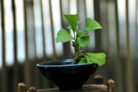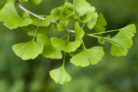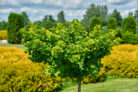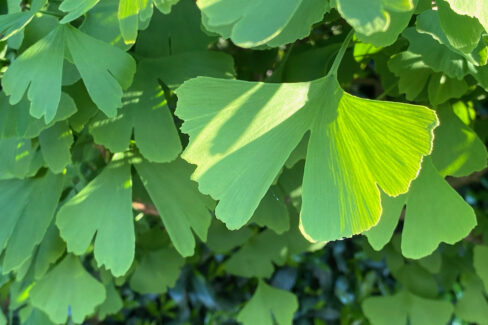
If you’re growing a Ginkgo tree in a container, you’ll want to give it a new home about every three years. If your tree has officially outgrown its pot, you can either upgrade to a larger size or find a permanent “forever home” for it out in the garden.
Timing
Technically, you can repot a Ginkgo year-round, but spring is really the sweet spot. The temperatures are mild, giving the tree plenty of time to establish its roots before the winter chill sets in. If you wait too long, you run a much higher risk of the tree suffering from frost damage.
A quick tip for transplanting in the yard: try to stick to trees that are under six feet tall. While you can repot older Ginkgos in containers, younger plants generally handle the move much better and bounce back faster.
Pot Size
When you’re moving a potted Ginkgo tree, it pays to think ahead with your pot choice. Picking a larger size now means you won’t have to disturb the roots or refresh the soil for another few years.
How to find the right size:
- Gently remove the tree from its current pot.
- Carefully brush away the old soil.
- Measure the length and width of the root ball.
Be extra gentle when clearing away the soil—those tiny, fine hair roots are delicate! Once you have your measurements, choose a pot that offers extra space on the sides and bottom equal to at least half the size of the root ball. This gives your Ginkgo plenty of “elbow room” to grow undisturbed for a while.
Choosing a Spot in the Garden
Moving a Ginkgo from a pot to the ground (or relocating a young tree already in the yard) can be a bit of a project. To make sure it survives the move unscathed, look for an open, prominent location. Ginkgos are stunning ornamental trees, and they really shine when they’re allowed to be the centerpiece of the landscape.
If you’re digging up a tree that’s already in the ground, make sure to dig a wide circle around it. Those fine hair roots that soak up water and nutrients are mostly on the outer edges of the root system, so you want to keep as many intact as possible.
The Right Soil
Ginkgos aren’t particularly picky about their soil, but they do have one deal-breaker: “wet feet.” They absolutely hate standing water. If you’re planting in a pot, mix some sand or coarse gravel into your potting soil to help it drain. Adding a layer of expanded clay pebbles at the bottom for drainage is also a great move. Standard potting soil works fine, but a mix of compost and garden soil is also a winner.
For garden planting, make sure the soil stays well-aerated. If you’re dealing with heavy, compacted clay, it’s a smart idea to add a drainage layer of gravel or clay pebbles at the bottom of the planting hole to keep things moving.