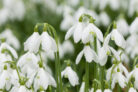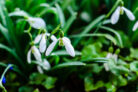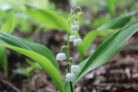
Snowdrops are incredibly tough little guys and don’t mind the cold one bit. They’ll actually push their shoots right through a blanket of snow as soon as temperatures hover just above freezing. The friction from the growing stem melts the surrounding snow, giving the plant a nice drink of water so those iconic white blooms can open up. If you’ve been thinking about moving yours, now is actually the perfect time!
Transplanting Your Snowdrops
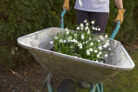
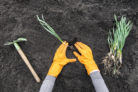
Since snowdrops have a pretty short growing season, the best time to move them is while they are still in bloom. Just make sure the ground isn’t frozen solid and the plant hasn’t started to wither away yet. Here’s how to do it right:
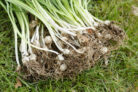
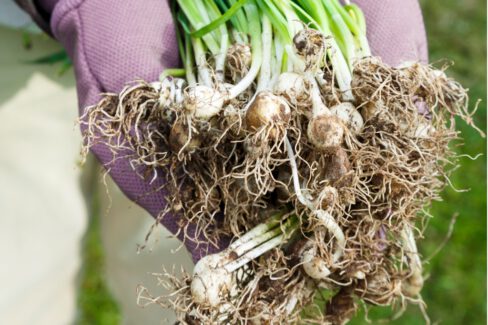
- Use a garden fork to gently lift the bulbs out of the soil.
- Whatever you do, don’t prune the plant! The bulb needs to soak up all the nutrients from those dying leaves to store energy for next year.
- Gently pull the bulbs apart and separate any “offsets” (baby bulbs) if you want to propagate them.
- Dig new holes in a spot that suits their needs.
- Plant the bulbs about 2.5 inches (6 cm) deep.
- I always recommend planting them in clusters of five—snowdrops look much more natural and attractive in little groups rather than standing alone.
- Plant those baby offset bulbs separately to start a new patch.
- Fill the holes back in, press the soil down firmly, and give them a light watering.
You *could* try moving them in the fall, but it’s a bit of a headache. Once they go dormant after blooming, the bulbs are nearly impossible to find in the dirt unless you marked the spot perfectly. Plus, the bulbs are usually “spent” after flowering and haven’t finished recharging their nutrient reserves yet. It’s always a gamble whether fall-transplanted bulbs will actually take.
Finding the Perfect Spot
Snowdrops love partial to full shade, making them perfect for planting under deciduous trees or shrubs. It’s important that these “neighbor” plants lose their leaves in the fall so the snowdrops can soak up that weak winter sun. They also prefer to be left alone—the less foot traffic, the better they’ll grow! Great spots include the edges of woodlands or hedges, near large trees, or tucked away by a rain barrel. Just steer clear of pine trees or other evergreens; snowdrops aren’t fans of the acidic soil that needles create.