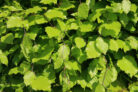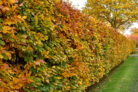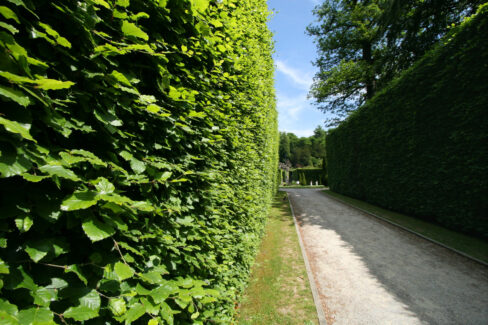
Whether you’re planning a total backyard makeover or your beech hedge has just seen better days, sometimes there’s only one thing left to do: rip it out! To do it right, you’ll need to dig the trees out completely—especially if you’re planning on planting something new in that same spot.
Can you save your beech hedge?
If your hedge has only been in the ground for a short time, you might be able to dig it up carefully and save the plants. Young beech trees can often be successfully transplanted to a new home in your yard.
However, the older a beech hedge gets, the harder it is to move it without causing serious damage. For long, established hedges, you’re likely going to need some heavy machinery—like an excavator—to get the job done.
How to tackle the removal
Older trees generally won’t survive a move because their root systems are just too intertwined and extensive to dig up intact. If you want to plant a fresh new hedge or other greenery, you’ve got to clear out every bit of those old roots first.
To remove your beech hedge like a pro, follow these steps:
- Cut the hedge down significantly to make it manageable.
- Use a spade to cut through the root circle around each plant.
- Dig out the main stumps.
- Clear out as many remaining root fragments from the soil as possible.
Beech trees aren’t known for being super deep-rooted, but they sure do love to spread out! Depending on the age of the tree, you might find roots stretching out over six feet away from the trunk.
To get the whole system out, plan on digging down at least 20 inches—and even deeper for older hedges. If you’re dealing with a long stretch of hedge, I definitely recommend renting a small excavator or calling in some professional help to save your back!
Letting nature take its course
If you’re removing the hedge just for the look and don’t need the space for new plants right away, you can actually let the roots rot in place. It’s a bit less work upfront!
Here’s the best way to do it:
- Cut the trees down flush with the ground.
- Use a drill or a similar tool to make several holes deep into the stump and root crown.
- Fill those holes with compost. This speeds up the decomposition process, eventually turning the old root system into natural fertilizer for your soil.