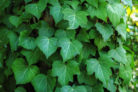
English ivy is a real survivor—it can live for up to 500 years! Ideally, it would spend its entire life in one cozy spot, but sometimes life happens and you need to move it. Just a heads-up: transplanting ivy isn’t exactly a walk in the park.
Ivy runs deep and holds on tight
The older and more lush your ivy (scientifically known as *Hedera*) gets, the harder it is to move. Over time, those roots can reach up to 24 inches deep into the soil. Digging it up becomes a bit of a workout because you want to keep as many roots intact as possible. After all, the plant needs those roots to settle into its new home.
Plus, ivy develops countless aerial roots along its vines to grip onto its climbing support. When you pull it away, you’re bound to break some of those grippers or even snap a few vines. Before you start, definitely double-check if moving it is absolutely necessary!
When is the best time to transplant?
Once ivy hits about 10 years old, it reaches its adult phase and can handle the sun a bit better. While you can technically move it any day the ground isn’t frozen, pros usually recommend early spring or fall. Summer is just too stressful with the heat, and you’ll find yourself constantly hovering over it with a watering can.
How to transplant your ivy
- Loosen up the soil at the new location.
- If your soil is heavy, mix in some sand or gravel for drainage.
- If the soil is looking a bit thin, boost it with some mature compost.
- Dig a planting hole that is both wide and deep.
- If you want the ivy to climb, make sure your trellis or support is ready to go before you plant.
- Give the ivy a radical pruning first—it makes the transition easier.
- Carefully dig the plant out of the ground.
- Plant the ivy in its new home.
- Gently tamp down the soil with your foot.
- Give it a good, long drink of water.
Pro Tip:
If you’re looking to propagate more ivy, don’t just toss those trimmings! You can easily turn them into cuttings to start new plants.
Aftercare: Keeping your ivy happy
During that first year after the move, even hardy ivy needs a little extra TLC:
- Water regularly, but make sure it’s not sitting in a puddle.
- If it’s a tall variety, tie it to its support at first to help it get its bearings.
- Provide some shade during the hottest part of the day if it’s very sunny.
- If you plant in the fall, protect the roots from frost with a thick layer of mulch.