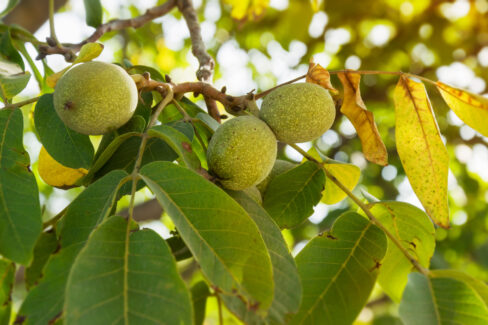
Walnut trees are known for being tough and resilient, but even these garden giants have their bad days. Under the right conditions, pests and fungi can move in and start causing trouble. The good news? Signs of a fungal infection are usually pretty easy to spot if you know what to look for—and once you see them, acting fast is key.
Common Fungal Diseases
Fungal infections are actually among the most frequent diseases you’ll run into with walnut trees. Depending on which fungus has taken up residence, you might see a few different issues, such as:
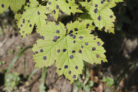
- Anthracnose (Marssonina leaf spot)
- Bacterial blight (while technically bacterial, it often appears alongside fungal issues)
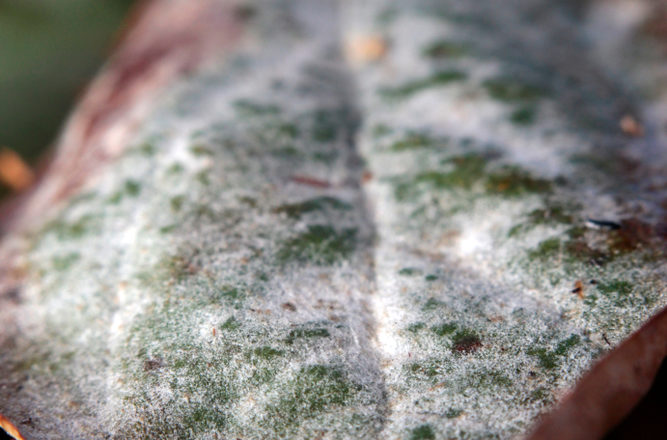
- Powdery mildew
The Usual Suspects
There are a handful of specific fungi that love to target walnut trees. Some of the most common ones include:
- Honey fungus (Armillaria)
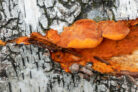
- Chicken of the woods (Sulphur polypore)
- Shaggy bracket
- Dryad’s saddle (Scaly polypore)
- Giant polypore
Symptoms of a Fungal Infection
With so many different types of fungi out there, it can be tricky to pin down exactly which one you’re dealing with. However, if your tree is showing these symptoms, there’s a good chance a fungus is the culprit:
- Green leaves turning yellow or brown.
- Leaves curling up or looking deformed.
- Foliage drying out and dropping prematurely.
- New growth looking weak and spindly, or stopping altogether.
- Green twigs appearing limp or lifeless.
- A strange coating or “film” forming on the leaves or branches.
- Nuts failing to develop or falling off before they’re ripe.
- The entire canopy looking noticeably thinner.
How to Treat a Fungal Infection
The good news is that many of these issues can be managed with fungicides from your local garden center. Beyond that, your best bet is to grab your shears and prune away any infected parts of the tree. Don’t be afraid to be a bit aggressive here—sometimes a hard prune is exactly what the tree needs to bounce back.
One golden rule: never leave those infected clippings or fallen leaves lying around the yard. Pick them up and toss them in the trash, not the compost pile! This prevents the spores from spreading back to your walnut tree or jumping over to your other garden favorites.
Dealing with Tree Brackets (Conks)
Sometimes you’ll see large, shelf-like mushrooms growing directly out of the bark. While these “conks” aren’t always a death sentence for the tree, you should still remove them to keep the fungus from spreading further.
After you pop the mushroom off, try a little “scratch test” on the bark with a sharp knife. If you see healthy green tissue underneath, your tree is still going strong. But if the wood underneath is dried out or has turned a sickly yellow-green, the fungus may have already made its way deep into the heart of the tree.