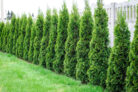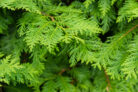
To keep your Arborvitae (Thuja) looking its best, you’ve got to find that “Goldilocks” zone—not too dry, but not soaking wet either. Whether you’ve got a single specimen tree or a long privacy hedge, getting the hydration right is key. Let’s dive into how to water these evergreens the right way.
What’s the Secret to Watering Arborvitae?
Even though Arborvitae are generally low-maintenance, they can be a little picky about their water intake. You want to make sure the soil never completely dries out, but you also don’t want the roots sitting in a swamp. If you start seeing brown tips, that’s your plant’s way of telling you something is off. Ironically, those brown needles can be a sign of both extreme drought and root rot caused by standing water. If you can, use collected rainwater; if you’re using the tap, try to ensure it’s not too “hard” or high in lime.
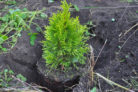
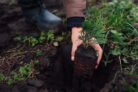
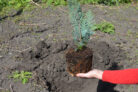
Young trees are especially sensitive. For the first two years after planting, you really need to stay on top of their watering schedule. Once they’re established, they’re much tougher, and you’ll usually only need to grab the hose during dry spells. However, if you have an Arborvitae in a pot, it’s a different story—container soil dries out fast, so these need regular watering. Just make sure your pot has great drainage so the roots don’t drown.
The Consequences of Watering Mistakes
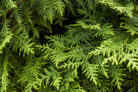
If your tree starts turning brown, it’s a clear SOS signal that it needs a change in its care routine. However, browning can be caused by a few different things, such as:
- Drought stress
- Root rot
- Over-fertilizing
- Nutrient deficiencies
- Sunburn
On the other hand, yellow needles usually point toward a magnesium deficiency, which is worth looking into. At the end of the day, a healthy tree is much more resistant to diseases. Keep in mind that overly soggy conditions are basically an open invitation for fungal growth.
When is the Best Time to Water?
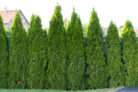
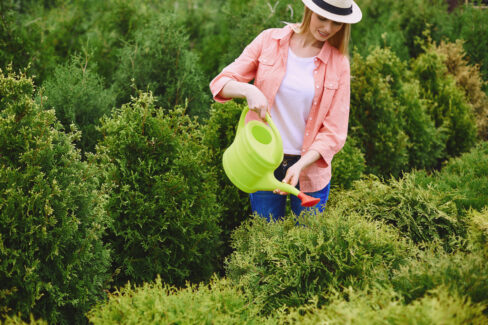
Timing is everything! The best time to water your Arborvitae is early in the morning. If you water during the heat of the afternoon sun, you risk “burning” the foliage. If you water late at night, the needles stay damp too long, creating the perfect breeding ground for fungi—especially in thick, dense hedges where airflow is limited. Pro tip: Aim your hose at the base of the plant. Watering the soil directly rather than spraying the foliage helps keep the needles dry and the plant healthy.