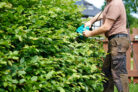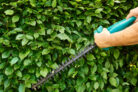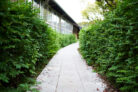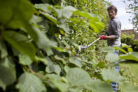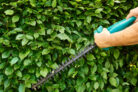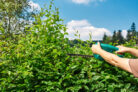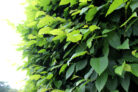
European beech hedges are super vigorous growers and can really pack on the height and width over a single season. To keep them looking their best, I usually recommend two pruning sessions a year. You can actually get started as early as February!
When’s the best time to prune?
If you want to keep your beech hedge from taking over the yard, it’s best to get that first trim in before the new spring growth starts. Depending on your local weather, this usually happens in February or March. Just make sure the temperature isn’t dipping below 40°F (5°C), or those fresh cuts might get damaged by the cold.
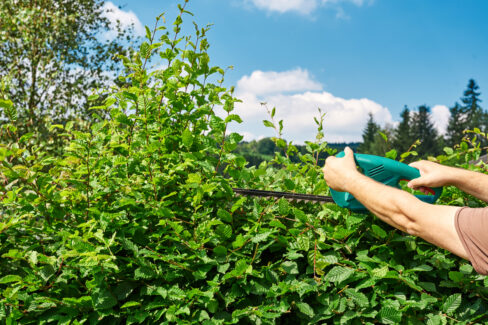
The second round happens between June and August. By this time, the main growth spurt is winding down. Pick a mild, overcast, and dry day for this. This is the perfect time to clear out any sickly or damaged branches and tidy up the overall shape.
Spring is for the “Big Chop”
Every once in a while, especially with older hedges, you’ve got to be a little more aggressive. This is when you clear out old wood, dead branches, and any messy inner growth. Don’t be afraid to cut back into the older wood—beech is tough! Just make sure to leave at least three “eyes” (buds) on the branch so it can sprout new growth. This really helps rejuvenate the whole hedge.
The Summer Trim
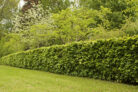
Around late June (traditionally after St. John’s Day on June 24th), you can give your hedge its second haircut. This is more of a “light maintenance” trim to keep the height and width in check. Pro tip: Always trim so the hedge is slightly narrower at the top than at the bottom. This “tapered” look ensures sunlight reaches the lower branches so they don’t go bald!
Before you start hacking away, though, double-check for any nesting birds. If you find a nest, either prune carefully around it or wait until the fledglings have flown the coop. Also, try to wrap up your pruning by late August. Cutting too late in the season encourages new growth that won’t have time to harden off before the first frost.
Picking the Perfect Day
Timing your pruning with the weather makes a huge difference:
- Avoid rainy days.
- Make sure it’s at least 40°F to protect the cuts.
- Aim for an overcast sky; intense, direct sun can actually “sunburn” the freshly cut edges.
- Don’t forget to give your hedge a good drink of water once you’re finished!