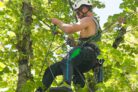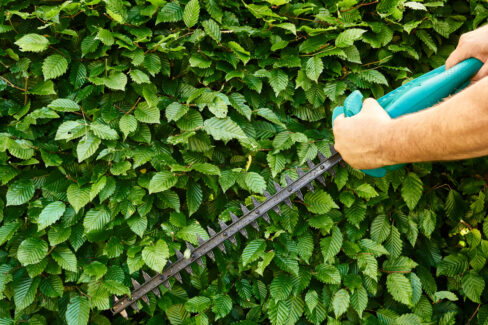
Beech trees are surprisingly resilient when it comes to pruning, but here’s the good news: most of the time, you can just put the shears away! If your beech has the perfect spot and plenty of room to stretch its limbs, it’ll naturally maintain a gorgeous canopy all on its own. However, if you do need to tidy things up, a little bit of know-how goes a long way.
The Best Time to Prune
Beech trees start waking up in April—or even as early as March if it’s a warm spring—pushing out new leaves and blossoms. During this time, the sap is flowing heavily. If you do heavy pruning now, the tree can “bleed” sap, which isn’t great for its health. Your best bet is to handle major cuts during the winter, ideally on a frost-free day in February.
If you just need to do some light touch-ups or remove thin branches, July is a great secondary window. Just a heads-up: always check for nesting birds before you start clipping in the summer. If you see a nest, let the birds have their peace and wait until they’ve moved on.
Of course, if your tree is looking sick or dealing with pests, a quick trim might be exactly what it needs to recover. In those cases, don’t wait for the “perfect” season—grab your tools and help the tree out right away.
How to Prune Your Beech
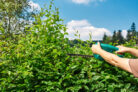
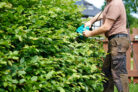
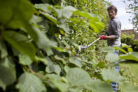
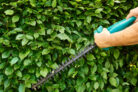
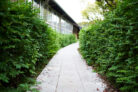
If you’re growing a beech hedge, the goal is pretty clear: keep it tidy. Aim for a slightly conical shape (narrower at the top than the bottom) so sunlight reaches the lower branches. But if you have a free-standing tree and want to thin out the canopy, it takes a bit more of an artistic eye. Here’s my go-to checklist:
- Take a step back and look at the crown from all sides.
- Shorten any branches that are sticking out awkwardly or disrupting the shape.
- Always cut back to a side branch.
- Make sure that side branch is pointing outward, away from the center of the tree.
By following these steps, the tree will fill back in quickly, and those cut marks will disappear before you know it.
Don’t Overdo It!
Those delicate leaves and branches are the tree’s “solar panels”—they’re vital for its nutrition. Because of this, you should never take more than about 8 feet (2.5 meters) off the canopy at once. Cutting back too aggressively also exposes the trunk to direct sunlight. Since beech trees have notoriously thin bark, they can actually get a “sunburn,” which can cause long-term damage.
If you need to significantly reduce the size of a large tree, it’s best to play the long game. Break the job into smaller chunks and tackle them over several consecutive years.
Pro Tip:
For larger cuts, consider using a commercial pruning sealer (often called “artificial bark”). This acts like a bandage, preventing fungi from moving in and causing diseases while the tree heals.