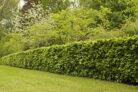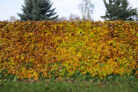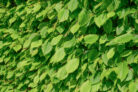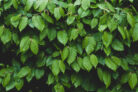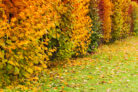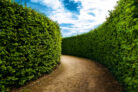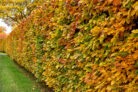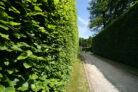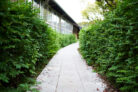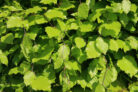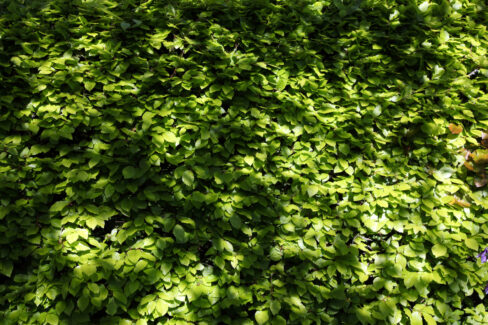
If you’re planning to add a beech hedge to your yard, timing is everything. Picking the right moment to plant will save you a lot of money and frustration down the road, ensuring those young saplings actually take root and thrive. Here are my top tips on the best planting window and how many trees you’ll need to get that lush, green look.
Fall is the Sweet Spot for Planting
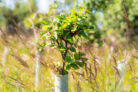
For most hedges and shrubs, the best time to get them in the ground is right after summer. During the fall, the soil is naturally moist, which is exactly what those delicate young root systems need to keep from drying out. Late fall is especially perfect for “bare-root” beeches or any little trees you’ve propagated yourself.
When you head to the nursery, you’ll usually see two options: bare-root trees or root balls (balled and burlapped). Bare-root means the plants are sold without any extra soil around the roots. Because they’re easier to transport, bare-root beeches are definitely the most budget-friendly way to go.
If you miss the fall window, you can plant in the spring as a backup, but you have to be careful. Wait for a day that’s completely frost-free, and be prepared to water them frequently. Just make sure the soil drains well—you don’t want your new hedge sitting in soggy “wet feet.”
How Many Trees Do You Actually Need?
When you’re shopping, the size of the saplings will give you a good idea of how many you’ll need for a solid, privacy hedge.
It also comes down to how much patience you have! If you want a thick, tall wall of green as fast as possible, you’ll need to plant them closer together. If you’re okay with waiting a few seasons for it to fill in, you can space them out a bit more.
The Magic Number: Spacing Your Hedge
For a healthy hedge, you generally want to keep about 20 inches (50 centimeters) between each plant.
Here’s a quick rule of thumb:
- For every yard of hedging, plan on using two young plants.
- If the saplings are very small and you’re in a hurry for privacy, you can plant up to four per yard. Just keep in mind that in a few years, you’ll likely need to thin them out by removing every second tree. This gives the remaining ones enough elbow room to stay healthy and strong.
One last thing to remember: if you go with the more affordable bare-root option, just be prepared for it to take a little longer before the hedge is completely “peek-proof.”