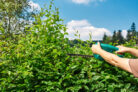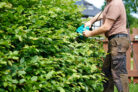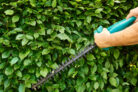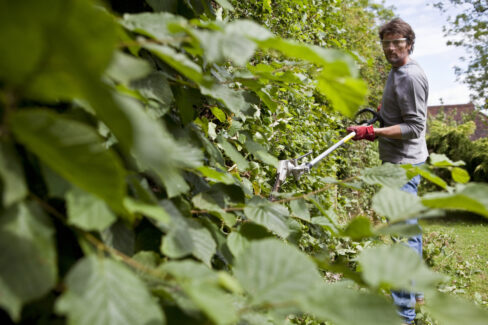
If you want a beech hedge that’s thick, healthy, and actually keeps the neighbors from peeking in, you’ve got to stay on top of your pruning game. To get that lush, manicured look, you really need to get out there with your tools twice a year. Regular trimming doesn’t just keep things tidy; it actually rejuvenates the plants and encourages new growth. However, you can’t just hack away whenever you feel like it. Here is the lowdown on when and how to prune your beech hedge for the best results.
Aim for Two Trims a Year
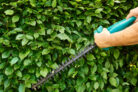
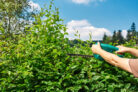
To encourage dense branching and keep your trees healthy, you should plan on pruning back twice a year. Your late winter or early spring session is the time for the “heavy lifting”—you can be pretty radical with the blade then. The second round happens in the summer and is more of a “haircut” to keep the shape looking sharp.
Mark these windows on your calendar:
- The First Cut: Done in late winter or early spring. This is your chance for a major structural prune or a hard cut-back.
- The Second Cut: Done in the summer. This is a maintenance trim to keep the hedge looking its best.
Of course, if you see any diseased or ugly branches, feel free to snip those off whenever you spot them. And if you’re looking to propagate your hedge, late summer is the perfect time to take cuttings.
Beeches are Tougher Than They Look
One of the best things about beech hedges is how well they handle a heavy pruning. You can actually cut back into the old wood without worrying about damaging the tree. If you’re planning a radical cut-back, try to get it done before the new buds start to pop. A dry, frost-free day in February is usually your best bet.
Just a heads-up: between March and September, you should avoid any heavy-duty hacking. That’s prime nesting season for birds, and we want to keep our feathered friends safe! Stick to light maintenance trims during the summer months—ideally after late June.
Use the Right Tools for the Job
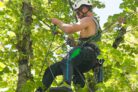
As a beech hedge matures, those branches get surprisingly thick and tough. A standard pair of hand pruners isn’t going to cut it (literally). You’ll want a sturdy garden saw to handle the thicker branches properly.
Whatever tool you choose, make sure it’s sharp! Sharp blades make the job way easier for you, but more importantly, they’re better for the tree. Clean cuts heal faster, whereas jagged, torn branches are an open invitation for diseases and pests to move in. A little tool maintenance goes a long way in keeping your hedge strong and vibrant.