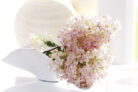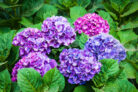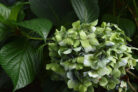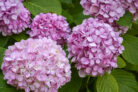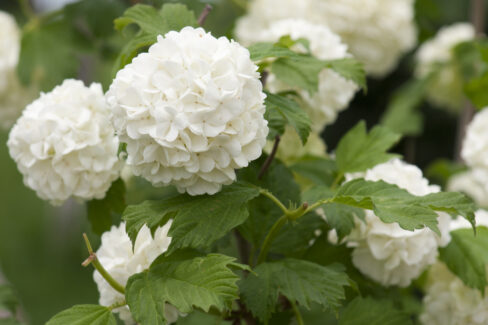
The oversized blooms of bigleaf hydrangeas are stunning in just about any color. But if you’re looking to use them as a specific design element in your garden, nothing beats the crisp, elegant look of a pure white variety.
Which varieties bloom in white?
While most bigleaf hydrangeas (Hydrangea macrophylla) lean toward pink or blue, there are some fantastic white cultivars out there. To keep the blooms on some varieties looking snowy white, you’ll want a neutral soil with a pH around 7.0. Otherwise, you might notice a very faint tint of pink or blue creeping in.
White-blooming hydrangea varieties to check out:
- Annabelle (Smooth Hydrangea): Okay, technically a different species, but a must-mention! It features massive white flower heads up to 10 inches across. They start out lime green before turning bright white. They bloom from late June through November and can even handle a sunny spot. They’re also my favorite for dried flower arrangements!
- Coco: This one has gorgeous double, pure white blooms from June to September. It’s happy in the shade and is super hardy down to -13°F.
- Hanabi: These have unique, star-shaped white flowers that bloom all summer long. They do great in shady spots and handle winter like a champ.
- Libelle: A beautiful lacecap variety with white outer petals and a center that can be pink or blue. It grows up to 6 feet tall and is very winter-hardy.
- Tricolor: These white blooms have a delicate hint of pink, but the real star is the variegated foliage (green with white and yellow splashes). It can even handle a bit more sun than your average hydrangea.
How do you keep the flowers white?
It’s totally normal for some hydrangeas to shift colors during their blooming season. You’ll often see green or pink tones in the buds or as the flowers begin to fade. Personally, I think these color shifts add a lot of character to the garden! But if you want a consistent look, it’s best to choose a variety known for staying true to its color.
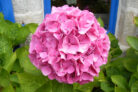
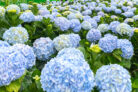
For blue or pink hydrangeas, the soil pH is everything (acidic soil gives you blue; alkaline gives you pink). You can tweak this using specific fertilizers. The same rule applies to some white varieties—for instance, with the “Libelle,” you can actually influence the color of those tiny inner florets!
Pro Tip: Whether you love the classic, round “mophead” look or the delicate, flat “lacecap” style, you can find both among the white-blooming varieties.