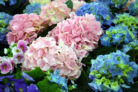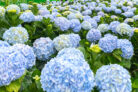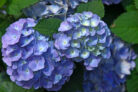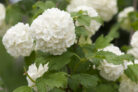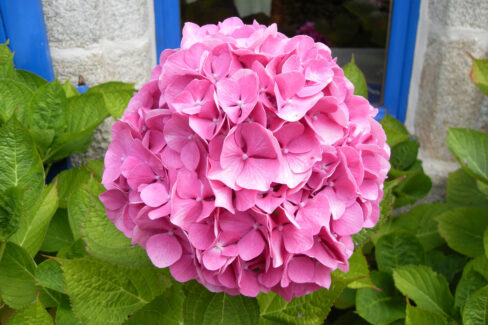
Hydrangeas are famous for their stunning blooms and low-maintenance vibes, so it’s no surprise they’re a staple in so many of our backyards. However, most varieties aren’t exactly sun-worshippers; they usually prefer a spot with some shade or dappled light. But don’t worry—if your garden is soaked in sunshine, you don’t have to miss out! You just need to pick the right variety.
Hydrangeas That Can Handle the Heat
Here’s a pro tip: sometimes you can judge a hydrangea’s sun tolerance just by its color. Generally, the darker the blooms, the better the plant handles a sunny location. If you’ve got a bright spot picked out, these are the varieties you should be looking for.
These varieties thrive even in intense sun:
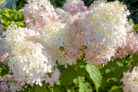
- Panicle Hydrangeas (like Pinky Winky, Grandiflora, or the classic Limelight)
- Oakleaf Hydrangeas (such as Snow Flake, Burgundy, or Harmony)
These varieties do well in sun, provided they get a little break during the scorching midday hours:
- Rough-leaved Hydrangea (Hydrangea aspera)
- Climbing Hydrangea (Hydrangea petiolaris)
Care Tips for Sunny Spots
If your hydrangea is out in the full sun, your main goal is to keep the soil from drying out. A great way to do this is by applying bark mulch or even a four-inch layer of grass clippings around the base. This helps lock in moisture so your “water bush” (the literal meaning of Hydrangea!) can drink up as much as it needs.
During the peak of summer, you might notice the leaves looking a bit wilty. Don’t panic! This is actually the plant’s way of protecting itself from losing too much water. However, if they stay droopy for too long, it’s time to intervene. If you have hydrangeas in pots, simply move them into the shade. For plants in the ground, you can temporarily drape them with a light cloth or bedsheet to give them a break from the rays.
Watering Your Sun-Loving Hydrangeas
When watering your hydrangeas, try to keep the water off the leaves and aim for the base of the plant. It’s best to water in the early morning or evening. During a heatwave, you’ll likely need to water twice a day. A large, established hydrangea can easily drink up to 13 gallons (50 liters) of water! As long as your soil drains well, the plant will soak it all up without getting “soggy feet.”