Propagating fig trees from cuttings is hands-down the easiest way to grow your own orchard. The best part? It’s super easy to check if your cuttings have rooted, and these young plants usually start popping out flowers and fruit much faster than trees grown from seed.
Cutting Your Scions
There are a few different ways to get your cuttings started. The absolute easiest method is to snip off suckers—those little shoots that grow out of the ground near the main trunk. Even if you’re training your fig as a standard tree, it’ll naturally try to push out new growth from the base. If this happens underground, those shoots often already have their own roots! After about two years, you can carefully detach these rooted “pups” and move them to their own spot.
Since those pre-rooted suckers aren’t always a guarantee, you’ll usually need to take manual cuttings. Tip cuttings are ideal, and you can easily save them from your spring pruning. Side shoots work great, too. Aim for “hardwood” or “semi-hardwood” cuttings that are at least 6 inches long. You want one-year-old growth that isn’t too woody or tough.
Getting Those Roots Growing
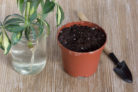
You can root your cuttings directly in soil, though it does take up a bit of shelf space.
Here’s how to plant them:
- Give the bottom of the cutting a fresh, diagonal snip.
- Strip off any leaves on the bottom third of the stem.
- Fill a pot with a high-quality seed-starting mix.
- Stick the cutting in.
- Give it a good drink of water.
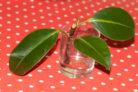
The key here is to never let the soil dry out while the roots are forming. If you’re short on space, you can also root them in a glass of water. Just make sure to swap out the water every two days to keep rot-causing bacteria at bay. The cool thing about the water method is that you can actually see the roots growing, so you’ll know exactly which ones are successful. Plus, once they have a solid root system, they tend to have a higher survival rate when they finally hit the dirt.
Aftercare
If you plant your cuttings directly into soil, consistent watering is your top priority. To help keep moisture in, you can create a mini-greenhouse by covering the pot with a clear plastic bag. Just remember to peek inside and let it breathe every now and then so you don’t end up with mold.
Usually, your cuttings will be well-rooted by fall. That’s the earliest you should think about transplanting them. However, I’d recommend letting your baby fig tree spend its first winter somewhere protected. Even so, go ahead and move it into a nutrient-rich potting soil before spring hits so it has plenty of fuel for that first big growth spurt!