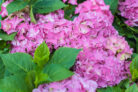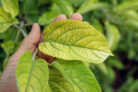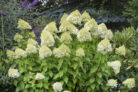
Even the most stunning hydrangea blooms eventually fade. But what if your newly planted hydrangea starts drooping, or you notice wilting despite your best efforts? Don’t worry—I’ve got you covered. Let’s dive into why your hydrangeas might be looking a little sad and how you can nurse them back to health.
Is the summer heat getting to them?
Hydrangeas aren’t exactly sun-worshippers. When they’re stuck in direct sunlight, their leaves lose moisture fast, causing those beautiful blooms to wilt. Even if you’ve planted yours in partial shade, a scorching summer day can still leave them looking a bit limp. If you notice your hydrangea drooping, the first thing to do is check the soil. If it feels dry to the touch, it’s time to give your hydrangea a good drink. Just keep a few tips in mind for the best results.
How to water wilting hydrangeas:
- Water early in the morning or later in the evening.
- Aim for the base of the plant; try to keep the water off the leaves.
- Use soft water (low in lime/calcium) whenever possible.
Could it be “wet feet” (waterlogging)?
Believe it or not, hydrangeas can actually wilt if the soil is *too* wet. Waterlogging is a real mood-killer for these plants because it messes with their natural nutrient intake. If the roots are constantly sitting in water, they’ll start to rot. When that happens, the leaves will droop, the plant will wilt, and it might even die if you don’t step in. Check the soil—if it’s soggy and has a bit of a swampy smell, you’ve got a problem. Your best bet is to transplant it into better-draining soil. Adding a drainage layer (like gravel or perlite) can help prevent this in the future.
The natural circle of life
Sometimes, wilting is just nature doing its thing. Once the blooming season winds down, the flowers will naturally fade. During the summer, it’s a great idea to deadhead these spent blooms. This way, the plant doesn’t waste energy on old flowers and can focus on growing new buds and keeping its stems and leaves healthy.
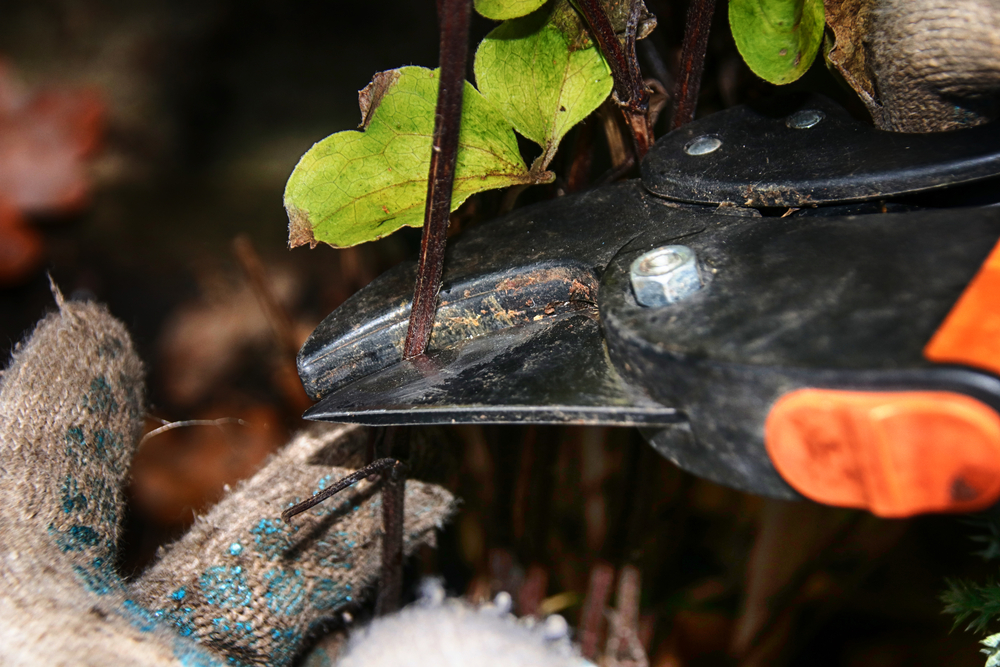
When deadheading in the summer, just snip the stem right below the flower head. However, for varieties that you typically prune in the spring, you should actually leave the dried flowers on the plant starting in the fall. Those old blooms act as a natural little blanket, protecting the plant from the winter chill!