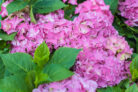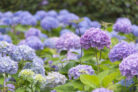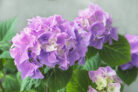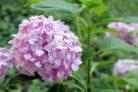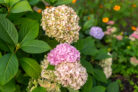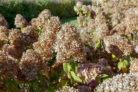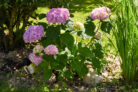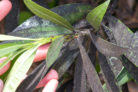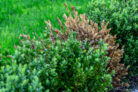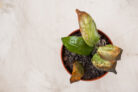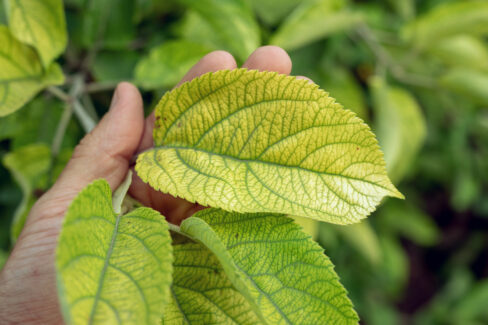
If you notice your hydrangea leaves developing brown spots or starting to look a bit crispy, don’t just brush it off! Unless it’s late fall and your plant is naturally getting ready for winter, those dry patches are usually a cry for help. It could be a simple care mistake or something a bit more serious. Here’s how to play plant detective and get your hydrangea back to its beautiful self.
Common culprits include:
- Not enough water
- Sunburn
- Pests
- Fungal infections
Is your hydrangea thirsty?
The name “Hydrangea” actually comes from the Greek word for water vessel, so it’s no surprise these plants are total water-lovers. They need a steady supply of moisture to keep those big, lush leaves and heavy blooms looking fresh. If the leaves are turning brown and brittle, check the soil first. If it feels bone-dry, you’ve found your problem. To nurse it back to health, give it a thorough watering. During those scorching summer heatwaves, you might even need to water both morning and evening to keep up.
Is it a case of sunburn?
Sometimes those dry leaves are actually a sign of a “sunburn.” Most hydrangea varieties much prefer a spot with partial shade or dappled sunlight rather than baking in the afternoon sun. If you’ve been keeping yours in a sunroom and just moved it outside, it needs time to toughen up against UV rays—try acclimating it to the sun gradually. Also, watch your technique: always water the soil at the base of the plant. Getting water on the leaves in direct sun can act like a magnifying glass and scorch the foliage.
Are spider mites moving in?
Pests are another possibility to look out for. Take a close look at the leaves—do you see tiny, delicate webs that look like miniature spiderwebs? If so, you’re likely dealing with a spider mite infestation. To kick these uninvited guests to the curb, try using a spray containing neem or rapeseed oil. If your plant is indoors or in a greenhouse, increasing the humidity can also help keep mites away.
Could it be a fungus?
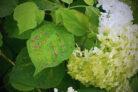
Leaf spot fungus is a common reason for those unsightly brown patches. With this type of fungal infection, the spots spread across the leaf, eventually causing the tissue to dry out and die. Your best bet is to prune away any infected leaves immediately and, if the problem persists, treat the plant with a fungicide. To prevent future issues, make sure you fertilize your hydrangea regularly; a well-fed plant has a much stronger “immune system” to fight off diseases!