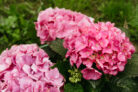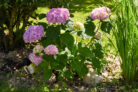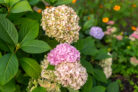
Hydrangeas are the crown jewels of many gardens, but it can be a total heartbreaker when those lush leaves and vibrant blooms suddenly start drooping. Sometimes, you might even notice the foliage turning a crispy brown. If your hydrangea looks like it’s on its last legs, don’t panic—you just need to act fast! Here’s the lowdown on how to troubleshoot the problem and get your plant back to its former glory.
Is Your Plant Thirsty?
If those gorgeous flower heads are wilting and bowing down, the most likely culprit is dehydration. Hydrangeas are notorious water-lovers (their name actually comes from the Greek word for “water vessel”!). If your plant is sitting in a spot that gets blasted by the afternoon sun, the soil can dry out faster than the plant can keep up. Those big, beautiful leaves evaporate moisture quickly, putting the plant under major stress. If you can’t move it to a shadier spot, you’ve got to be extra diligent with the garden hose.
How to keep your hydrangea hydrated:
- Give plants in sunny spots a deep, regular soak.
- Consider planting in large pots for better control.
- Make sure the water can drain (no soggy feet!).
- Use a layer of mulch to lock in soil moisture.
Is the Soil Waterlogged?
It sounds like a contradiction, but too much water can be just as deadly as too little. If your soil doesn’t drain well, the water just sits there, causing the roots to rot. When the roots are rotting, they can’t “breathe” or send nutrients up to the rest of the plant. Hydrangeas need loose, well-draining soil. If you’re dealing with heavy clay, try adding a drainage layer or some organic matter. If you suspect root rot is already happening, your best bet is to dig the plant up, trim away any mushy, damaged roots, and replant it in a better-draining location.
Frost Damage or Sunburn?
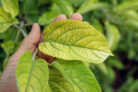
Sometimes the environment itself is the bully. Both late spring frosts and intense direct sunlight can cause a hydrangea to fail. If the leaves look scorched or bleached, it’s likely getting too much sun; a move to a part-shade area will do wonders. On the flip side, a sudden cold snap can zap new growth. To help a stressed plant recover, gently prune away any brown or dried-out leaves. This allows the plant to focus its energy on new, healthy growth rather than trying to save damaged foliage.