If you’ve noticed your climbing hydrangea looking a little crispy, don’t panic! There are a few different reasons why those leaves might be turning brown. Most of the time, it’s just a simple care mistake that’s easy to fix. These plants are actually pretty tough and resilient, so once you tweak your routine, they’ll usually bounce back in no time.
1. Cause: Thirsty Plants
One thing you need to know about climbing hydrangeas is that they are *thirsty*. In fact, their botanical name, *Hydrangea*, literally translates to “water vessel.” Without enough H2O, these beauties just can’t grow strong or stay healthy.
If your plant is running dry, you’ll usually see the tips of the leaves turn brown first. If it stays dry for a few days, the whole leaf will eventually wither away. To stop the wilting immediately, here’s what you should do:
- Give your hydrangea a deep soak right away using rainwater or filtered water (they aren’t big fans of hard tap water).
- Pour the water directly onto the root ball.
- Keep watering until a small puddle forms around the base of the plant.
This works great for hydrangeas in the ground, but if you have potted hydrangeas, try the “dunk method.” Submerge the entire root ball in a bucket of soft water and hold it under until the air bubbles stop rising to the surface.
2. Cause: Sunburn
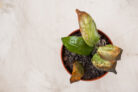
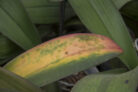
Climbing hydrangeas aren’t exactly sun worshippers. Direct afternoon sun or intense midday heat can actually scorch the foliage. You’ll recognize sunburn by yellowish or light brown patches on the leaves. If your plant is getting fried, try these tips:
- Move potted hydrangeas into the shade, or transplant garden plants to a spot with partial shade.
- If moving the plant isn’t an option, use a patio umbrella to provide some temporary relief.
- Don’t cut off the scorched leaves! Even if they look a bit ugly, the green parts of the leaf are still working hard to provide nutrients to the plant.
3. Cause: Leaf Spot Disease
Sometimes, brown spots are a sign of a fungal infection known as leaf spot disease. You can identify this by looking for yellowish spots with dark brown centers. If left alone, these spots grow until the whole leaf turns brown. To get it under control, follow these steps:
- Prune off all the infected leaves.
- Toss those leaves in the trash—don’t compost them, or the fungus might spread!
- If the plant is in a pot, move it away from your other plants to keep the infection from jumping.
- Treat the plant with a fungicide.
Leaf spot often happens when things get too soggy, like after a long stretch of rainy weather. Fungus loves sitting on wet leaves, so try to ensure your hydrangea has enough airflow to dry out quickly after a downpour.