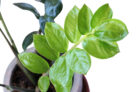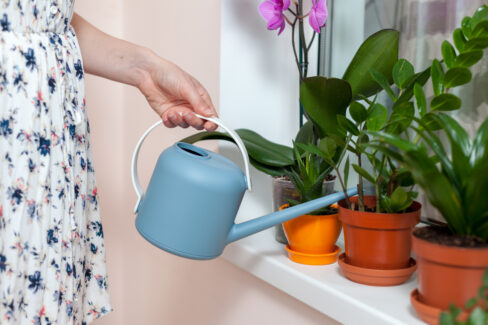
The ZZ plant (Zamioculcas zamiifolia) is a total rockstar of the indoor plant world, but even this low-maintenance beauty needs a little boost now and then. Since it’s living in a pot, it eventually uses up all the nutrients in the soil, so a regular feeding schedule is key to keeping those glossy leaves looking their best. You’ve got a few great options when it comes to picking a fertilizer.
Choosing the Right Fertilizer
When it’s time to feed your ZZ plant, you generally have two main paths to take. It really comes down to your personal gardening style:
- Liquid fertilizers (fast-acting)
- Slow-release fertilizers (long-term)
Liquid Fertilizers
Most quick-fix fertilizers come in liquid form. These are super easy to use—just mix them right into your watering can. The best part about liquid feed is that it doesn’t just sit on top of the soil; it soaks deep down into the substrate so the roots can soak up those nutrients immediately.
Slow-Release Fertilizers
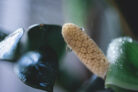
If you’re the “set it and forget it” type, slow-release fertilizers are your best friend. These usually come as spikes or granules that you tuck into the soil. They slowly break down over time, giving your plant a steady, continuous “snack” rather than one big meal.
Going Organic
While it’s not as common for indoor plants, you can definitely go the organic route. Mixing a little compost, humus, or expanded clay into the soil can provide a wonderful nutrient base. This is a fantastic option if you move your ZZ plant outside to the balcony or patio during the warm summer months.
When to Hold Off on Feeding
More isn’t always better! You should skip the fertilizer if your plant was recently repotted or if it’s currently dealing with pests or diseases. Young cuttings and babies also don’t need extra nutrients yet. Finally, give your plant a break during the fall and winter; it needs to rest during its dormant phase, so stop fertilizing once the days get shorter.
How to Fix Over-Fertilizing
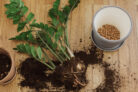
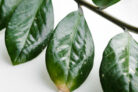
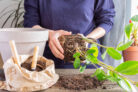
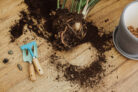
It happens to the best of us! If you overdo it, your ZZ plant will let you know by developing yellow or brown leaves or looking generally wilted. The best fix is to gently remove the plant from the “salty,” over-fertilized soil and move it into a fresh pot with new substrate. Hold off on any more fertilizer for several weeks and just stick to a regular watering routine until it bounces back.