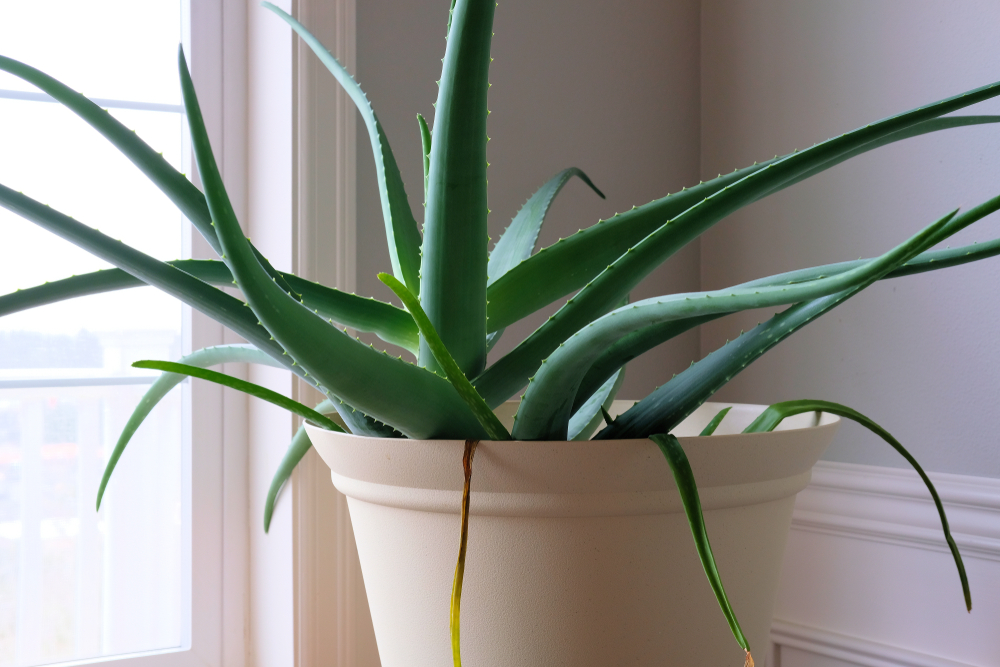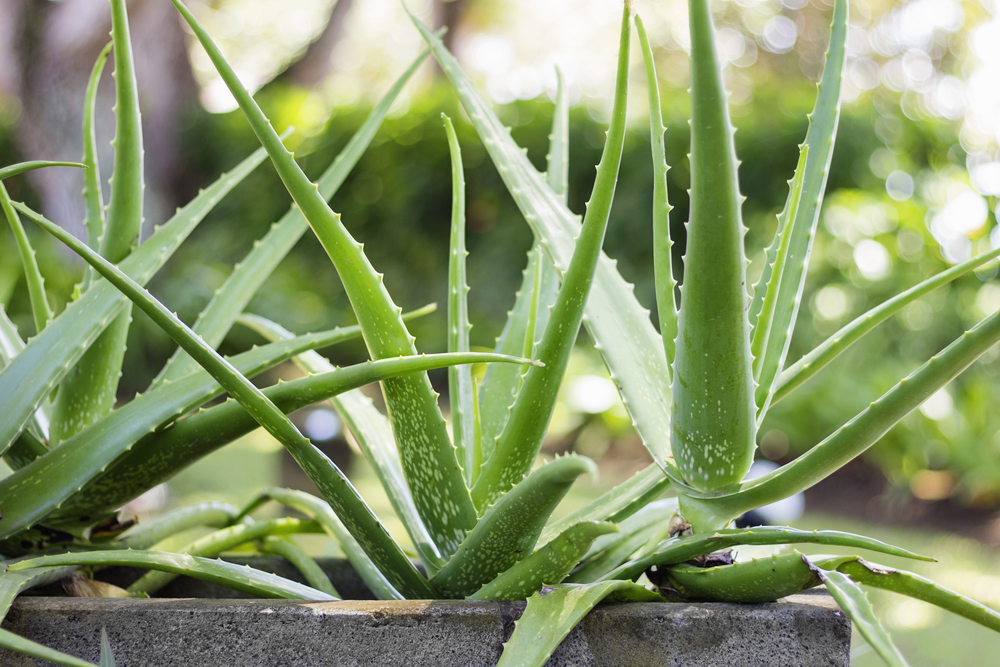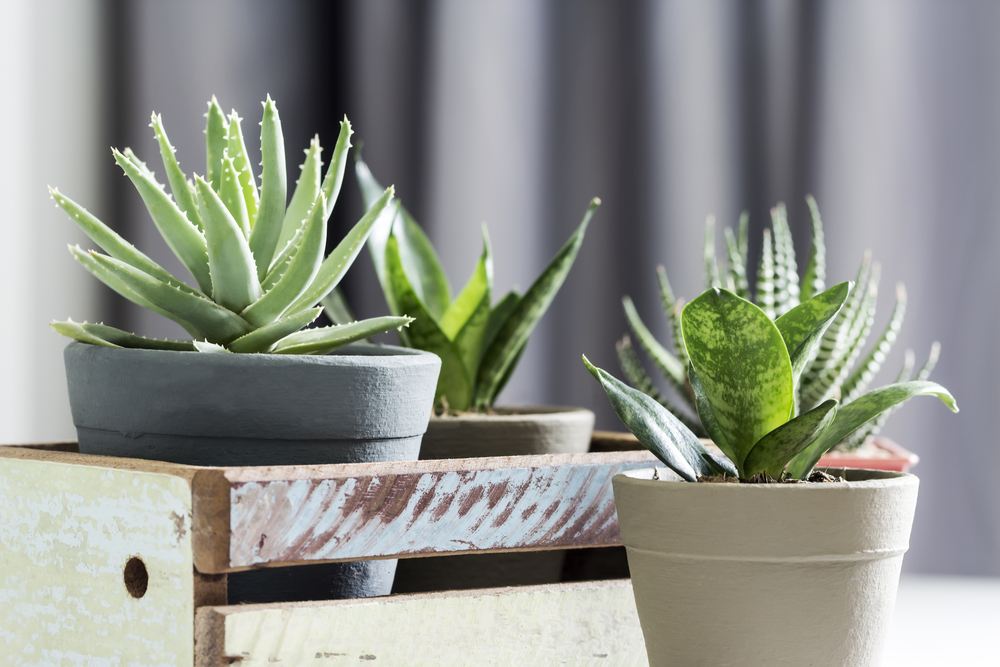
Aloe vera is a staple across the Caribbean, Central America, and Asia, but around here, we love it as a reliable, low-maintenance houseplant. It’s a total favorite for beginners because it’s so easygoing—you can keep it indoors year-round or let it soak up some sun on the porch during the summer. Plus, having that soothing healing gel right at your fingertips for burns or scrapes is a huge bonus!
Caring for Your Indoor Aloe
The secret to a happy aloe plant starts with the right spot. These guys crave light, so a south-facing window or the brightest, warmest nook in your house is perfect. If you decide to move your aloe outside for the summer, make sure it’s protected from the wind and tucked away from heavy rain. They love consistent warmth, so don’t move them outdoors until the threat of frost has totally passed. If the nighttime temps start dipping below 50°F in the fall, it’s time to bring them back inside. During the winter, they prefer a bright but cool spot to rest. Good options include:
- An unheated hallway
- A cool bedroom
- A frost-free garden shed
- A garage with a window
One place to avoid? The bathroom. Aloe actually prefers dry air over high humidity, which is why it handles indoor heating like a champ during the winter.
Watering Tips
Aloe doesn’t just like dry air; it likes dry soil, too. Since it stores water in those thick, fleshy leaves, it really doesn’t need much from you. During its growing season (April through October), only water it when the top layer of soil feels dry to the touch. Once it hits its dormant phase in the cooler months, you can pretty much stop watering altogether.
If your aloe is thirsty, you’ll notice the leaf tips starting to shrivel or the leaves looking a bit limp. Usually, a quick drink fixes them right up. However, overwatering is a much bigger deal. Aloe is super prone to root rot if it sits in soggy soil. To prevent this, always make sure you have a good drainage layer at the bottom of your pot.
Feeding Your Plant
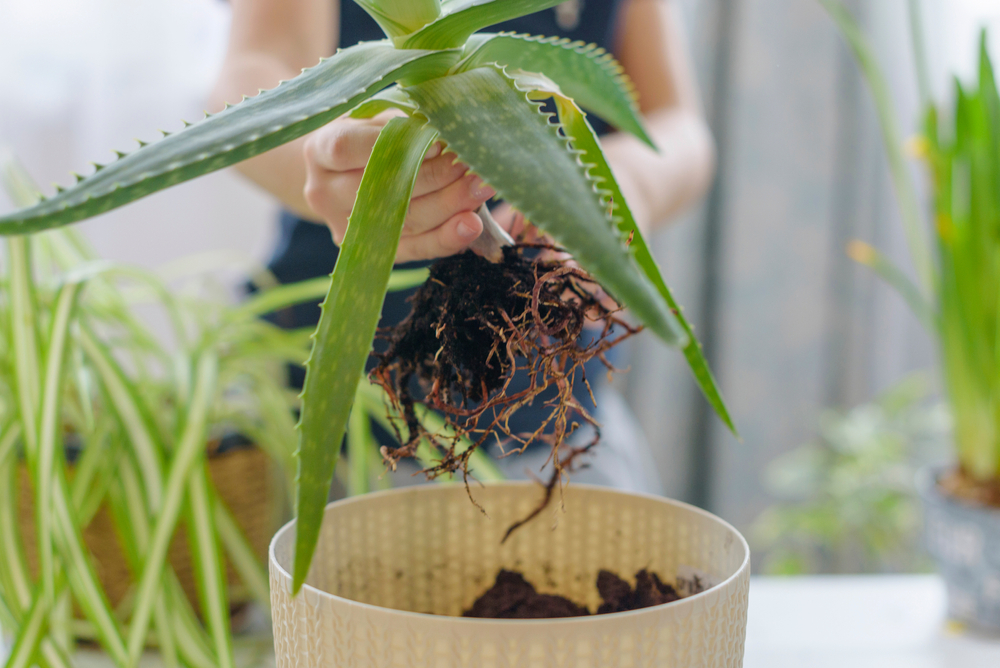
In the wild, Aloe vera grows in pretty nutrient-poor soil, so it’s used to getting by on very little. You only need to give it a bit of diluted liquid fertilizer once in the spring. Honestly, if you repot your plant into fresh soil every once in a while, you don’t need to fertilize at all. The nutrients in a fresh bag of potting mix are more than enough to keep your aloe thriving!