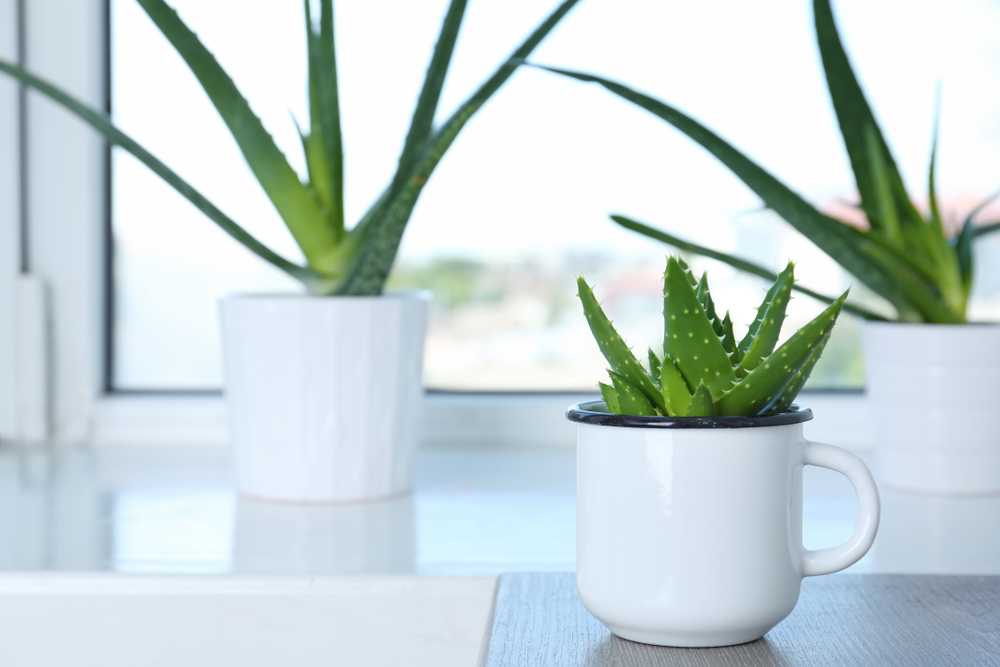
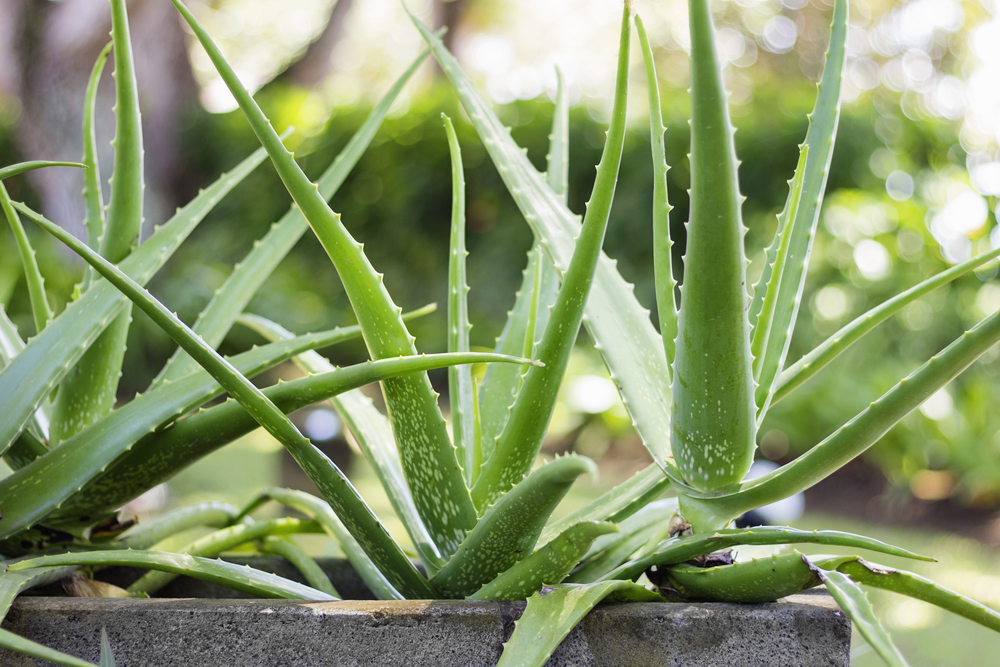
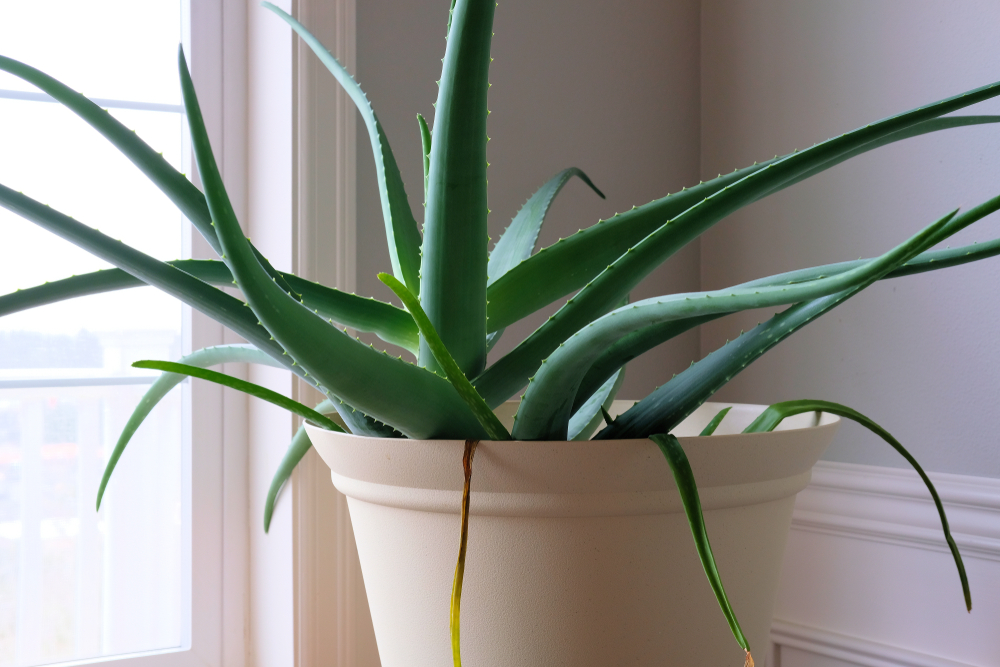
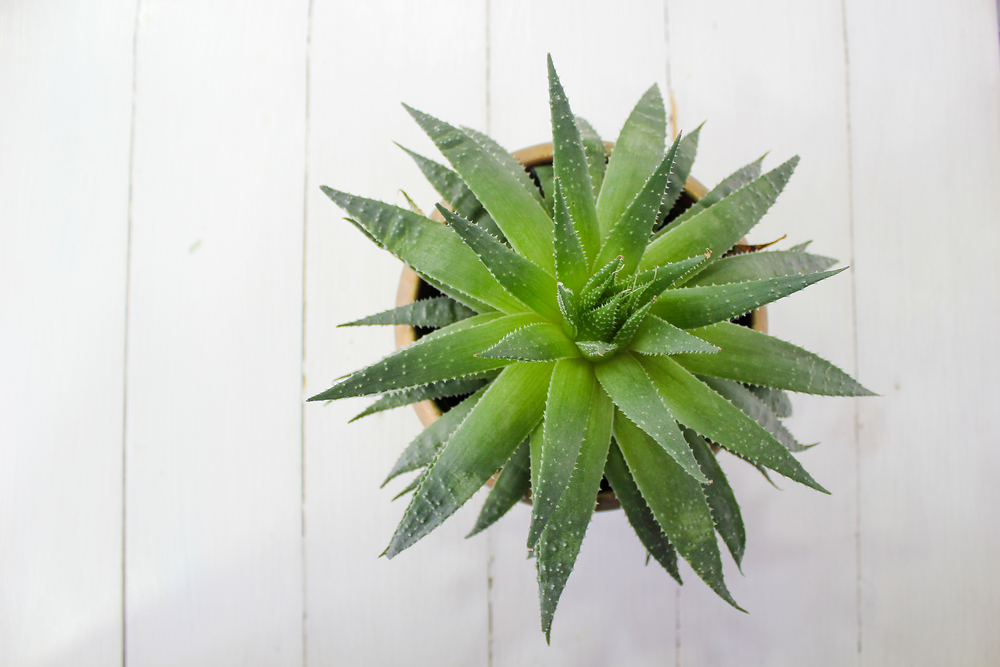
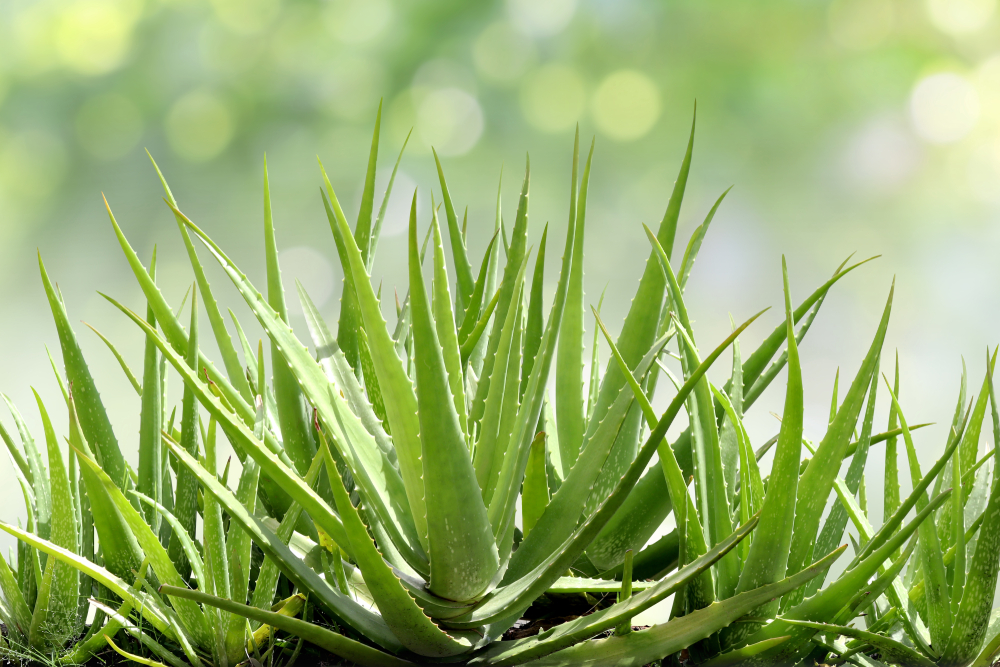
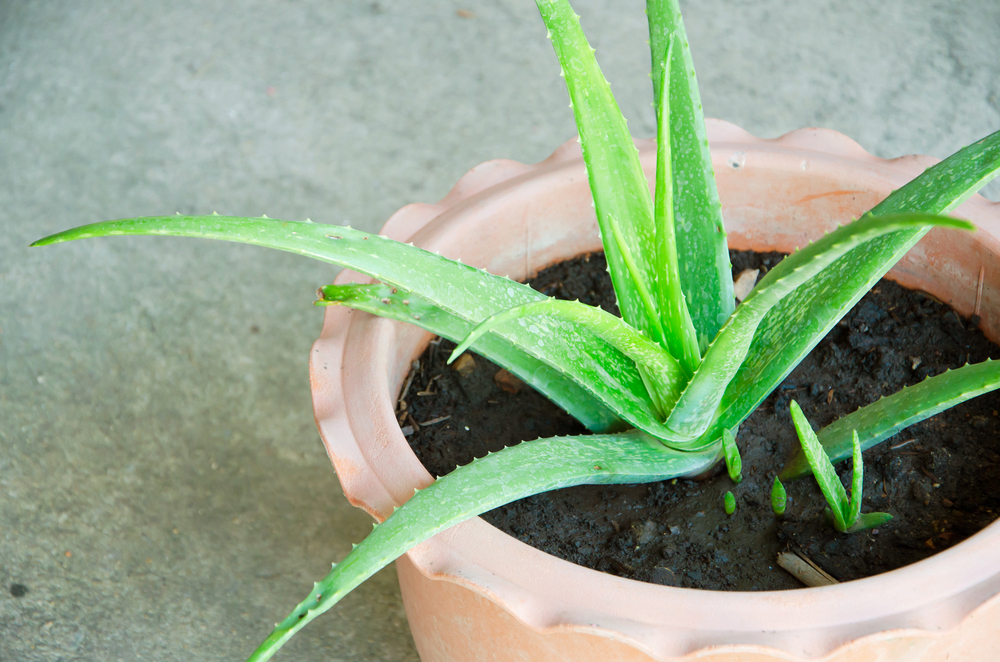
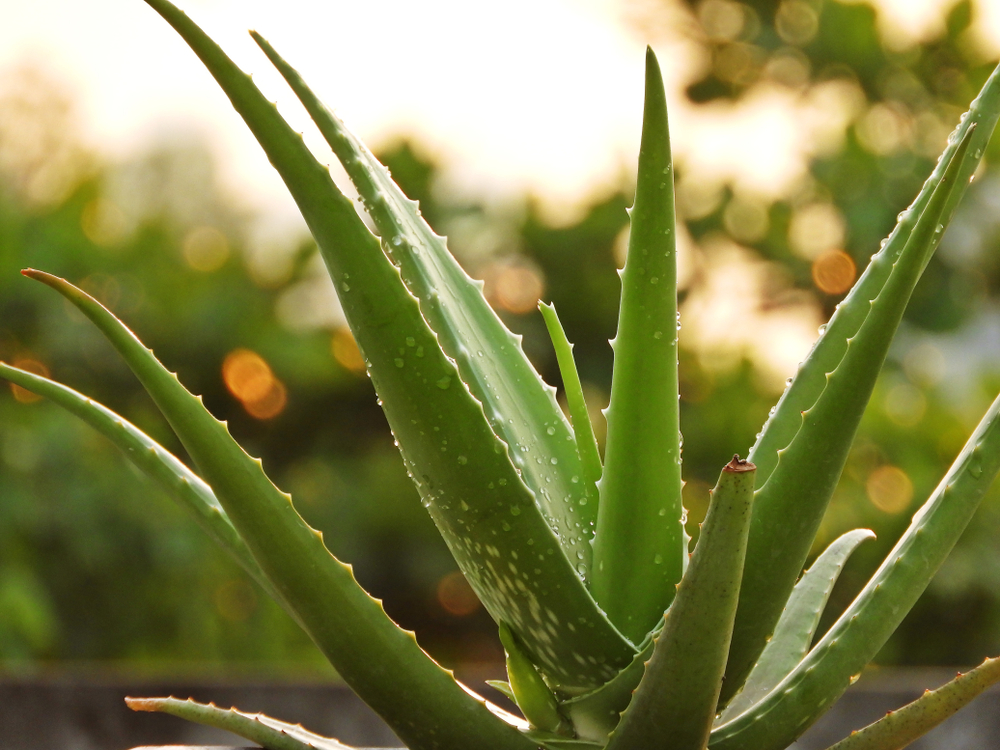
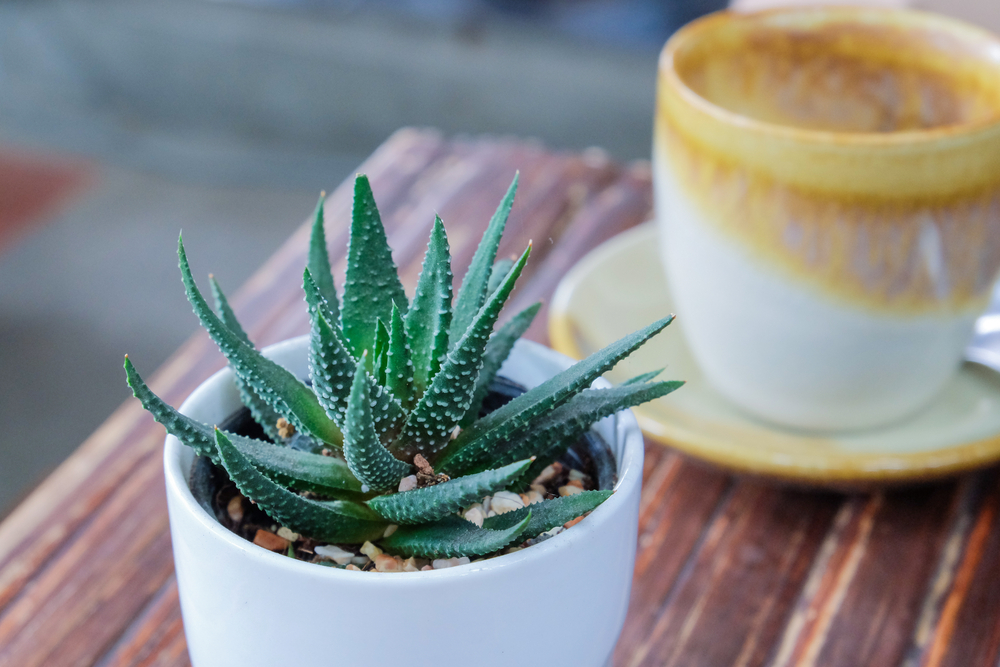
Aloe Vera is a total classic when it comes to houseplants, and it absolutely loves a warm, sunny spot to call home. If you have a south-facing living room window, that’s usually the “sweet spot”—plenty of bright light without getting scorched by that intense midday sun. To really see your Aloe thrive, give it a gritty soil mix (think potting soil blended with sand and peat) along with regular watering and a little fertilizer. If you nail the environment, your Aloe Vera will reward you with beautiful blooms once it hits about three years old.
Bloom Time and Flowers
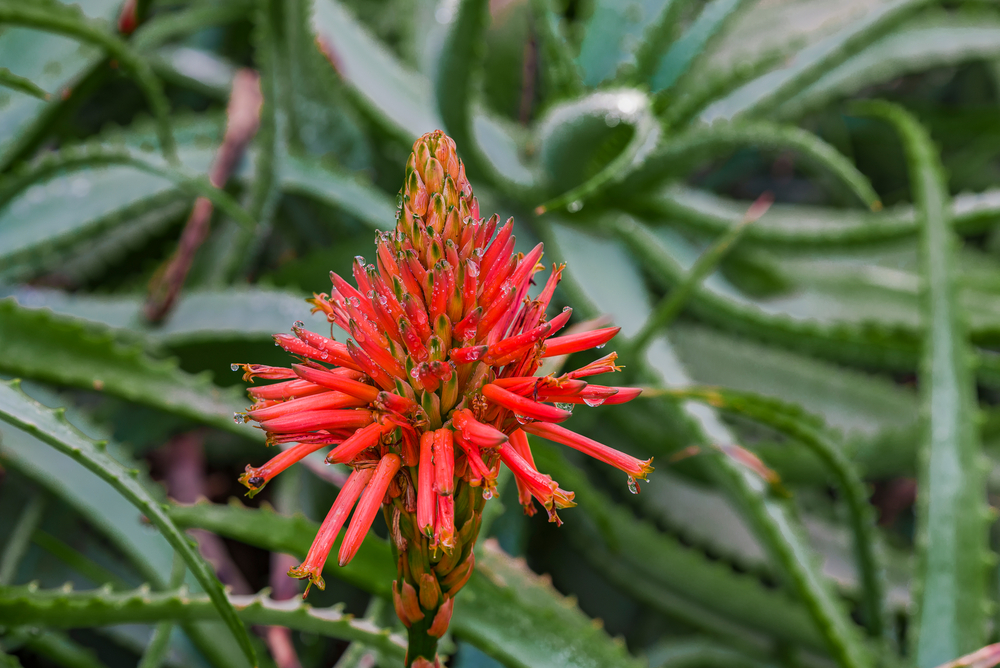
Once an Aloe Vera reaches maturity—usually around its third birthday—it’ll start blooming like clockwork every spring. As early as late January, you’ll notice a long stalk emerging from the center of the leafy rosette. At the top of that stalk (and sometimes on a couple of side branches), a flower cluster begins to form. Between March and May, these clusters open up into tubular flowers. You’ll see them in a gorgeous range of sunset colors, including:
- Vibrant red
- Bright orange
- Sunny yellow
If you take a closer look at the flower spike, you’ll notice something cool: it blooms from the bottom up. You’ll often see spent flowers at the base, fully open blooms in the middle, and fresh buds at the very top all at once. Once the whole spike has finished blooming, go ahead and cut the stalk off at the base to encourage the plant to put its energy back into growth or even more blooms.
How to Encourage Those Blooms
If your Aloe has a great location and healthy soil, the secret ingredient to getting flowers is a proper “winter rest.” As the days get shorter and darker, your Aloe needs a little nap. Move it to a cooler spot where temperatures stay between 50°F and 60°F (10–15°C). Some great spots for this include:
- A bright, unheated hallway or stairwell
- A cool guest bedroom
- An unheated sunroom or conservatory
- A frost-free garden shed or greenhouse
Try to avoid the bathroom, though—Aloe Vera isn’t a fan of high humidity. During this winter dormancy, you only need to water it occasionally (just enough so the root ball doesn’t bone-dry) and skip the fertilizer entirely. You can start your regular feeding and watering routine again once the blooming season kicks off in the spring!