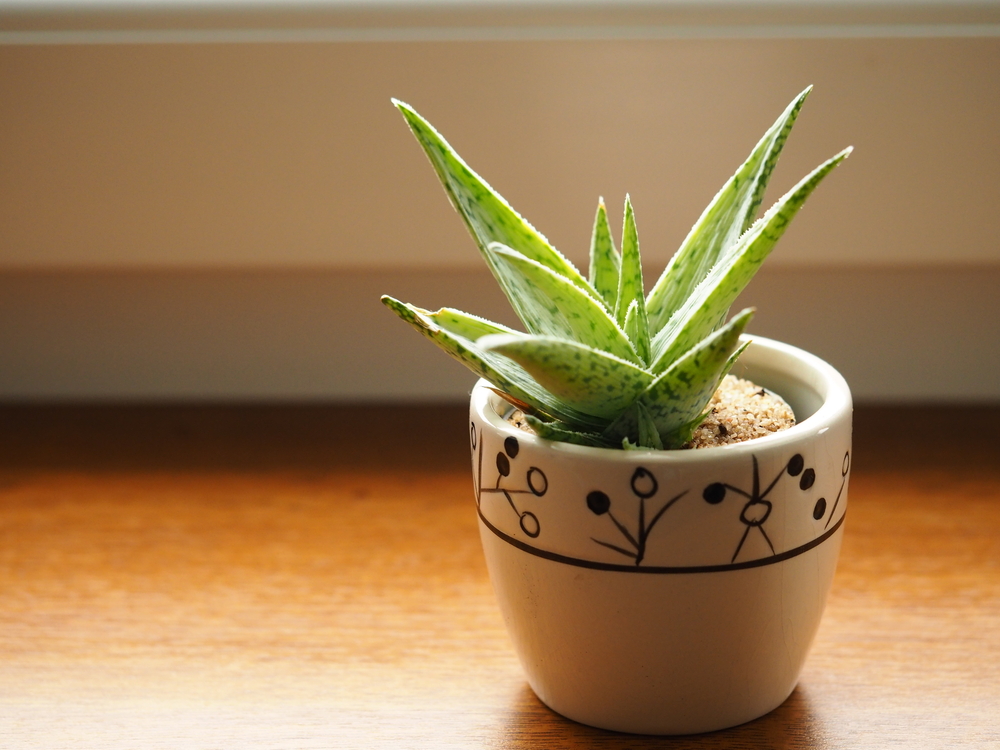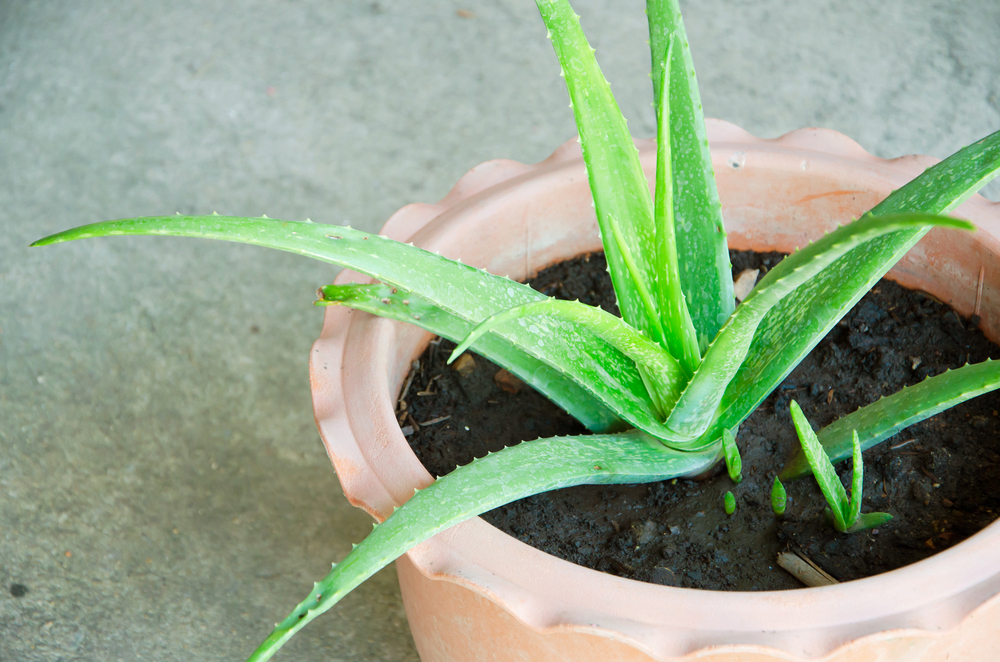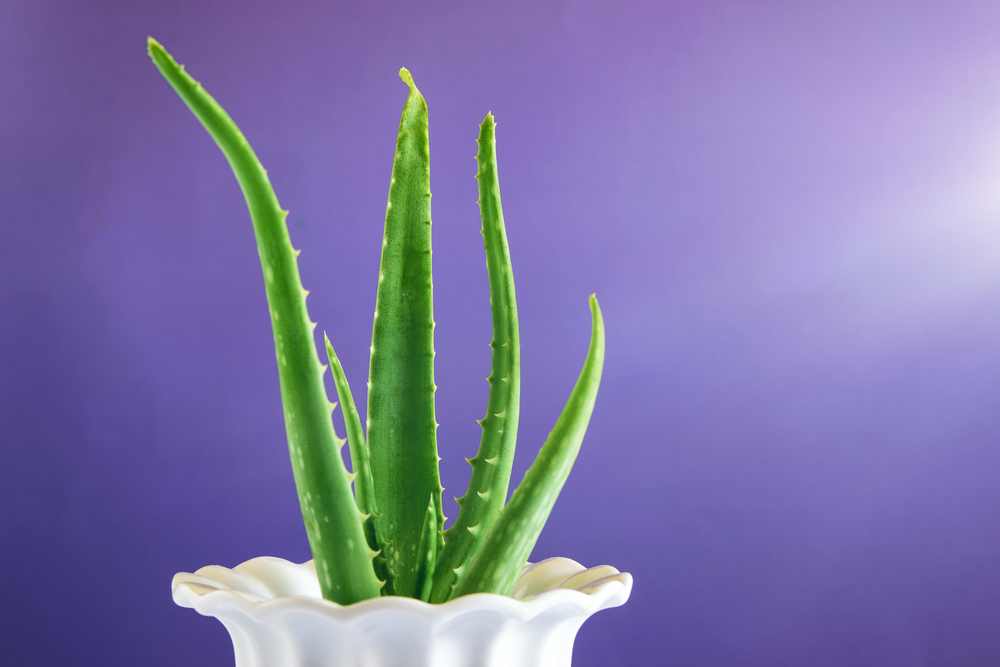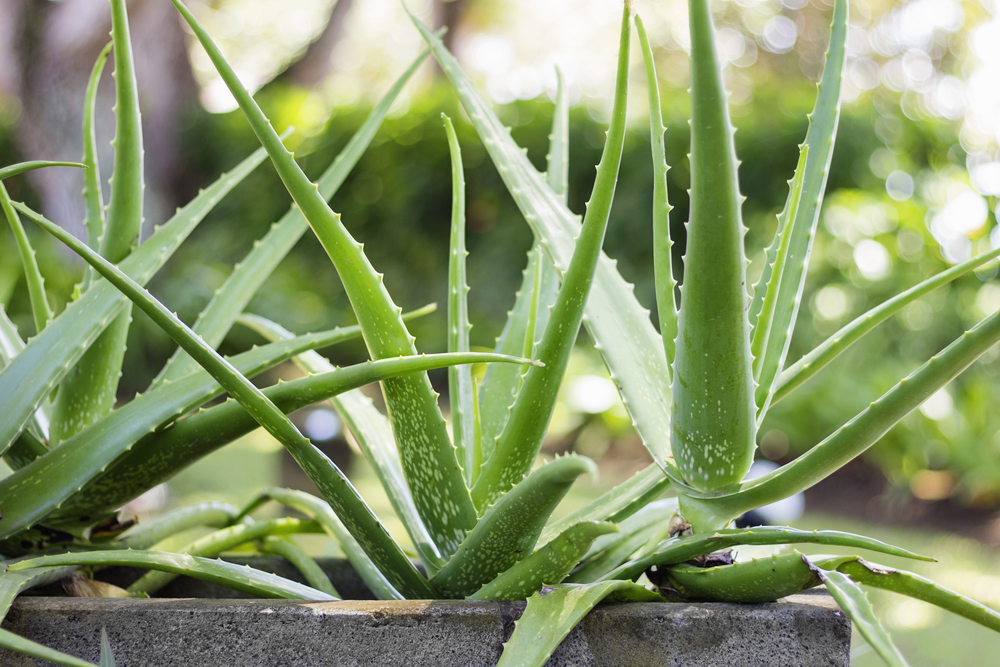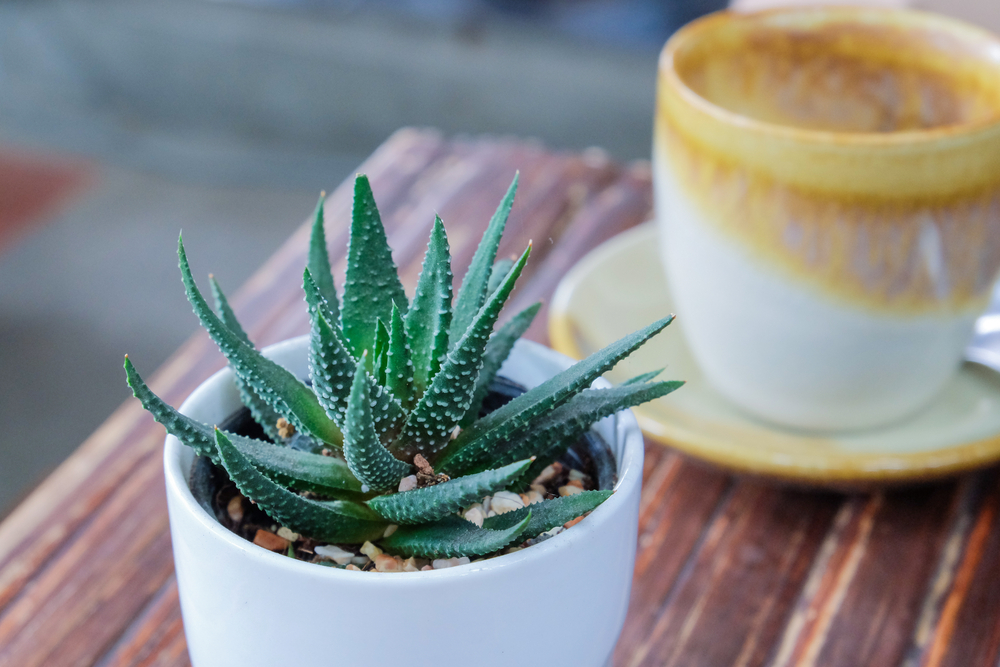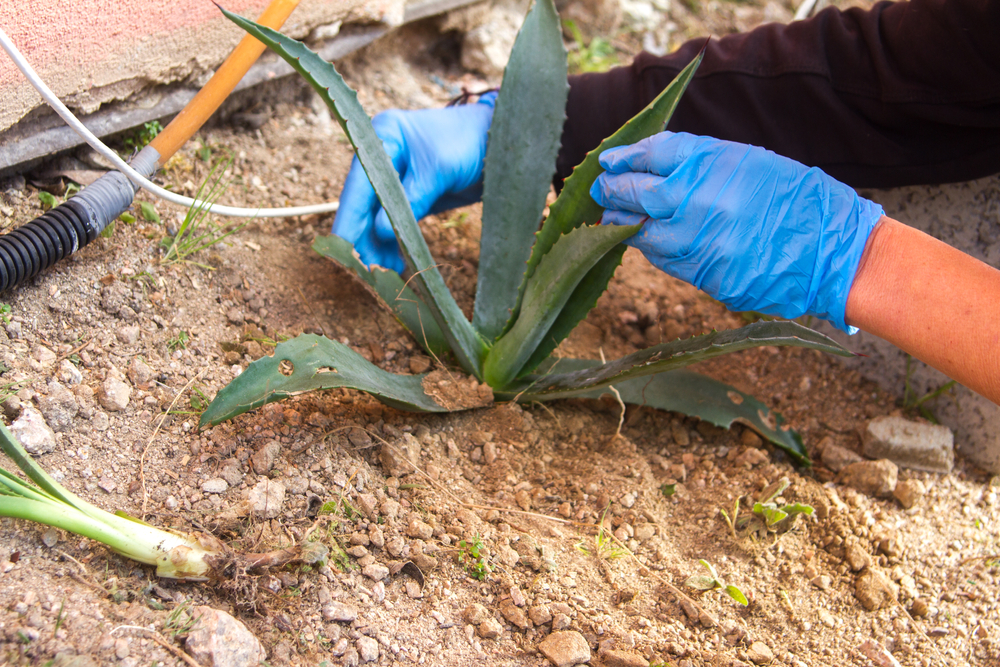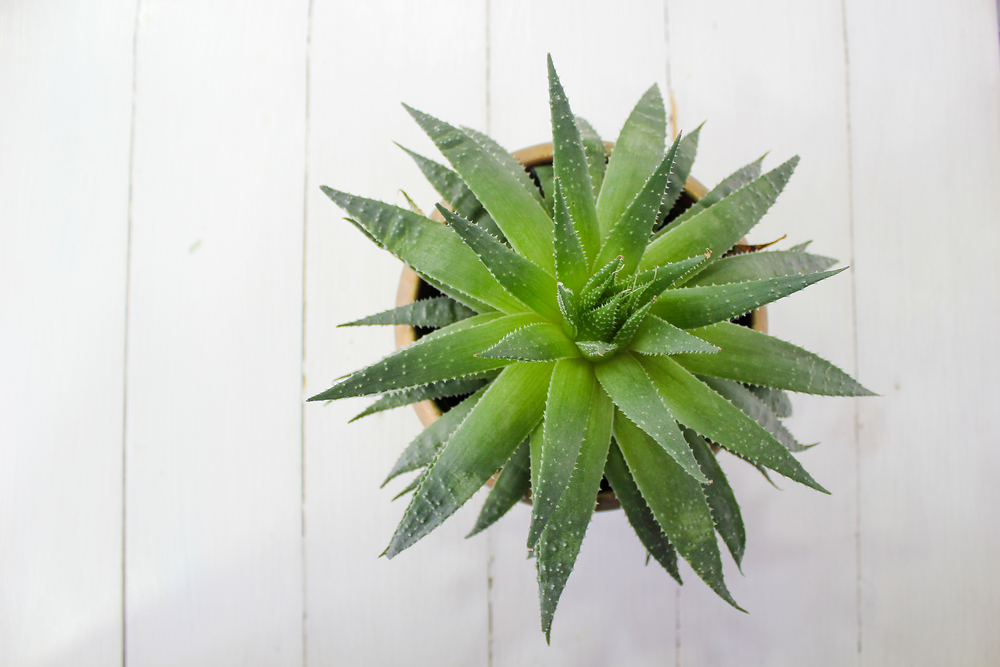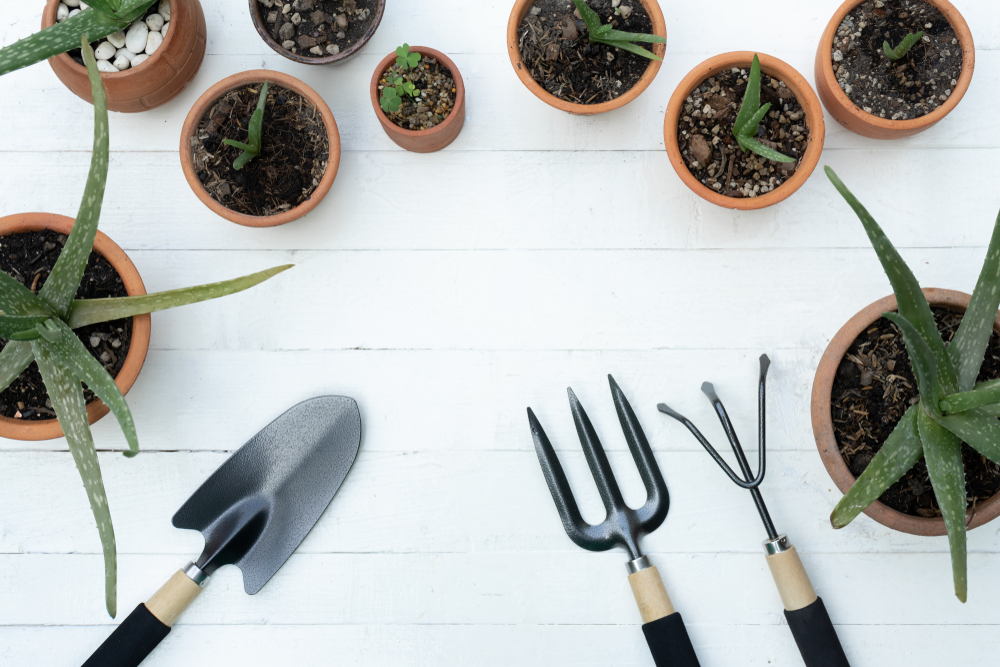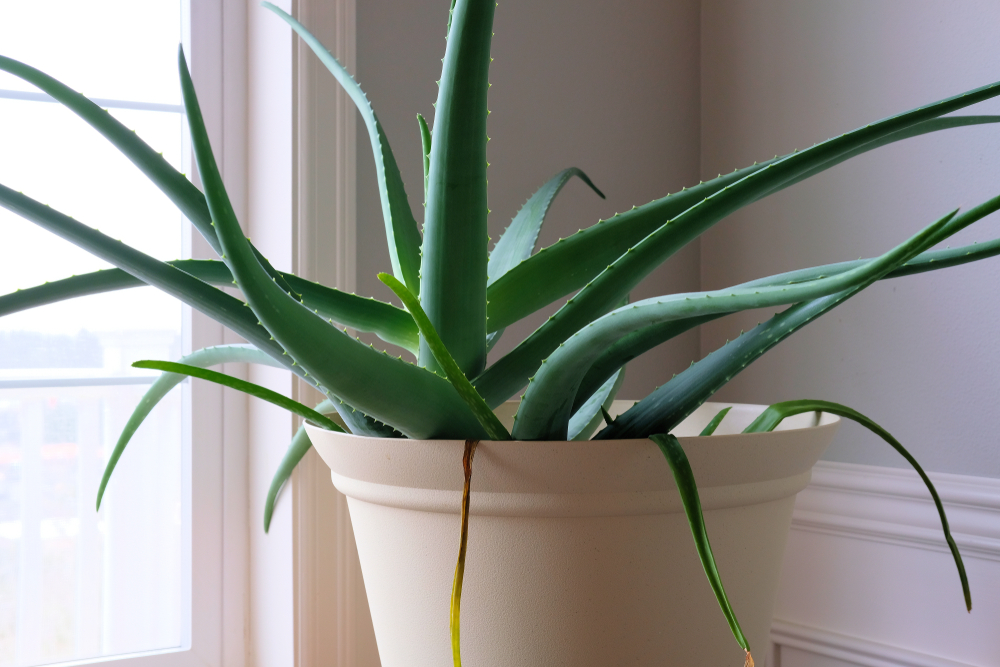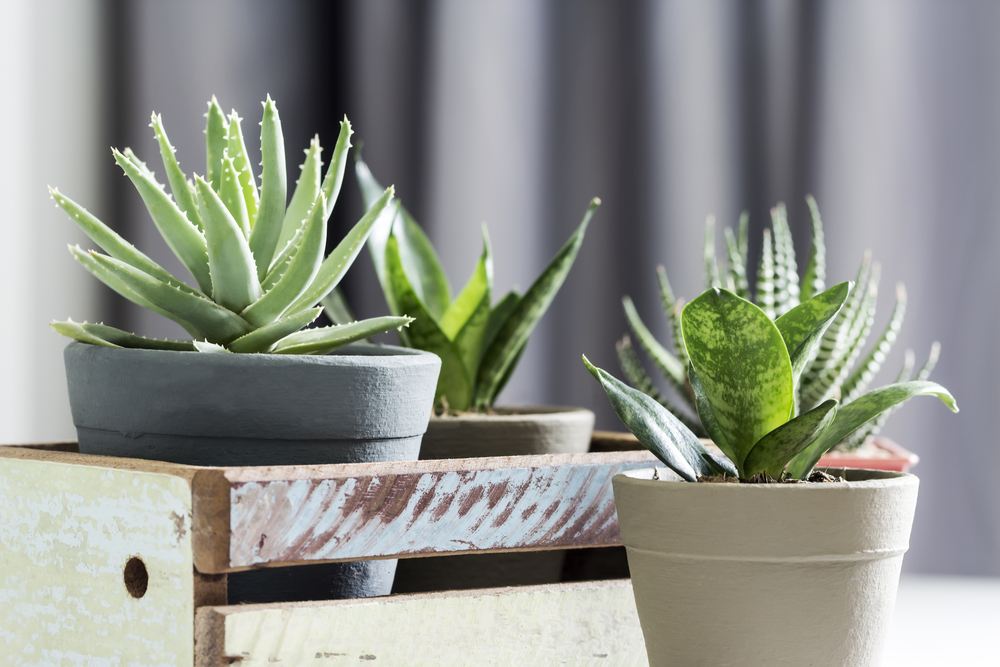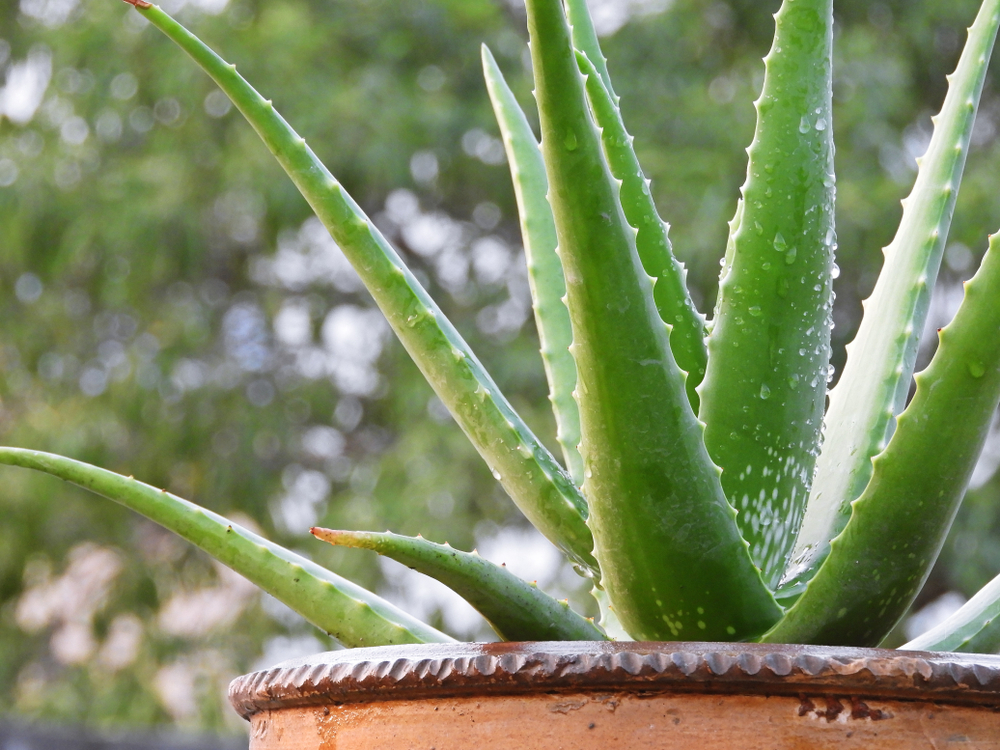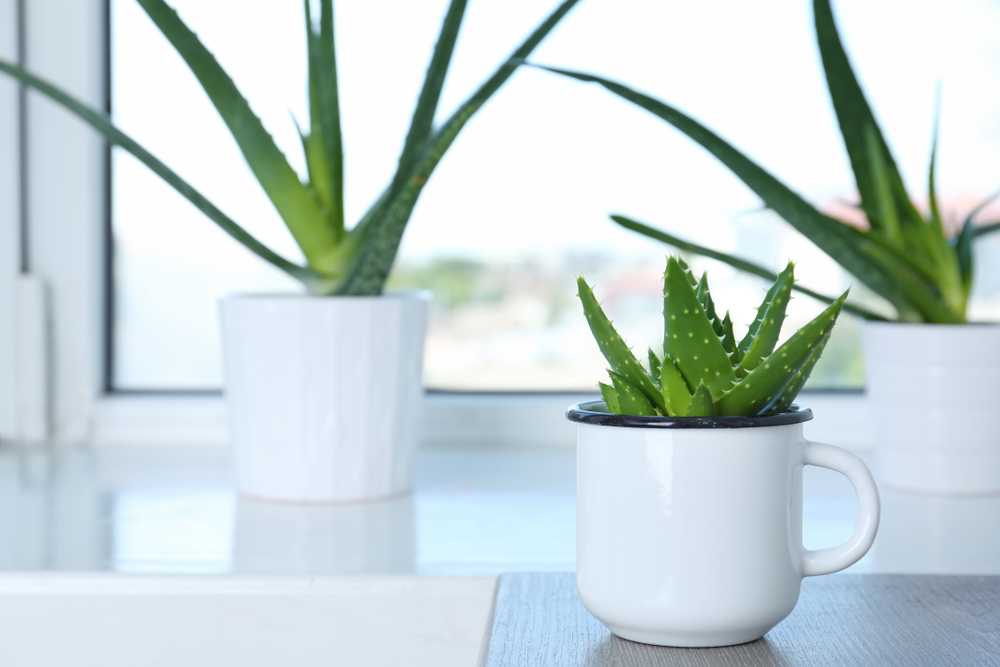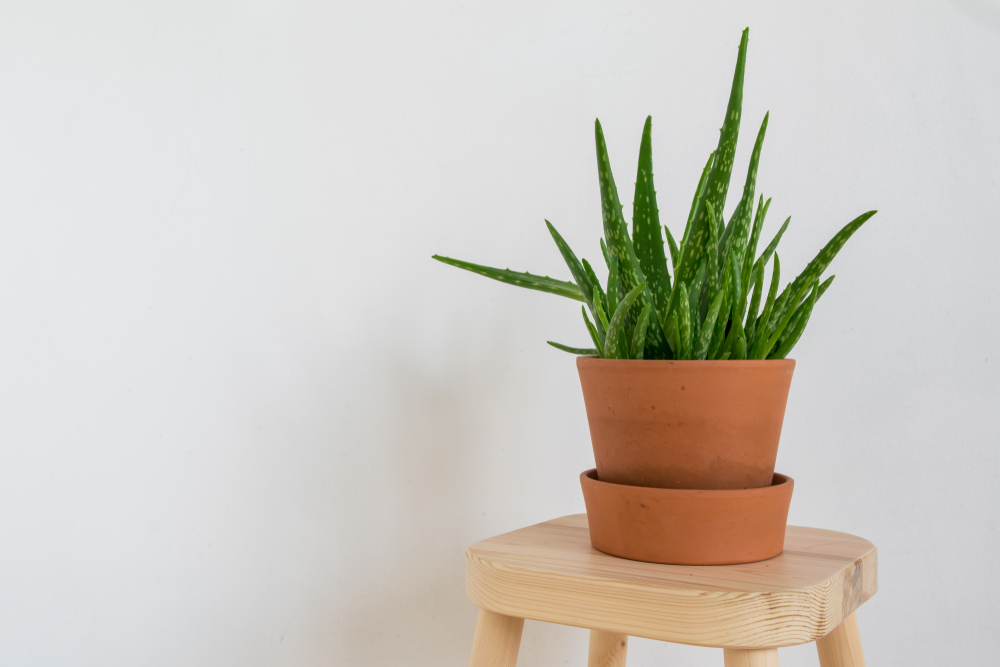
Aloe Vera originates from tropical and subtropical regions, which means it’s definitely not a fan of the cold. Here in the States, we usually grow it as a low-maintenance houseplant that loves a little “summer vacation” outdoors. Just keep an eye on the thermometer—once temps dip toward 50°F, it’s time to bring this heat-loving succulent back inside to keep it happy and healthy.
Aloe Vera Growing Conditions
This hardy succulent is pretty chill and doesn’t ask for much. To keep yours thriving, aim for:
- A warm spot with plenty of bright sunshine
- Well-draining soil (a cactus mix or potting soil blended with sand works wonders)
- Very light watering—less is more here!
- No standing water (they hate “wet feet”)
- A sunny outdoor spot from June through September, protected from heavy wind and rain
How to Overwinter Your Aloe Vera
Honestly, there’s nothing wrong with keeping your Aloe Vera in the living room year-round. It handles dry indoor heating like a champ and only needs a tiny bit of water and fertilizer. In fact, if you repot it regularly with fresh soil, you can skip the fertilizer altogether! But if you have a balcony or patio, your Aloe will love the fresh air once night-time temperatures stay consistently above 50°F.
Around September, when those nights start getting chilly, make sure to move it back indoors. During the winter months, the ideal setup is a bright but cool room (around 50°F to 60°F). This allows the plant to enter a dormant phase where it doesn’t need water or food. This “rest period” is actually the secret trick to getting your Aloe to bloom the following spring!
Quick Care Tips for a Happy Aloe Vera
This pretty succulent is about as low-maintenance as it gets, but there are a few golden rules to follow for the best results:
- Keep it in a bright, warm spot (never below 50°F)
- Use a dry, gritty, well-draining substrate
- Low humidity is perfectly fine
- Avoid standing water (a drainage layer at the bottom of the pot is a lifesaver)
- Don’t get water on the leaves, as this can lead to rot
- Respect the winter dormancy (bright, cool, no water, and no fertilizer)
The Famous Exception: Aloe aristata
There is one rebel in the family! The Lace Aloe (*Aloe aristata*) can actually stay outside during the winter, provided you give it some TLC. Keep it under a roof or awning so it doesn’t get buried in snow or soaked by winter rain. To protect it from the frost, place the pot on a wooden board or a piece of Styrofoam and wrap the container in burlap, bubble wrap, or heavy blankets to keep the roots cozy.