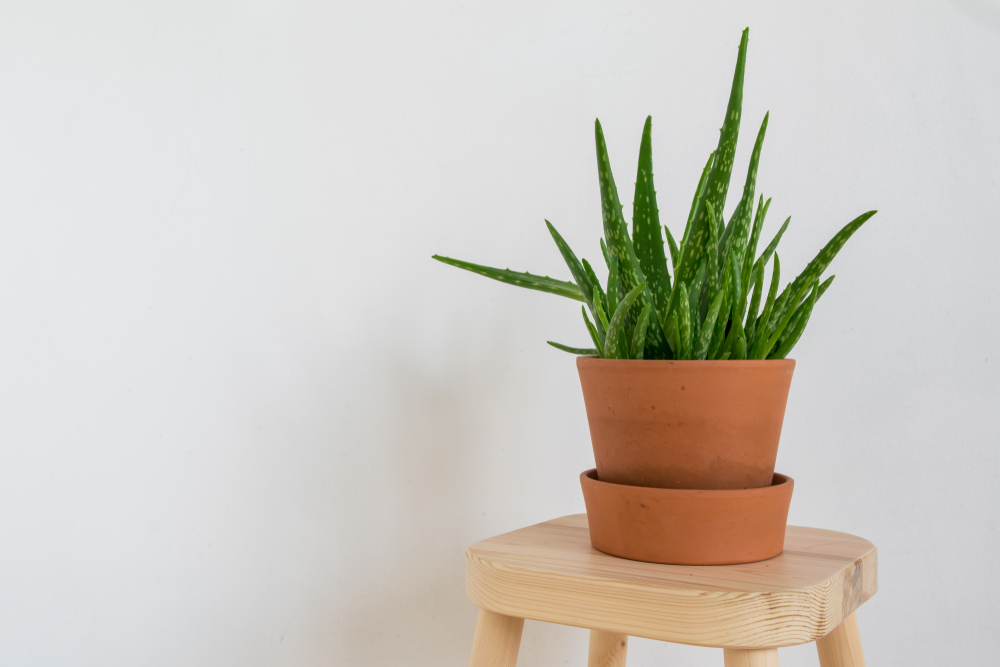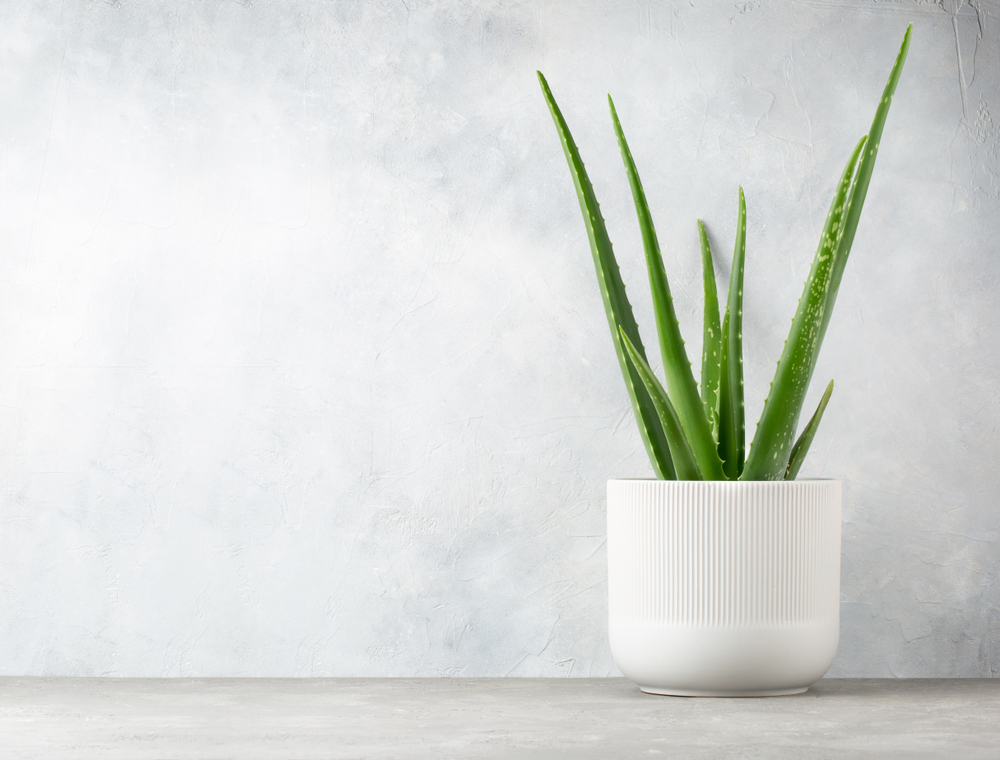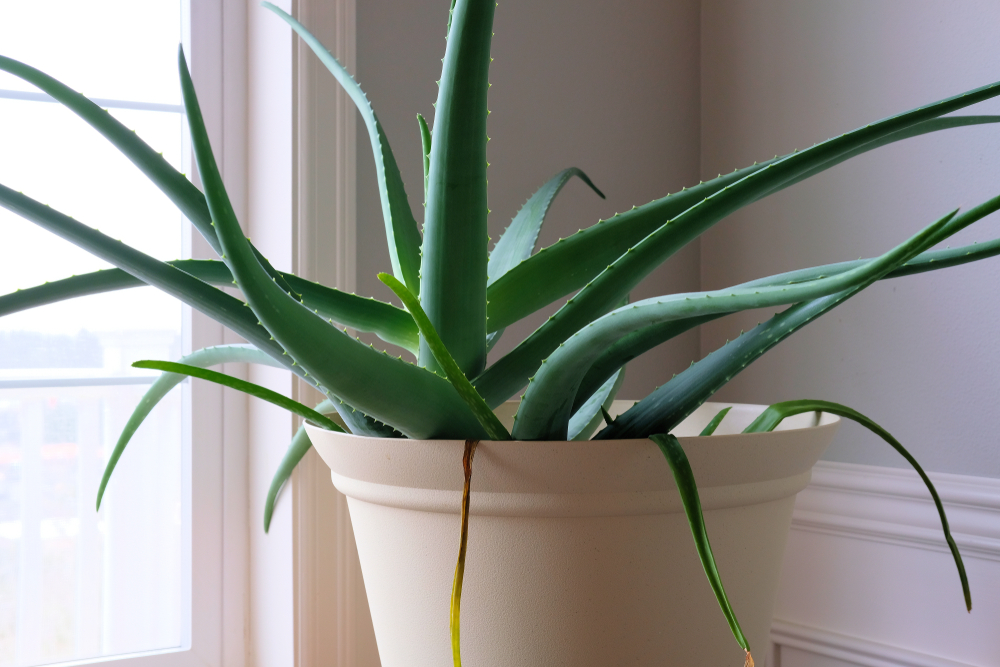
Aloe Vera is hands-down one of the most popular houseplants out there, and for good reason—it’s incredibly easy to grow! To keep yours thriving, all you really need is the right spot, a smart watering routine, some fresh soil every now and then, and a frost-free place to crash during the winter.
How to Grow a Happy Aloe Vera
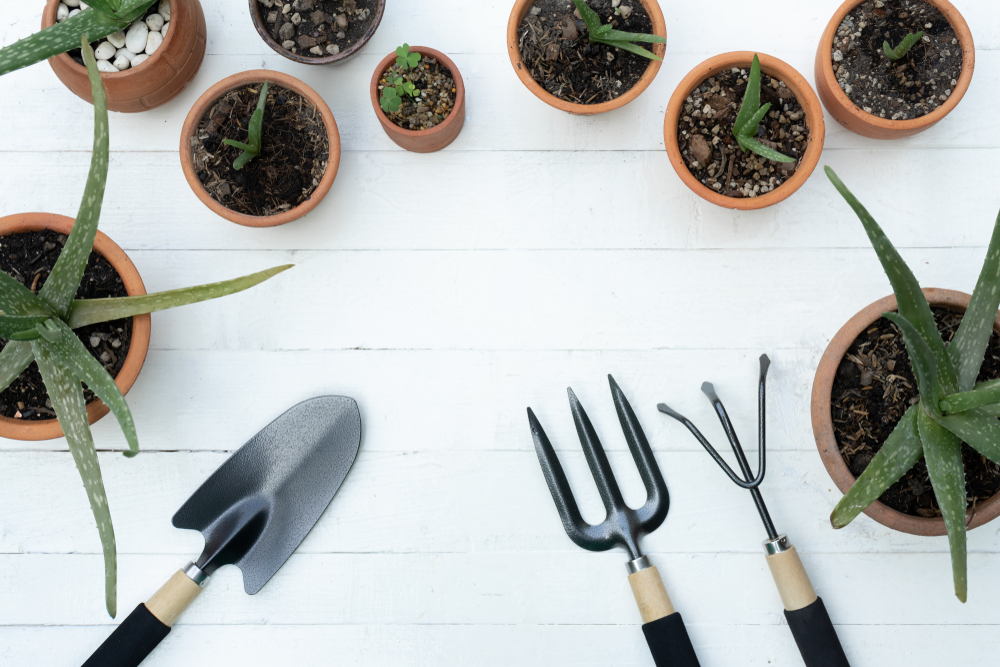
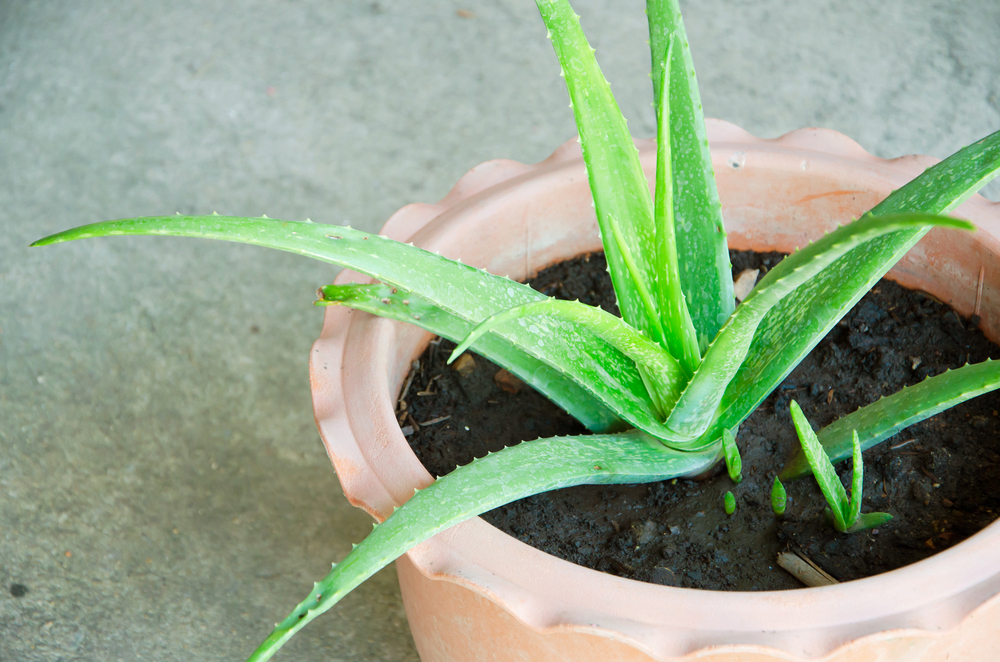
When potting your Aloe, grab a bag of succulent mix or whip up your own well-draining blend using garden soil, sand, and perlite. To prevent the dreaded “soggy feet” (root rot), make sure to add a layer of clay pebbles at the bottom for drainage. Place it in a warm, sunny spot, and you’ll watch that Aloe take off in no time.
Growth Habits
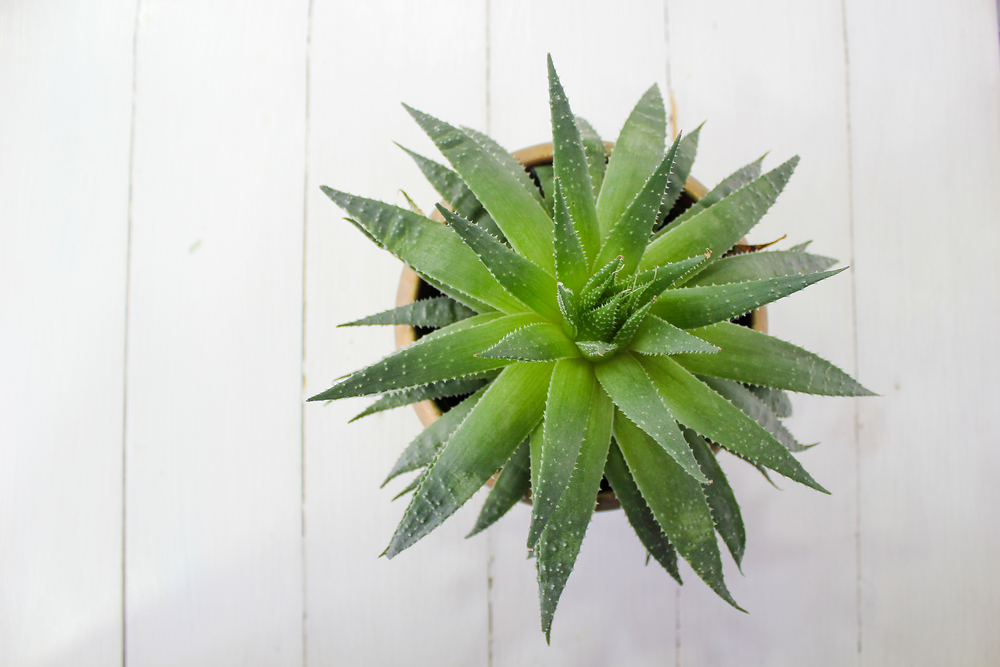
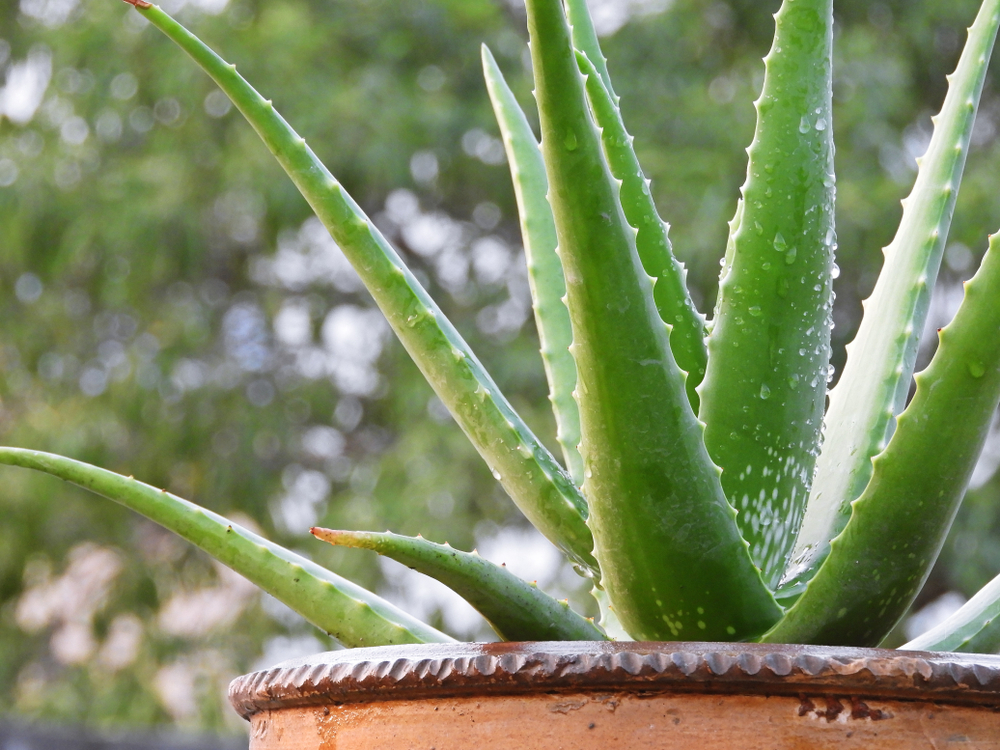
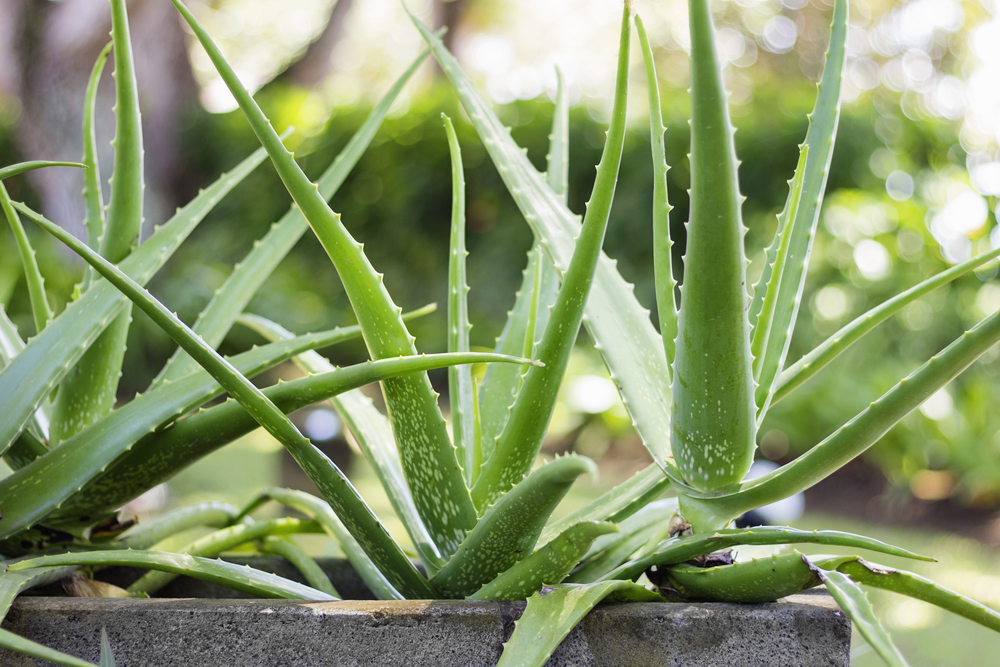
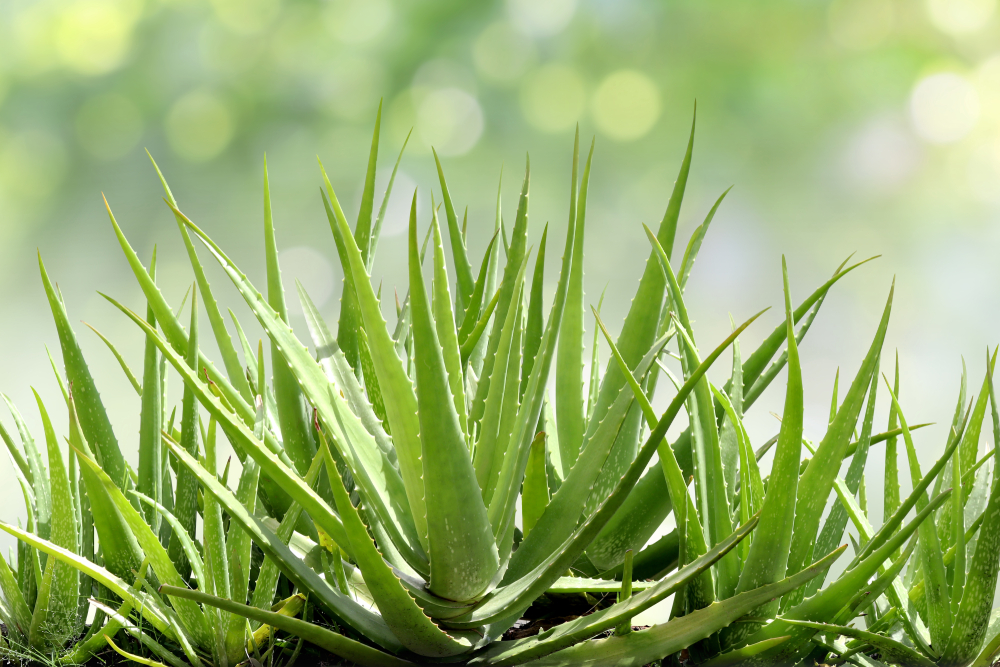
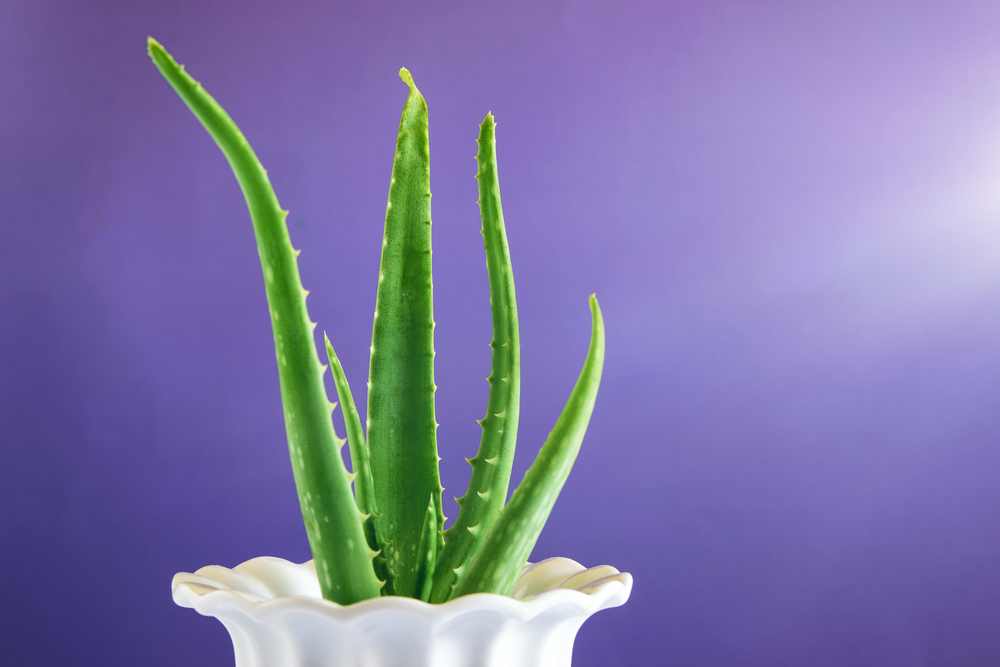
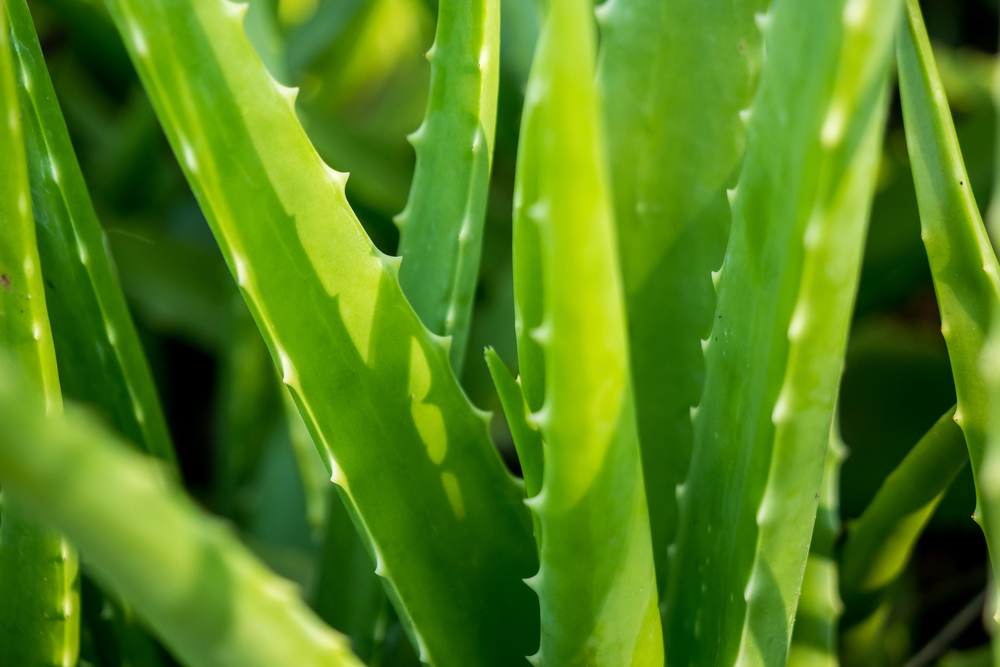
Aloe plants grow pretty quickly and like to spread out, though they usually have a very short stem or no visible stem at all. Their leaves grow in a rosette pattern, with new growth constantly pushing out from the center. You’ll notice the leaves are:
- Thick and fleshy (succulent)
- Wide at the base
- Tapered toward the tips
- Lined with tiny, soft teeth along the edges
In the spring, you might get lucky and see a long flower stalk emerge from the center. It produces a cluster of tube-shaped flowers in vibrant shades of red, yellow, or orange.
Finding the Perfect Spot
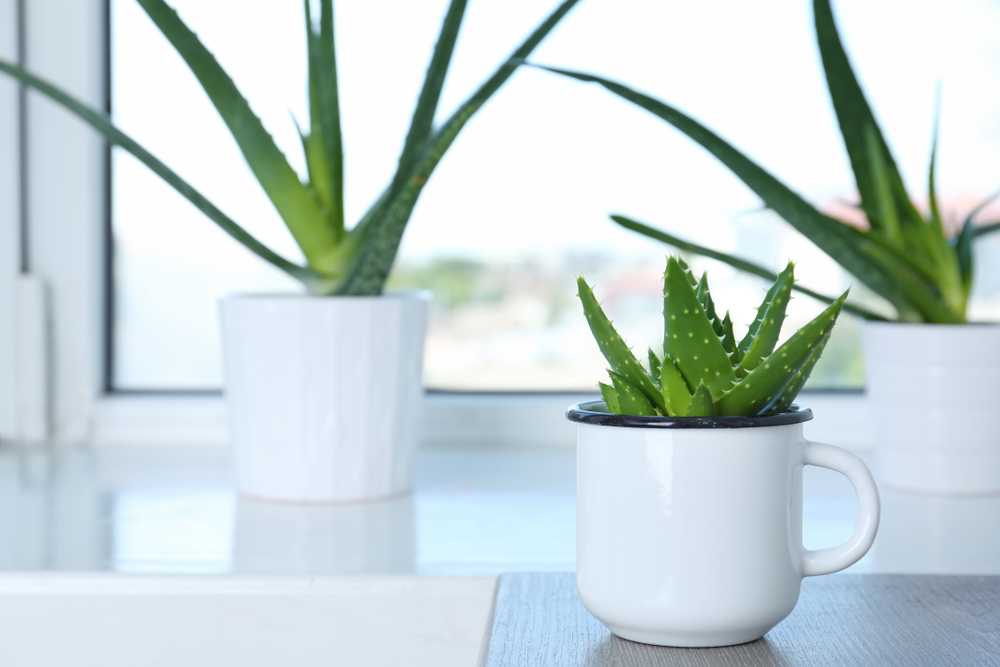
As a tropical native, this plant is a total sun-worshipper. If you’re keeping it indoors year-round, a south-facing window is your best bet. If you have a balcony or patio, feel free to move it outside around June. Just make sure it’s protected from heavy wind and rain. Once the temperatures start to drop, it’s time to bring your green friend back inside.
During the winter, Aloe Vera goes into a dormant phase to save up energy for spring blooming. During this “nap,” it prefers a cool, bright room (around 50-60°F). You can pretty much ignore it during this time—no water or fertilizer needed!
Watering and Feeding
Thanks to those thick, juicy leaves, Aloe is a pro at storing water. The golden rule is to wait until the top layer of soil is completely dry before watering again. Always water from the bottom or aim directly for the soil; try to keep the leaves dry. If water gets trapped in the leaf joints, it can cause the plant to rot. Again, skip the watering entirely during the winter months.
When it comes to food, Aloe isn’t very demanding. If you repot it regularly with fresh soil, it’ll get all the nutrients it needs. If you really want to give it a boost, you can use a diluted succulent or cactus fertilizer about once every six weeks during the growing season.