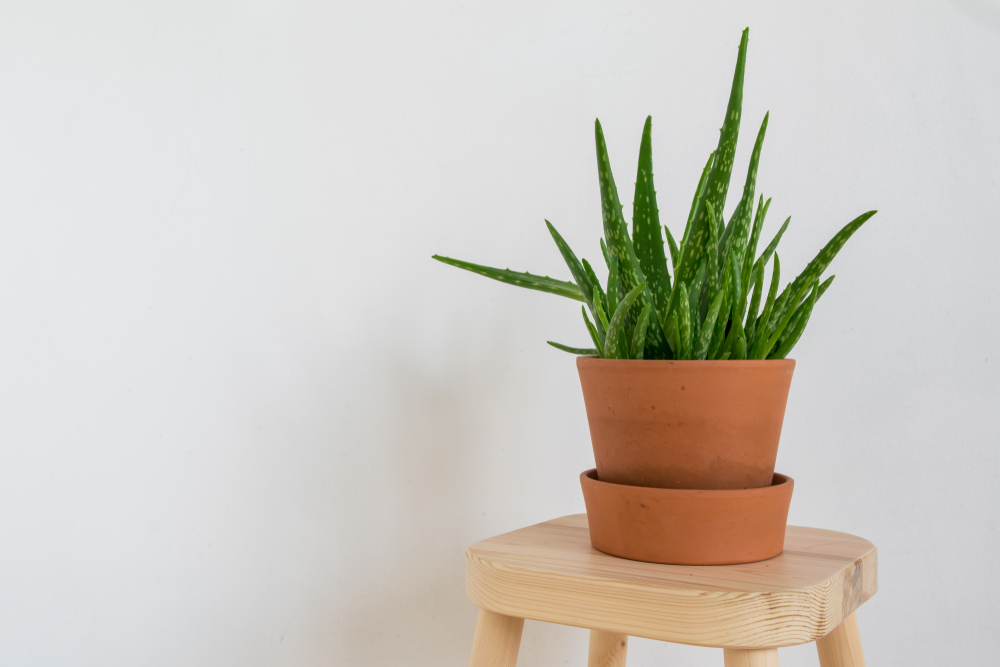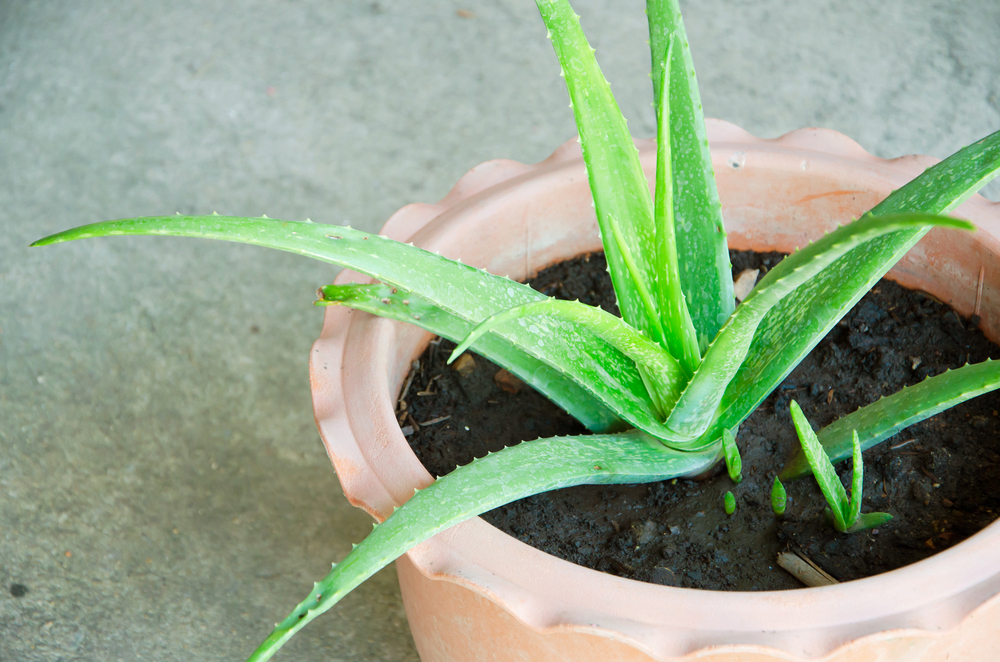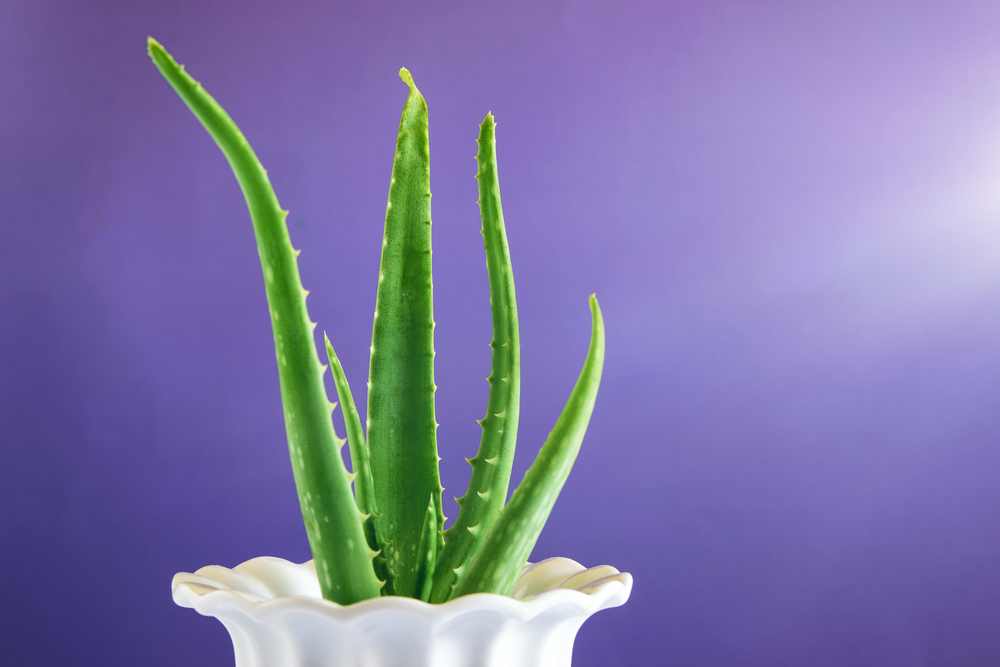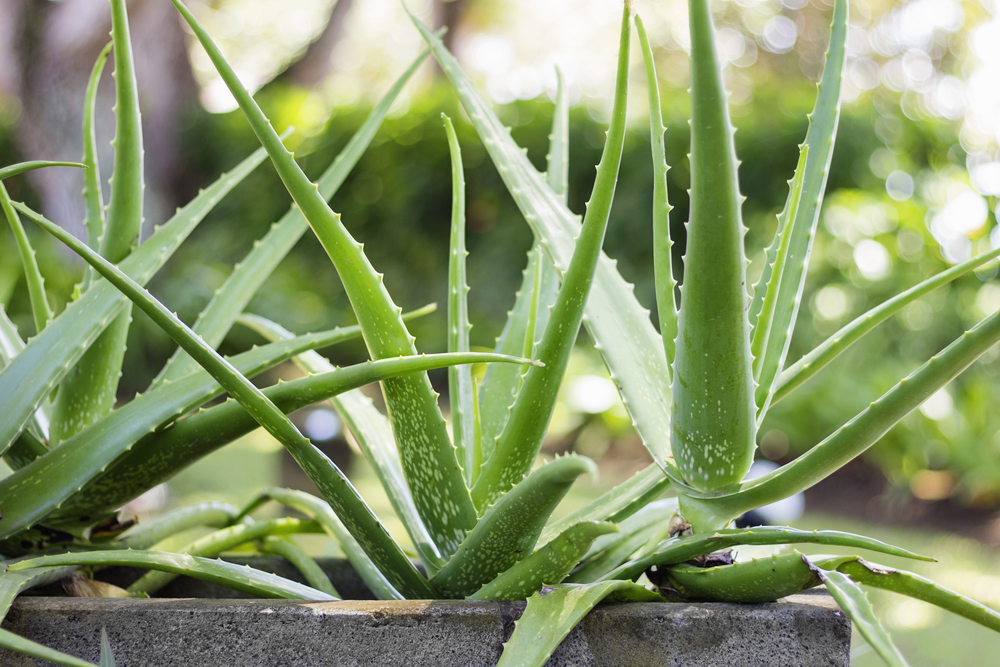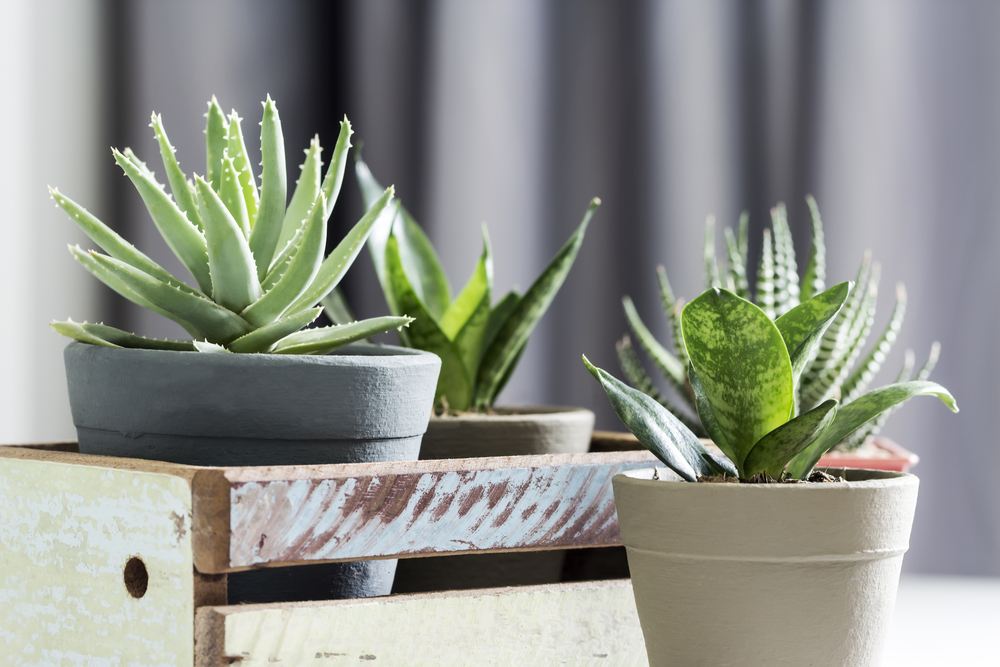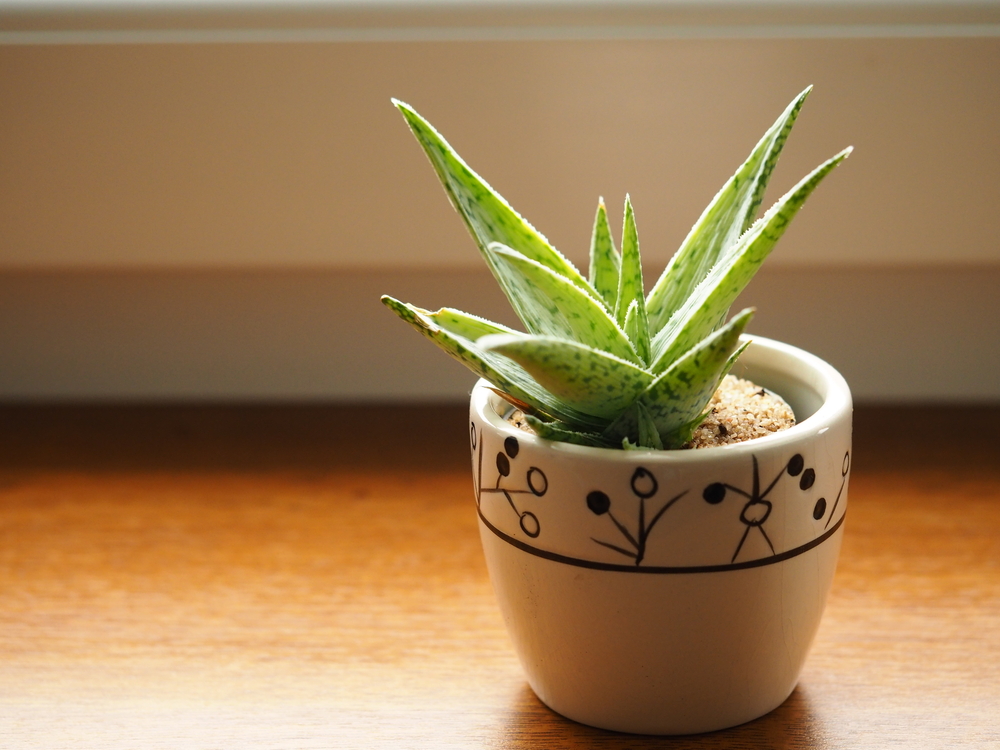
Aloe Vera is a classic houseplant for a reason. It’s super low-maintenance and handles dry indoor air like a champ, meaning it can stay inside all year long. But, if you have a balcony or patio, your Aloe will love spending its summer vacation outdoors! Just remember: once the weather turns chilly, it’s time to bring your green friend back inside for the winter.
Wintering Indoors
Since Aloe Vera is pretty hardy, you can move it outside around June. It’ll soak up the sun and thrive, especially if you find a spot that’s protected from the wind. However, keep a close eye on the thermometer. As soon as nighttime temps dip to 50°F (10°C) or lower, it’s time to head back indoors. Aloe is definitely not a fan of the cold, and anything below 50°F can actually damage the plant.
During the winter months, the best move is to place your Aloe in a bright but cool room—ideally between 50°F and 60°F. During this time, you can pretty much hit the “pause” button on watering and fertilizing. This cool dormant phase is actually what helps the plant gear up to bloom in the spring! Great spots for this “winter nap” include:
- A cool bedroom
- A bright hallway or stairwell
- An unheated sunroom
- A frost-free greenhouse
- A garage with plenty of natural light
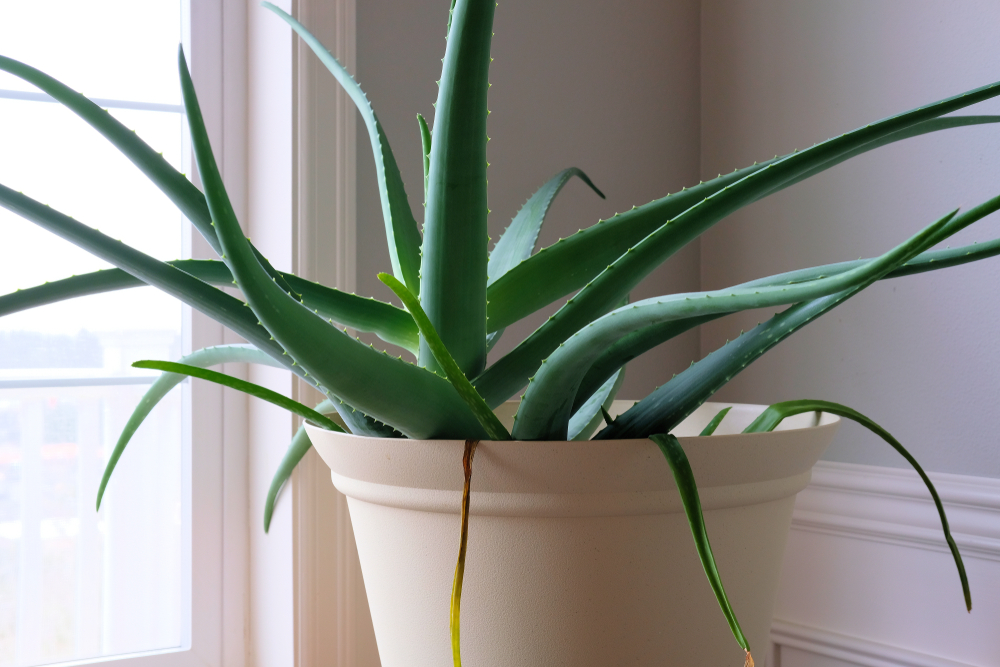
If you aren’t worried about getting flowers (let’s be honest, the foliage is gorgeous on its own!), you can just leave your Aloe on a sunny windowsill. It doesn’t mind dry heat from the furnace at all, as long as it gets plenty of light and stays warm.
The Hardy Aloe Aristata (Lace Aloe)
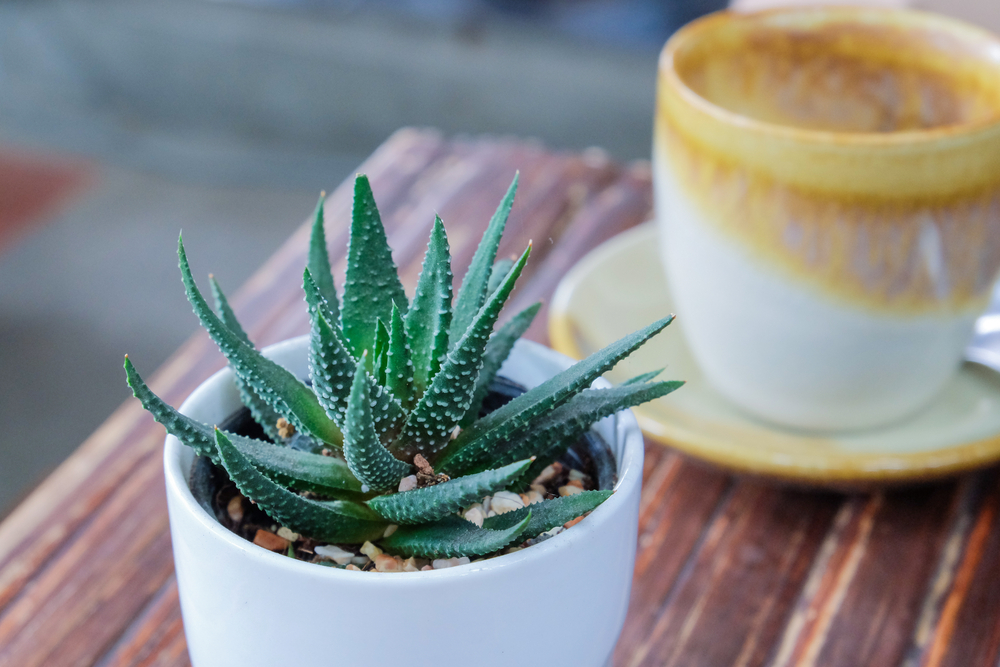
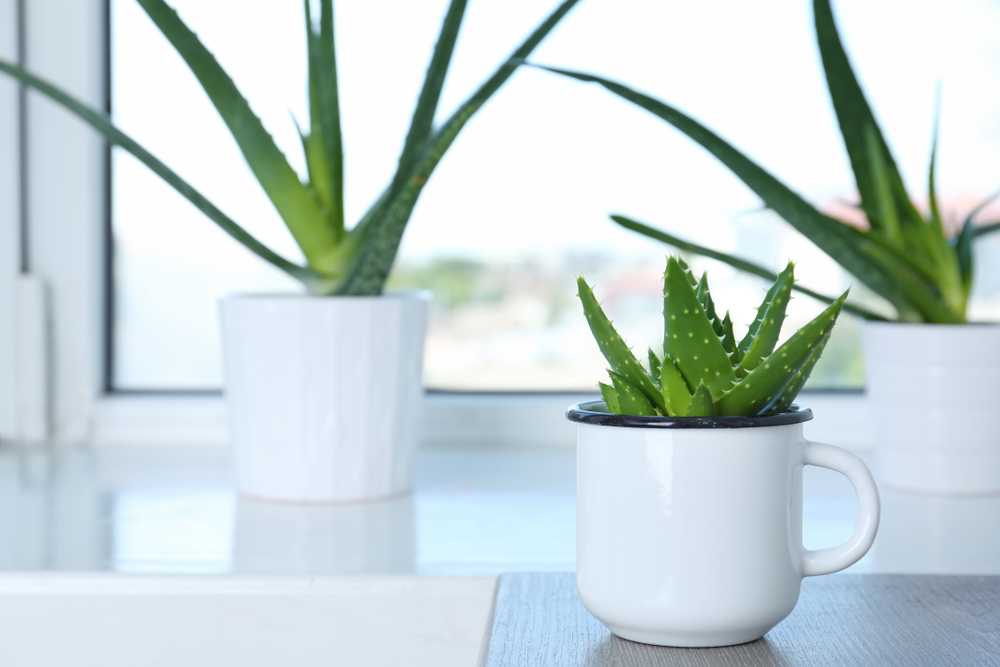
If you’re looking for something a bit tougher, meet *Aloe aristata*. This is one of the few Aloes that can handle a bit of a freeze, surviving temperatures down to about 20°F (-7°C). It’s a beautiful evergreen succulent with white-spotted leaves that grow in a tight rosette. Unlike the standard Aloe Vera, it doesn’t have sharp thorns, though the leaf edges do have tiny “teeth.”
Wintering Outdoors
*Aloe aristata* can survive a quick cold snap as long as the soil stays dry. The real enemy here isn’t just the cold—it’s the wet winter slush. If the roots get too soggy from snow or rain, the plant won’t make it. To keep it happy outside, I recommend keeping it in a pot. You can wrap the pot in bubble wrap or heavy garden fleece and set it on a piece of Styrofoam or a thick wooden board to insulate the roots from the frozen ground. Just make sure to tuck it into a corner where it’s shielded from the wind and rain!